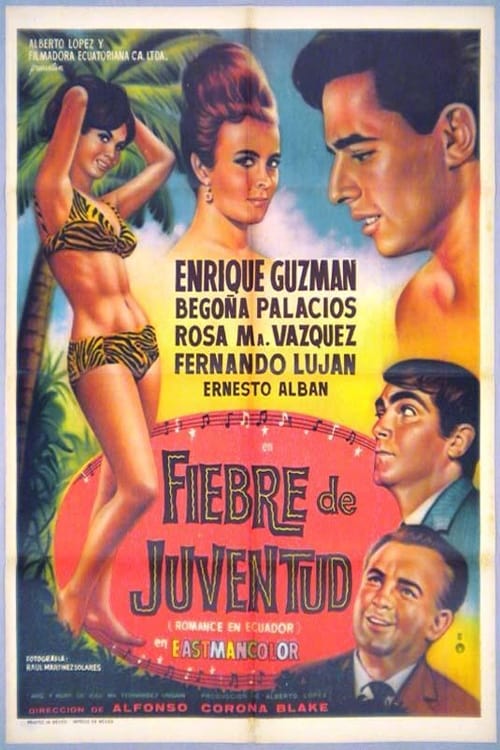
Fiebre de juventud
1966
No user ratings available yet
Representation score: 3.0 out of 10
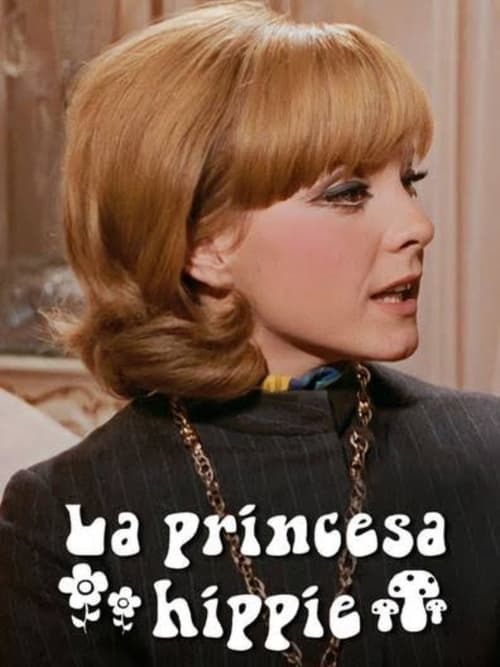
Representation Score
Fair
1969
Director
Miguel Morayta
Runtime
96 minutes
Average Rating
No ratings yetNew Showbiz Analysis
La princesa hippie uses the classic 'separated twins' device to explore the tension between traditional monarchy and the hippie movement. Its strength lies in using comedy to connect high-society royalty with the working-class life in Mexico City. While the film presents a meaningful Latin American perspective by avoiding Anglo-centric themes, it remains limited in exploring identity. The focus on class and counterculture overshadows more nuanced representations of gender roles or sexual orientation. Overall, the film serves as a social commentary on the clash between established social orders and emerging global movements, though it stays within the realm of light-hearted social comedy.
Category Breakdown
The film doesn't show any clear LGBTQ+ identities or same-sex relationships. It uses the separated twins cliché, which usually highlights class differences rather than sexual orientation.
A female character leads the story, contrasting a monarch with a working-class figure. This setup hints at challenging traditional royal hierarchies through a woman's perspective.
Set in Mexico City, the film offers a strong non-Western viewpoint. By focusing on Latin American economic realities, it steers clear of typical Anglo-centric storylines.
The title implies a connection to the 1960s counterculture and the hippie movement. This likely critiques traditional institutions and rigid class systems through humor.
There is no evidence regarding the depiction of physical or neurodivergent characters. No specific details are available to support a score in this category.
Present on Screen
Limited or Absent
Official Synopsis
Twins separated at birth; one grows up to inherit the crown of San Marciano, and the other works in a pawnshop in Mexico City.
1966
1966
1966
1966
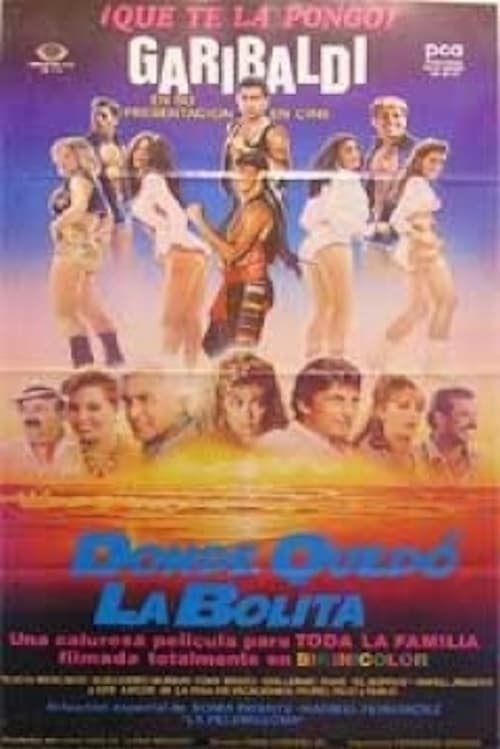
1993
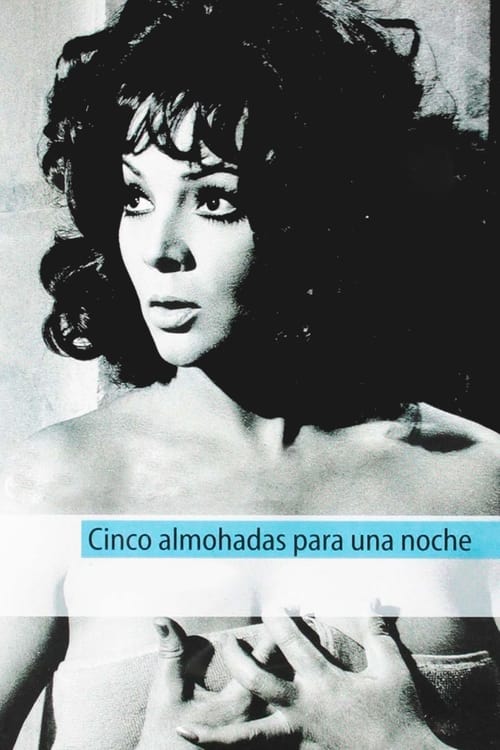
1974
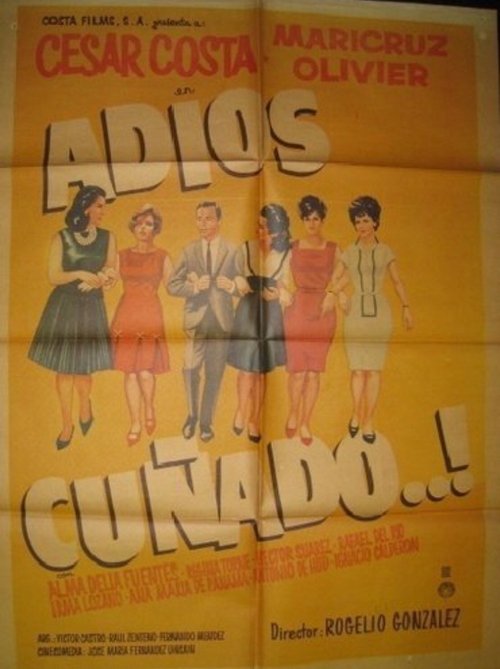
1967
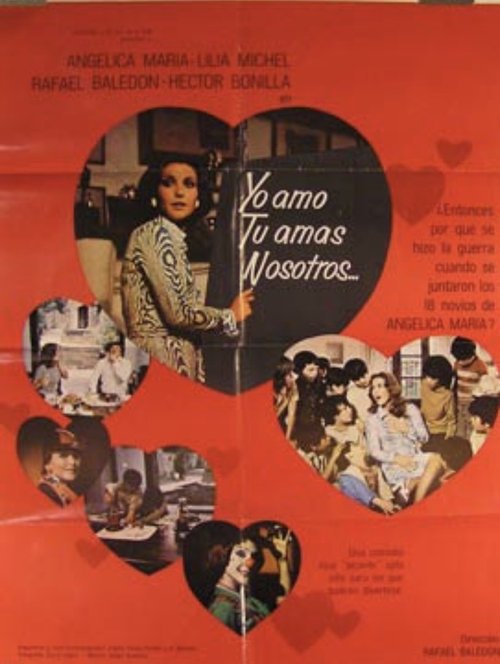
1975
No reviews yet. Be the first to share your thoughts on this movie!
Use the rating form above to leave a star rating and optional review.