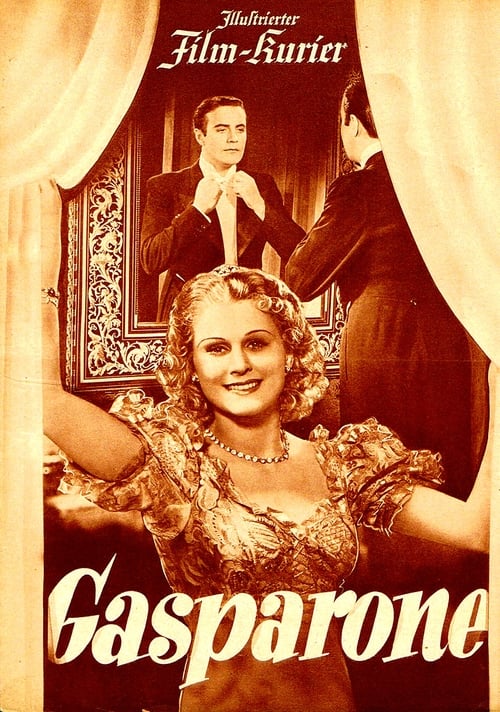
Gasparone
1937
No user ratings available yet
Representation score: 2.0 out of 10
Representation Score
Limited
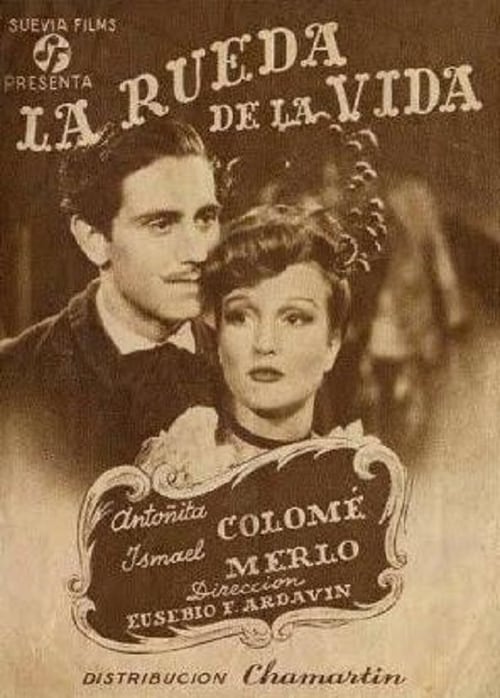
1942
Director
Eusebio Fernández Ardavín
Average Rating
No ratings yetNew Showbiz Analysis
La rueda de la vida is a product of its time, serving as a musical comedy that reflects the socio-political climate of 1942 Spain. The film relies heavily on the era's established conventions, offering little in the way of progressive or subversive themes. Representation across the board is limited by the period's strict social norms. The cast and narrative structure favor a homogeneous, Western-centric viewpoint that reinforces traditional morality and gender roles rather than challenging them. Ultimately, the film serves as a cultural artifact of mid-20th-century Spanish cinema, prioritizing commercial viability and social cohesion over diverse representation.
Category Breakdown
The film does not depict any non-straight identities or same-sex relationships. It follows the strict heterosexual norms expected during that time in Spain.
Female characters play important roles but tend to follow traditional stereotypes. Women do not significantly challenge patriarchal structures or have much control over their own destinies.
The film features a predominantly white cast, which is typical for Spanish cinema from that era. There is no indication of diverse ethnic representation.
The movie upholds traditional Western values and social harmony from the 1940s. It does not question or critique religious or institutional norms.
The film does not include characters with visible or invisible disabilities. There are no neurodivergent or physically disabled characters influencing the storyline.
Present on Screen
Limited or Absent
1937
1966
1941
1939
1936
1993
1960
1966
No reviews yet. Be the first to share your thoughts on this movie!
Use the rating form above to leave a star rating and optional review.