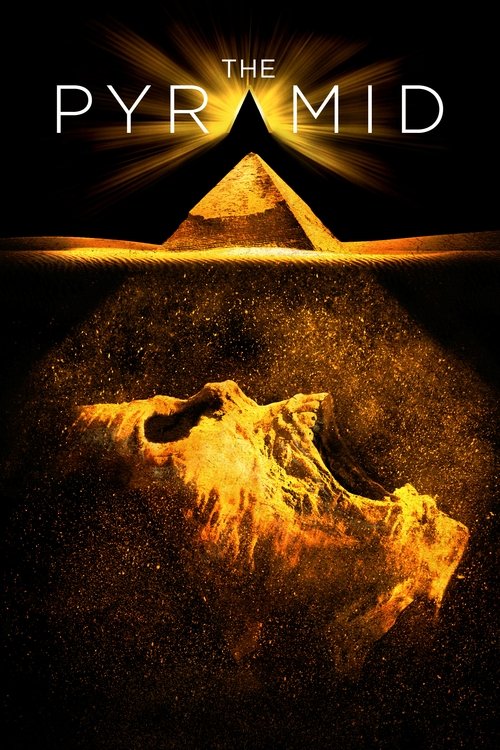
The Pyramid
2014
No user ratings available yet
Representation score: 3.6 out of 10

Representation Score
Limited
2017
TV-MADirector
Michael Barrett
Runtime
78 minutes
Average Rating
No ratings yetNew Showbiz Analysis
Temple is a typical survival horror film centered around Western characters. Its narrative structure relies heavily on genre conventions, limiting opportunities for more complex storytelling or challenging social norms. The film's perspective is expeditionary, seeing the Japanese setting as a place of mystery and danger. This often results in the local culture being viewed as an obstacle rather than a subject to be understood. Overall, Temple adheres to a conventional genre format without making efforts to subvert social norms or incorporate diverse identities.
Category Breakdown
The film features a typical group of American tourists. There are no characters with non-conventional gender identities or LGBTQ+ storylines.
The plot revolves around traditional gender roles and adventure. It does not challenge male dominance or highlight female intelligence.
The story sets the action in Japan but views it through a Western perspective. This can make the Japanese characters seem less like individuals and more like part of an exotic setting.
The film presents Japanese spirituality as a threat to the Western characters. This approach emphasizes a Western viewpoint of discovery over understanding Japanese religious traditions.
The movie does not include any characters with visible or invisible disabilities.
Present on Screen
Limited or Absent
Official Synopsis
Three American tourists follow a mysterious map deep into the jungles of Japan searching for an ancient temple. When spirits entrap them, their adventure quickly becomes a horrific nightmare.
2014
2019
2017
2000
2008

2016

2018
2014
No reviews yet. Be the first to share your thoughts on this movie!
Use the rating form above to leave a star rating and optional review.