Exists
2014
No user ratings available yet
Representation score: 1.9 out of 10
Representation Score
Limited
2014
RDirector
Alastair Orr
Runtime
86 minutes
Average Rating
No ratings yetNew Showbiz Analysis
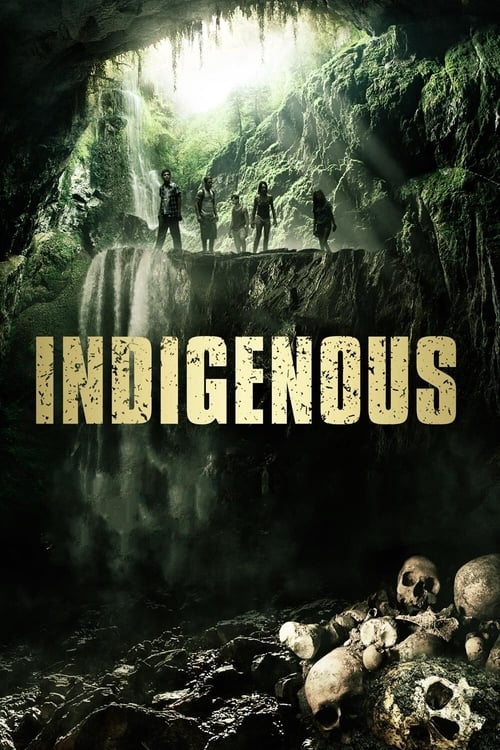
Indigenous is a survival horror film that relies on the 'fish out of water' cliché. While it successfully shifts the setting away from Western landscapes by using Panamanian geography and folklore, the narrative remains focused on the perspective of American travelers. The film incorporates local mythology, such as the Chupacabra, but treats these elements as obstacles for the protagonists rather than deep explorations of cultural values. This results in a traditional encounter between outsiders and local legends. Overall, the film lacks complexity in representing diverse identities. While it avoids a purely Western-centric setting, it does not significantly challenge traditional power structures or represent a wide range of identities beyond the central Panamanian character.
Category Breakdown
The film does not include any representation of non-binary or transgender identities. It focuses on a group of friends and a local woman without touching on LGBTQ+ themes.
A local Panamanian woman plays a key role by taking control and defying her brother's orders. However, the genders of the five American friends remain unspecified.
The film is set in Panama and includes a local woman, moving the story away from Western-centric settings. This creates a framework for interactions between Americans and locals.
The plot uses Panamanian folklore, particularly the Chupacabra legend, as a driving force. The story revolves around Western tourists encountering local myths through a cautionary tale.
The film does not feature any characters with visible or invisible disabilities. There is no representation of neurodivergent individuals.
Present on Screen
Limited or Absent
Official Synopsis
A group of five American friends on the cusp of adulthood travel to Panama to relax and reconnect. They befriend a local woman in their hotel bar—and despite some ominous whispers—she goes against the specific instructions of her brother and brings the Americans on a daytrip into the pristine falls at the nearby jungle. What begins as an innocent outing to a picturesque waterfall quickly turns terrifying after she suddenly goes missing. As night closes in, the friends realize too late the truth behind the rumors—the legendary, blood-sucking Chupacabra is now stalking them.
2014
2006
2008
2013
2014
2014
2014
2010
No reviews yet. Be the first to share your thoughts on this movie!
Use the rating form above to leave a star rating and optional review.