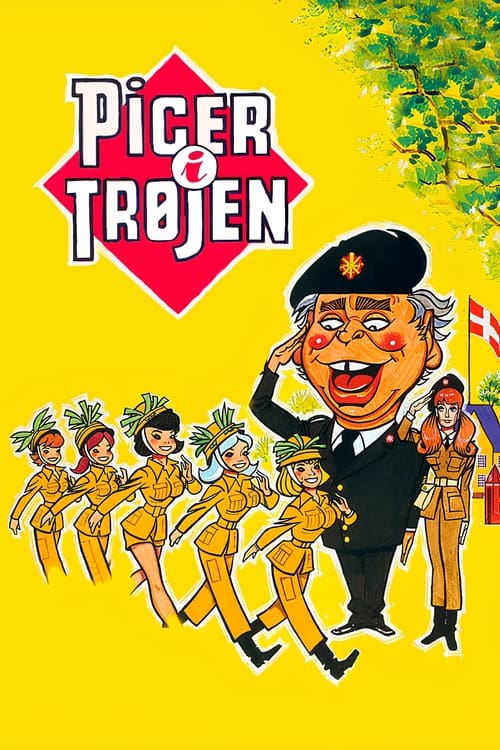
Girls at Arms
1975
No user ratings available yet
Representation score: 3.7 out of 10

Representation Score
Fair
1976
Director
Finn Henriksen
Runtime
101 minutes
Average Rating
No ratings yetNew Showbiz Analysis
Girls at Arms 2 is a situational comedy that finds humor in the breakdown of traditional gender and professional hierarchies. Its main strength is the reversal of gender roles, particularly through Merete's military rank, which challenges the traditional male leader stereotype. However, the film is limited by its homogeneous demographic makeup typical of its 1976 production era. It lacks visible LGBTQ+ representation and a diverse cast, focusing instead on a narrow, localized European setting. Overall, while the film cleverly critiques gender dynamics, it remains a product of its time concerning broader diversity.
Category Breakdown
The film doesn't show any LGBTQ+ identities or relationships that aren't between straight couples. The main focus is on the marriage between Hermann and Merete.
The story turns traditional gender roles upside down by giving Merete a lieutenant position with professional authority. This contrasts with her husband's old-fashioned views, creating a humorous look at how men typically see themselves as leaders.
The film seems to take place in a specific part of Europe and doesn't include a diverse cast or address issues related to race and ethnicity.
The movie uses irony to criticize traditional ideas of masculinity. While NATO provides a political background, the setting mainly serves to highlight personal comedy.
The film doesn't mention any characters with physical disabilities, neurodiversity, or mental health issues.
Present on Screen
Limited or Absent
Official Synopsis
Hermann works at NATO headquarters in Brussels and is only home on weekends. He is quite a male chauvinist. That is why his wife Merete has not told him that she has pursued a career in the army and become a lieutenant. In Merete's regiment, Senior Sergeant Vasby suspects her of being a spy because of her "mysterious" conversations with NATO. This develops into an amusing spy hunt, and many people get involved. When Hermann is called up again, he "forgets" to tell his wife.
1975
1965
1967

1979
1960
1977

1956
1952
No reviews yet. Be the first to share your thoughts on this movie!
Use the rating form above to leave a star rating and optional review.