Robert Doisneau: Through the Lens
2017
No user ratings available yet
Representation score: 3.7 out of 10
Representation Score
Excellent
1989
Director
John Walker
Runtime
81 minutes
Average Rating
No ratings yetNew Showbiz Analysis
John Walker's documentary goes beyond a simple biography to critique the ethics of the photographic gaze. It excels in its intellectual engagement with post-colonial themes and the power dynamics between the observer and the observed. The film's strength lies in its ability to highlight the ability to act of diverse subjects through Strand's own artwork. However, the film lacks depth in specific representation categories such as LGBTQ+ themes or disability narratives, remaining focused on Strand's professional and domestic history.
Category Breakdown
The film focuses on Paul Strand's career and personal life but does not include explicit narratives or themes related to LGBTQ+ identities.
Interviews with Strand’s third wife provide important female perspectives, helping to challenge the traditional 'great man' narrative by interpreting his private life.
The documentary highlights the ability to act of Strand's diverse subjects by avoiding whitewashing and focusing on the lived realities of underrepresented communities.
The film explores the tensions between the artist and societal structures, offering a nuanced look at how art operates within oppressive hierarchies.
There is no explicit representation or narratives involving physical or neurodivergent disabilities. The focus remains on socio-political and artistic dimensions.
Present on Screen
Limited or Absent
Official Synopsis
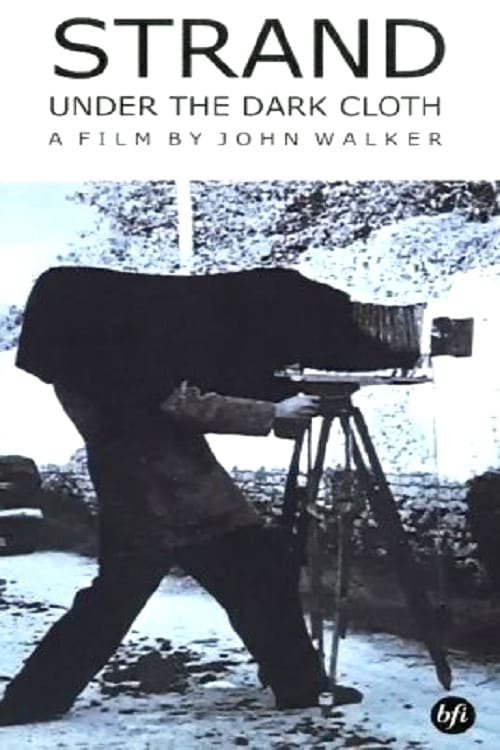
This documentary studies the life and artwork of photographer Paul Strand, using his own compelling photography as well as interviews with his friends, acquaintances and third wife. Documentarian John Walker explores the various influences Strand encountered throughout his life that helped him to develop as an artist. His personal life and relationships are examined and shed light on the inner working of this man who achieved great renown while hiding "under the dark cloth."
2017
2008

2022

2014
2015
2017
1994
1995
No reviews yet. Be the first to share your thoughts on this movie!
Use the rating form above to leave a star rating and optional review.