Annie Leibovitz: Life Through a Lens
2007
No user ratings available yet
Representation score: 7.8 out of 10
Representation Score
Limited
2017
Director
Clémentine Deroudille
Runtime
83 minutes
Average Rating
No ratings yetNew Showbiz Analysis
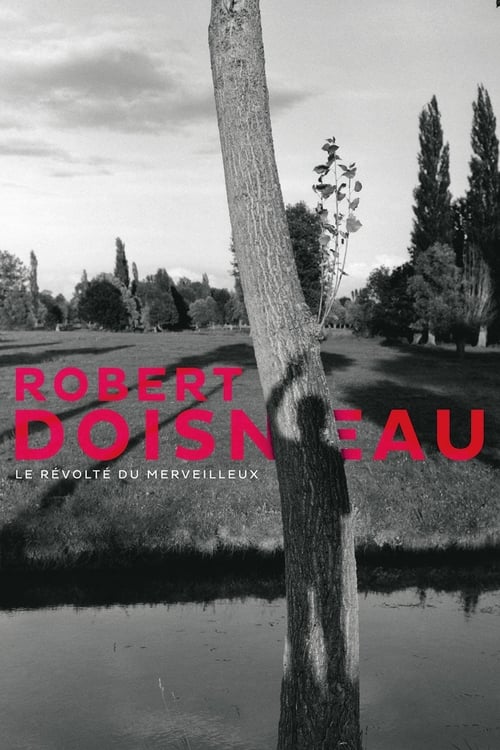
This documentary preserves the historical and aesthetic legacy of Robert Doisneau. Its strength lies in its socioeconomic empathy, elevating the working-class subject to a position of artistic importance. It successfully captures the humanist spirit of mid-century Paris. However, the film remains tied to its historical context. It does not incorporate modern frameworks that consider multiple aspects of identity. The representation of gender and race reflects the era's homogeneity rather than challenging it. Ultimately, the film is a study of a specific time and place. While it provides a deep look at class-based humanism, it lacks intentional diversity in terms of modern identity representation.
Category Breakdown
The film follows a traditional biographical approach without focusing on queer identities. It explores personal connections but doesn't delve deeply into LGBTQ themes or subtext.
The documentary looks at the gendered perspective in Doisneau's photography. Women are shown through a lens of romanticized femininity and traditional domestic roles typical of post-war France.
The visual archive highlights the relatively homogeneous demographic of mid-20th century Paris. It focuses on the city's working class rather than showcasing a diverse racial makeup.
The film celebrates a humanist viewpoint by highlighting the dignity of the working class. It critiques class hierarchies through the 'poetry of the everyday.'
There is no significant portrayal of visible or invisible disabilities. Disability is not used as a central narrative element.
Present on Screen
Limited or Absent
Official Synopsis
Featuring previously unissued photographs and video archives as well as interviews of his friends and partners in crime, this documentary tells how the kid from the poor suburbs turned superstar photographer. It draws the intimate portrait of the life and work – being so closely interwoven – of and artist fiercely determined to be purveyor of happiness.
2007
2014
2014
2008

2015
2017
1989
2018
No reviews yet. Be the first to share your thoughts on this movie!
Use the rating form above to leave a star rating and optional review.