
El rediezcubrimiento de México
1979
No user ratings available yet
Representation score: 3.0 out of 10
Representation Score
Good
1993
Director
María Elena Velasco
Runtime
100 minutes
Average Rating
No ratings yetNew Showbiz Analysis
The film stands out for its centering of an indigenous woman, India María, within a mainstream comedic framework. This choice provides high ability to act to a historically underrepresented demographic, making ethnic identity the core of the social dynamics. While the film excels in racial and ethnic representation, it lacks diversity in other areas. There is no evidence of LGBTQ+ inclusion or disability representation, which limits the overall score. Ultimately, the work succeeds by subverting traditional gender roles and challenging dominant social hierarchies through its protagonist's struggle against criminal elements.
Category Breakdown
The film does not include explicit LGBTQ+ characters or stories that go beyond the assumption that everyone is straight or cisgender. It maintains a neutral stance typical of mainstream Mexican comedy from this era.
The story centers a female protagonist who plays a significant role in driving the narrative. She navigates criminal pursuits using wit and survival instincts, disrupting traditional hierarchies.
The film provides significant ethnic representation by centering an indigenous protagonist. This challenges Eurocentric storytelling by making her identity the central driver of the narrative.
The narrative emphasizes anti-establishment themes and individual resourcefulness. It often portrays traditional social or legal institutions as insufficient or corrupt.
There is no evidence regarding the portrayal of physical or neurodivergent disabilities in the available synopsis.
Present on Screen
Limited or Absent
Official Synopsis
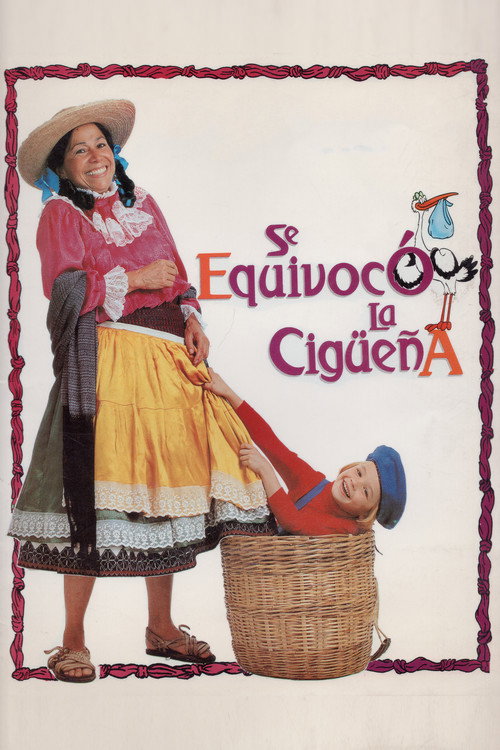
India María raises a kidnapped newborn and is pursued by criminals who want the boy.
1979

1982

1967

1969

1942
1972

2011

1992
No reviews yet. Be the first to share your thoughts on this movie!
Use the rating form above to leave a star rating and optional review.