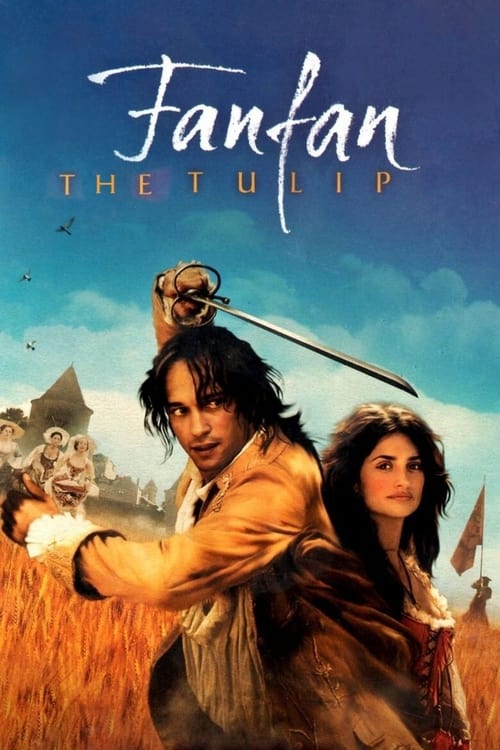
Fan-Fan the Tulip
2003
No user ratings available yet
Representation score: 2.8 out of 10
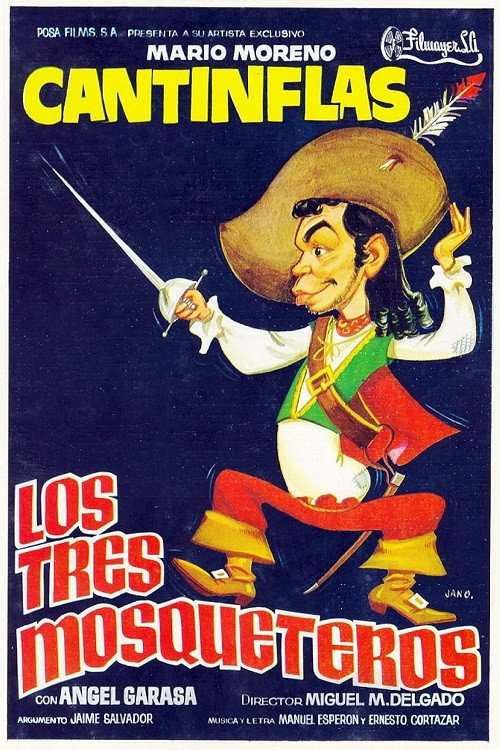
Representation Score
Fair
1942
Director
Miguel M. Delgado
Runtime
136 minutes
Average Rating
No ratings yetNew Showbiz Analysis
The film's strength lies in its cultural subversion, using a Mexican comedic lens to reclaim a Western European classic. By centering Cantinflas, the production disrupts the Eurocentric monopoly on the Musketeer legend. However, the film remains constrained by the era's social norms. Gender roles are largely traditional, with female characters serving as catalysts rather than primary agents of the plot. Ultimately, the work functions as a class-conscious comedy. It uses the 'peladito' archetype to challenge high-society clichés through the perspective of the urban underdog.
Category Breakdown
The film adheres to traditional romantic and social structures typical of 1942 cinema. There is no depiction of non-straight relationships or same-sex intimacy.
The male protagonists play key roles, while Cantinflas disrupts the serious hero stereotype with humor. An actress serves as a plot catalyst, but traditional gender roles remain.
The film places a Mexican icon within a European literary mythos, asserting a Latin American presence in a traditionally Eurocentric setting.
The story contrasts working-class extras with the elite through a dream sequence, critiquing high-society artifice and rigid social hierarchies.
There is no evidence of physical or neurodivergent disabilities being portrayed in this production.
Present on Screen
Limited or Absent
Official Synopsis
Cantinflas and three friends return a stolen necklace to an actress who invites them to be extras at Clasa studios. While on the set, he falls asleep and dreams that he is d'Artagnan, fighting on behalf of Queen Anne.
2003
1952
1954
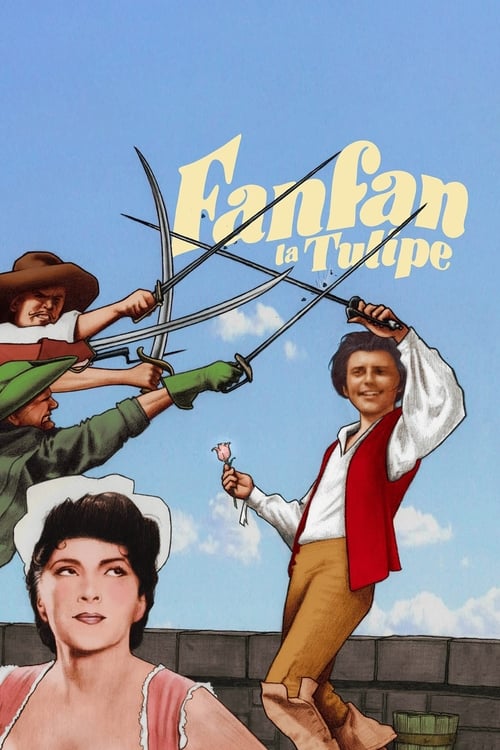
1952
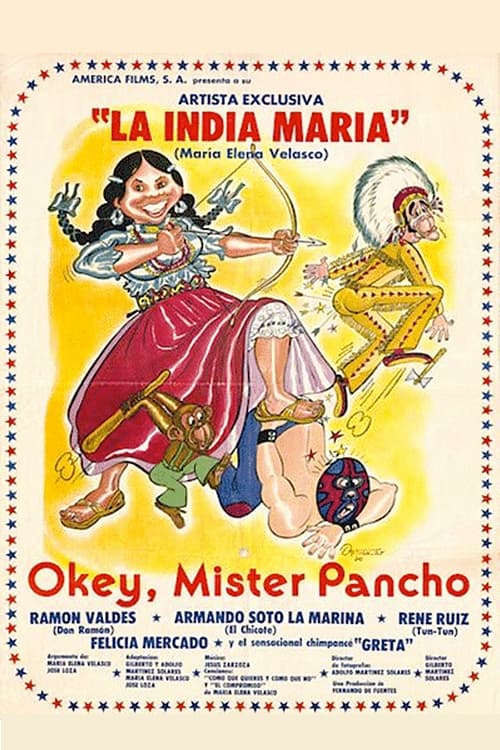
1981
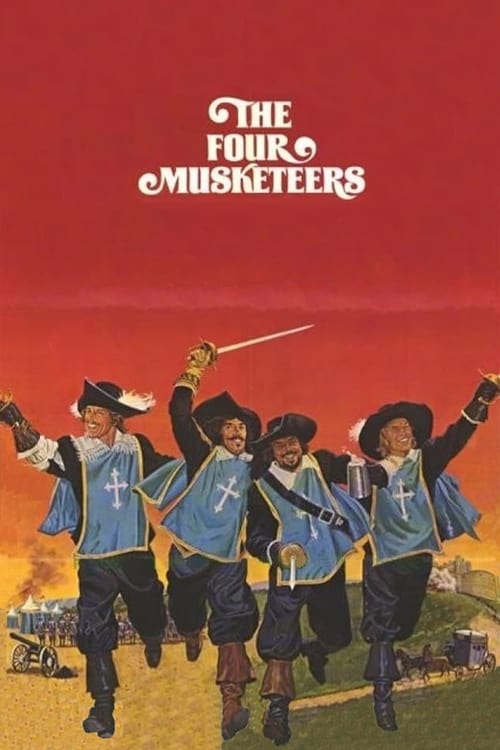
1974

2018
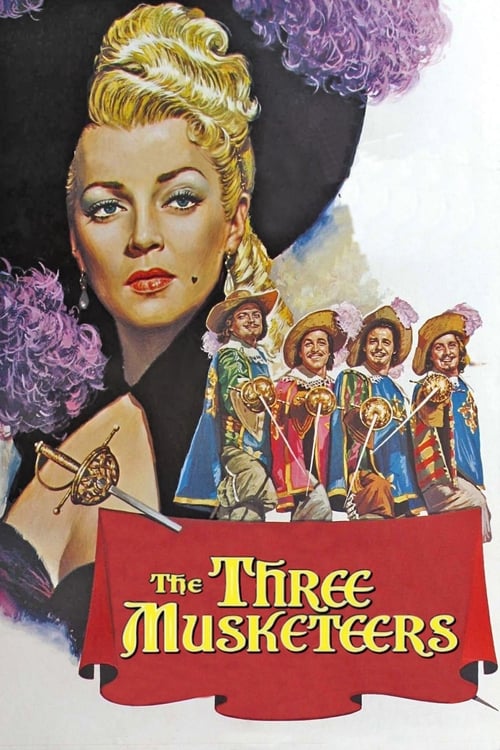
1948
No reviews yet. Be the first to share your thoughts on this movie!
Use the rating form above to leave a star rating and optional review.