
I Loved You Wednesday
1933
No user ratings available yet
Representation score: 1.4 out of 10
Representation Score
Minimal
1938
ApprovedDirector
Joshua Logan, Arthur Ripley
Runtime
77 minutes
Average Rating
No ratings yetNew Showbiz Analysis
The film reflects the demographic homogeneity and social hierarchies of 1930s American cinema. It functions as a traditional romantic drama without a strong focus on social critique. While the film lacks diverse representation, it offers a nuanced exploration of women's ability to drive the story through Julie's decision-making. The narrative moves beyond the 'happily ever after' cliché by showing the realities of an unhappy marriage. Ultimately, the story adheres to the social norms of the time, focusing on conventional romantic timelines and traditional Western values.
Category Breakdown
The film centers on heterosexual relationships, with the main conflict revolving around the protagonist's marriage and her relationship with a male ex-lover.
Julie Weir drives the plot with her impulsive decisions and widowhood. The story challenges typical clichés by delving into her decade of unhappiness and complex reunion.
The setting and cast reflect the homogeneous social structures of 1930s Vermont. There is no evidence of racial blending or significant non-white character's ability to drive the story in the narrative.
The film operates within a traditional Western framework focused on domesticity and marriage. It highlights personal responsibility without critiquing Western institutions or religious structures.
There are no characters with visible or invisible disabilities in the narrative.
Present on Screen
Limited or Absent
Official Synopsis
In Vermont, college student Ives Towner refuses to marry his longtime girlfriend, Julie Weir, until he has a career. Soon after, Julie meets and grows infatuated with handsome writer Michael Shaw, and they marry and move to Paris. Years later, Julie moves back home to live with her aunt and finds Ives again.
1933
1939
1940

1971

1950
1952
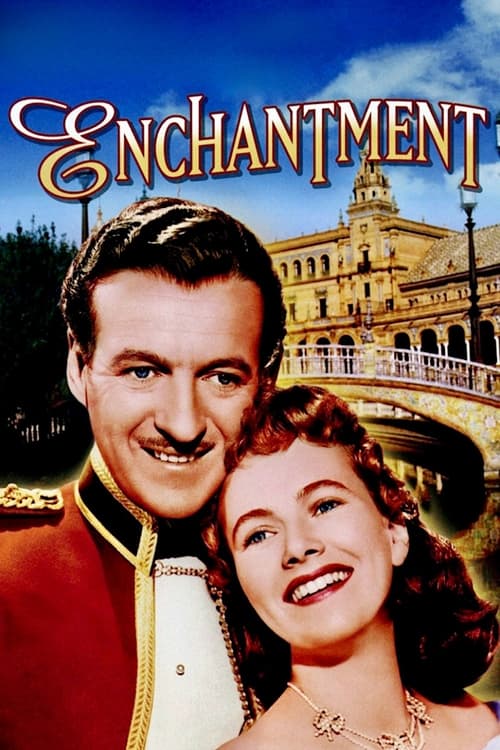
1948

1951
No reviews yet. Be the first to share your thoughts on this movie!
Use the rating form above to leave a star rating and optional review.