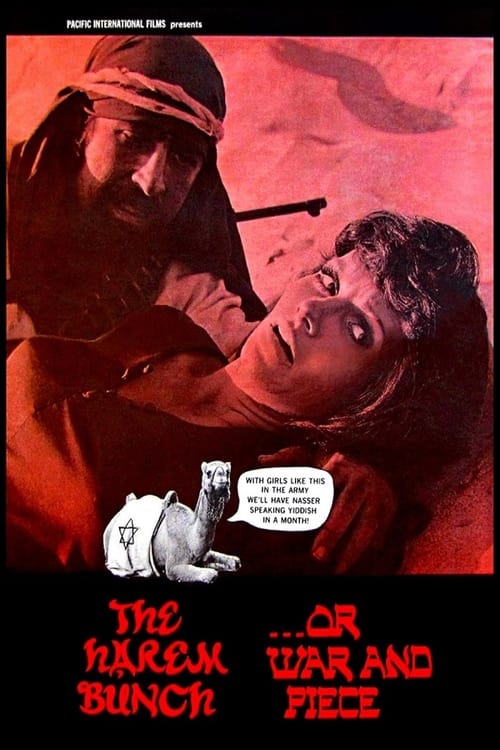
The Harem Bunch
1969
No user ratings available yet
Representation score: 2.2 out of 10

Representation Score
Limited
1973
PGDirector
Georges Lautner
Runtime
100 minutes
Average Rating
No ratings yetNew Showbiz Analysis
Man in the Trunk is a traditional dark comedy that relies heavily on mid-century clichés. The narrative structure prioritizes existential farce over disrupting social hierarchies, resulting in a lack of layered representation. The film's focus remains narrow, centering on a male protagonist's psychological state and domestic conflicts. This focus limits the opportunity for diverse perspectives or meaningful representation of underrepresented groups. Ultimately, the work functions as a genre-driven comedy of errors. It operates within established conventions rather than attempting to provide social critique or inclusive character development.
Category Breakdown
The film does not include any characters with non-binary gender identities. The story focuses solely on a crisis that does not involve LGBTQ+ themes.
The story centers around a male-driven crisis triggered by domestic issues. Female characters mainly serve as plot catalysts rather than having independent roles.
The cast appears predominantly white, reflecting a traditional Western social fabric. There is no evidence of diverse racial representation or non-white majority casting.
The film uses dark humor to explore nihilism and absurdity. It does not prioritize specific secular or anti-capitalist critiques as central narrative elements.
The protagonist's suicidal ideation serves as a vehicle for absurdist humor. This approach lacks a nuanced exploration of mental health or neurodivergence.
Present on Screen
Limited or Absent
Official Synopsis
Bloch, an Israeli secret agent, seeks refuge in the French embassy in Libya to escape being killed. Augier, his French opposite number, has to get him to safety in a diplomatic suitcase.
1969

1974
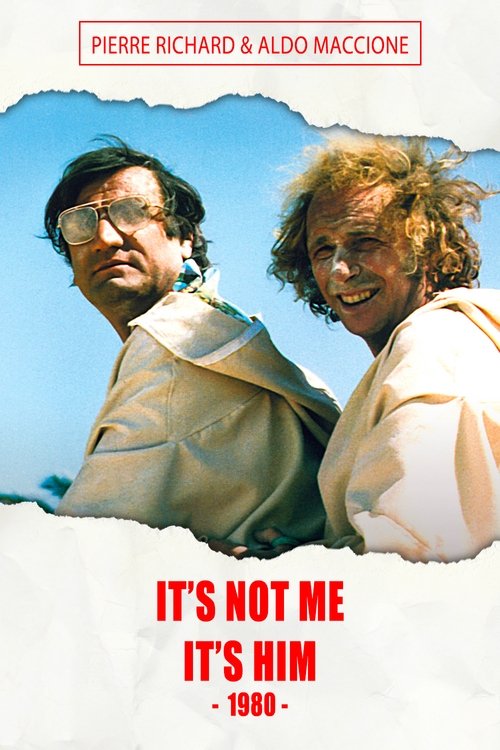
1980

1966

1989

1964
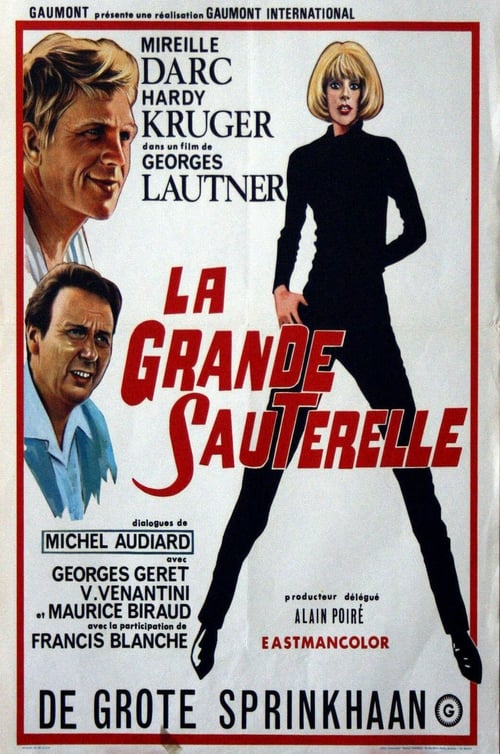
1967

1980
No reviews yet. Be the first to share your thoughts on this movie!
Use the rating form above to leave a star rating and optional review.