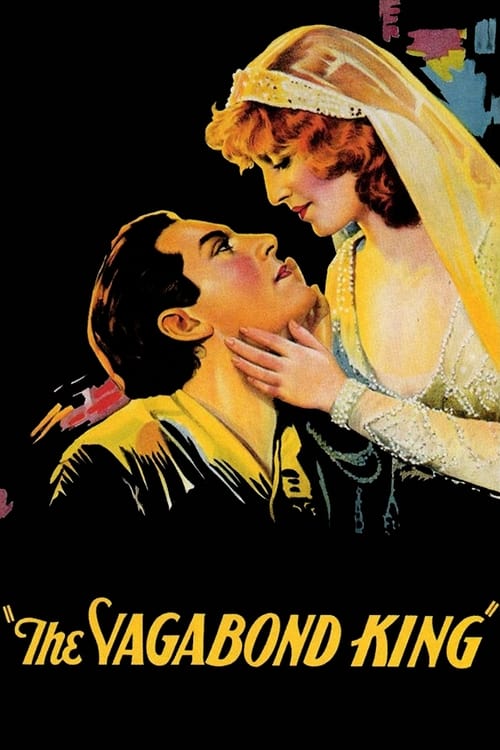
The Vagabond King
1930
No user ratings available yet
Representation score: 1.1 out of 10
Representation Score
Minimal
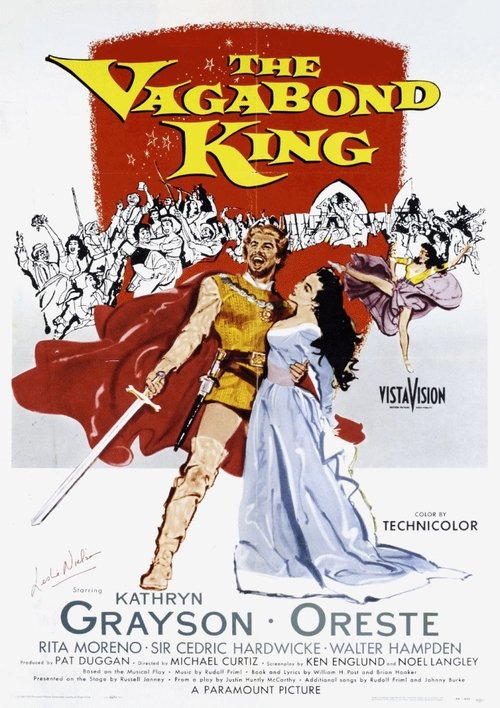
1956
ApprovedDirector
Michael Curtiz
Runtime
86 minutes
Average Rating
No ratings yetNew Showbiz Analysis
The Vagabond King functions as a traditional mid-century musical that prioritizes romantic escapism over social critique. It adheres to the established hierarchies of its era, focusing on a Eurocentric historical struggle through a singular demographic lens. While the film touches on class tensions through its outlaw versus aristocracy motif, it treats these themes with swashbuckling charm rather than critical depth. The narrative structure reinforces conventional gender roles and lacks characters who reflect more than one aspect of diversity. Ultimately, the film serves as a historical snapshot of classical Hollywood storytelling, maintaining the social and narrative constraints typical of 1950s cinema.
Category Breakdown
The film follows a strictly heterosexual storyline, focusing on the romance between François Villon and Princess Genevieve. There is no representation of same-sex relationships.
The narrative centers on male characters such as Villon and Louis XI. While Princess Genevieve holds high social status, her role is primarily defined as the romantic interest.
The cast is entirely European and lacks diverse ethnic representation. Reflecting its 1956 production, the film does not feature actors from different cultural backgrounds.
The film explores the socioeconomic divide between aristocrats and vagabonds. However, it romanticizes the outlaw lifestyle without critically examining the underlying class structures.
There are no visible or invisible disabilities portrayed. The film does not include neurodivergent or physically disabled characters within its main storylines.
Present on Screen
Limited or Absent
Official Synopsis
Louis XI of France drafts Paris's popular "king" of criminals as Provost Marshal in his fight against usurper Charles of Burgundy and the traitorous nobles who rally around him.
1930
1935
1936
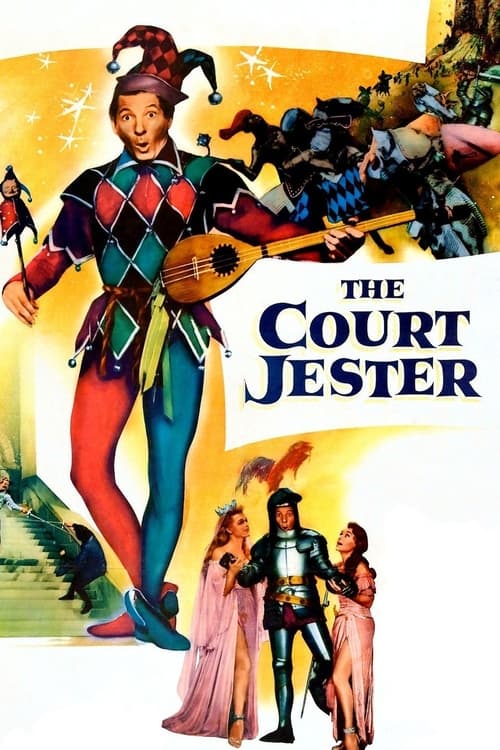
1955
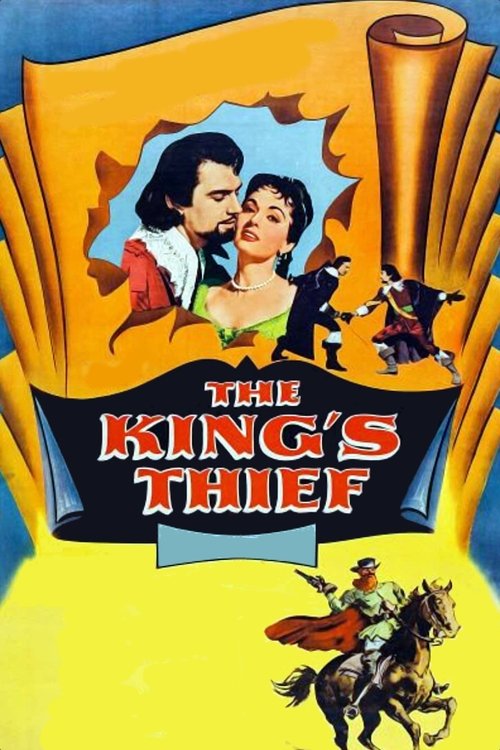
1955
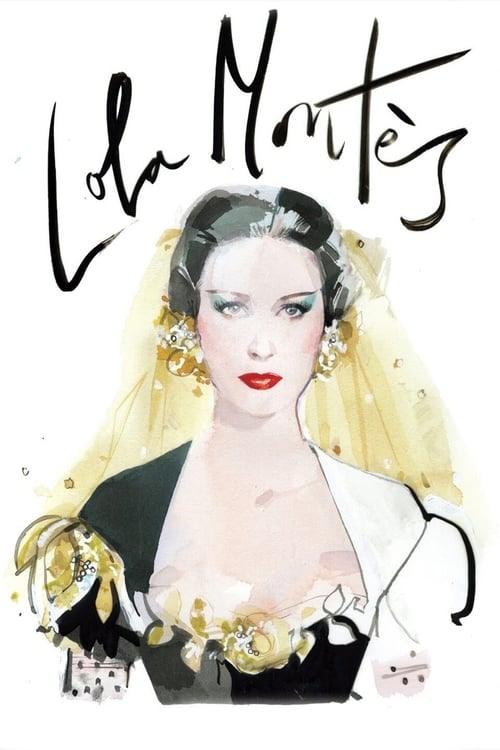
1955
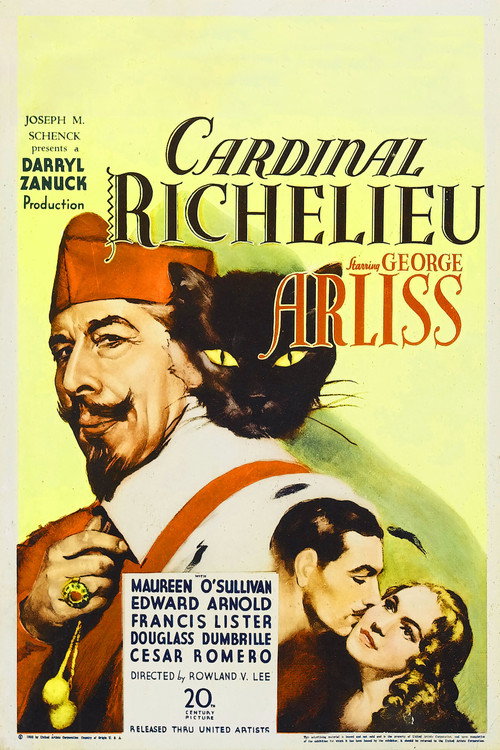
1935
1952
No reviews yet. Be the first to share your thoughts on this movie!
Use the rating form above to leave a star rating and optional review.