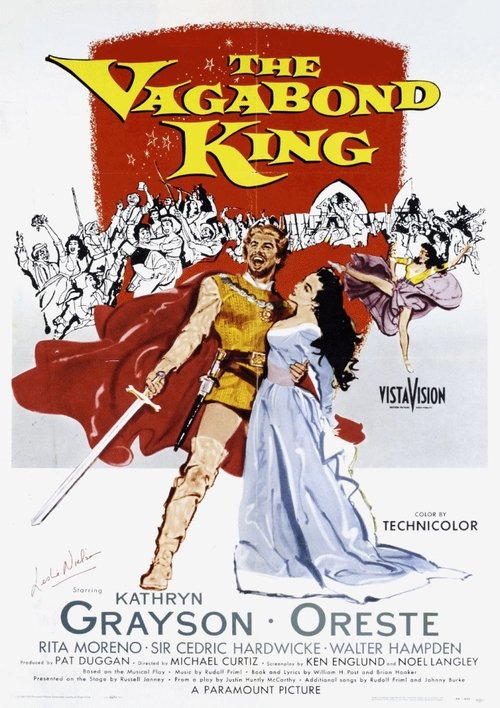
The Vagabond King
1956
No user ratings available yet
Diversity score: 2.6 out of 10
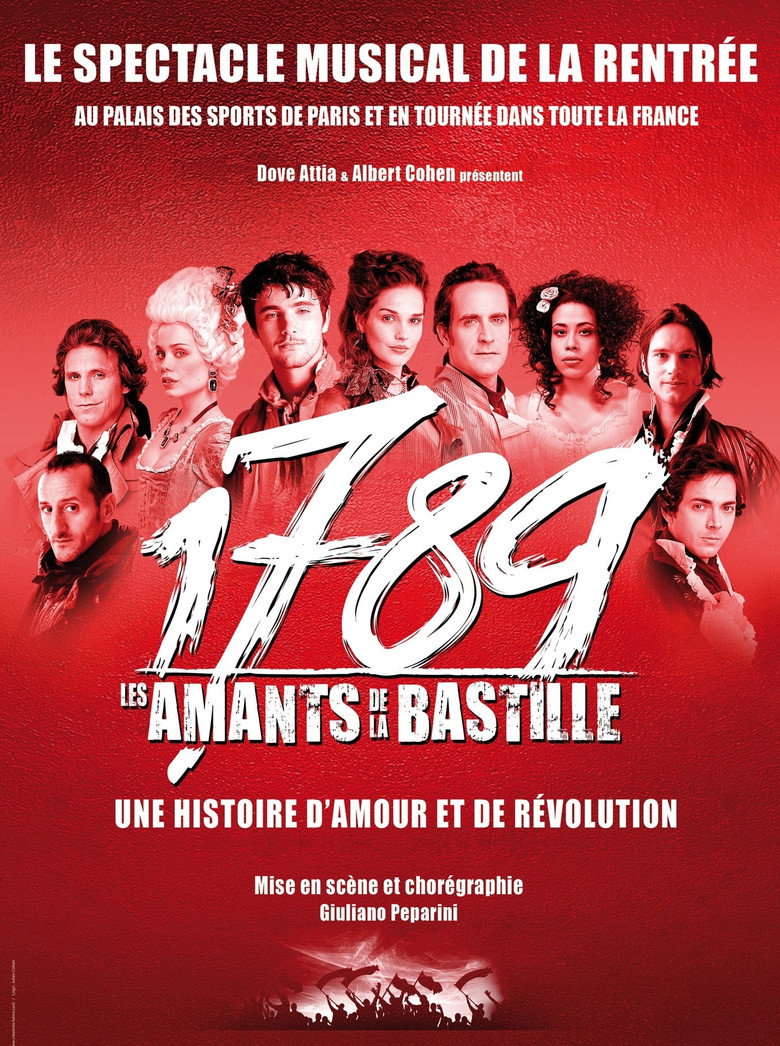
2014
Director
Myron Jung
Runtime
129 minutes
Average Rating
No ratings yetSynopsis
In the spring of 1789, France is devastated by famine. The French people begin to rise in unrest against the ruling French king Louis XVI. Ronan, a young peasant, leads a revolt marching to Paris, where he encounters Olympe, an assistant governess of the children of Marie Antoinette of Austria. The two fall in love during the tumultuous stirrings of the French Revolution, their romance playing out amid encounters with major Revolutionary figures such as Georges Jacques Danton, Maximilien de Robespierre and Camille Desmoulins. After they are separated, Ronan and Olympe find each other again on 14 July 1789 in the course of the assault on the Bastille prison— an encounter that seals their destiny even as a new era begins.
Overall Score
Fair
Category Breakdown
LGBTQ+ Representation
The narrative centers on a traditional heterosexual romance between Ronan and Olympe. There is no evidence of non-cisnormative identities or same-sex intimacy within the story.
Gender Representation
The film balances revolutionary agency with period-accurate social constraints. While Ronan leads a revolt, Olympe occupies a service-oriented role as an assistant governess.
Racial & Ethnic Diversity
Set during the French Revolution, the film focuses on a largely homogeneous European cast. The narrative emphasizes class struggle rather than racial or ethnic diversity.
Religious & Cultural Diversity
The story offers a strong critique of absolute monarchy and class hierarchy. It frames the dismantling of established power structures as a necessary social evolution.
Disability Representation
The available information contains no mention of characters with physical, sensory, or neurodivergent disabilities.
Strengths
Areas for Improvement
AI Analysis
The film is a historical romance that prioritizes class-based conflict over modern intersectional markers. It succeeds in depicting the systemic upheaval of the French Revolution, focusing on the tension between the monarchy and the rising peasantry. However, the representation remains limited by the historical setting. The narrative follows traditional romantic tropes and lacks visible LGBTQ+ or significant racial diversity, adhering closely to the demographic realities of 18th-century France. Ultimately, the film's strength lies in its engagement with anti-establishment themes rather than diverse identity representation.
No reviews yet. Be the first to share your thoughts on this movie!
Use the rating form above to leave a star rating and optional review.