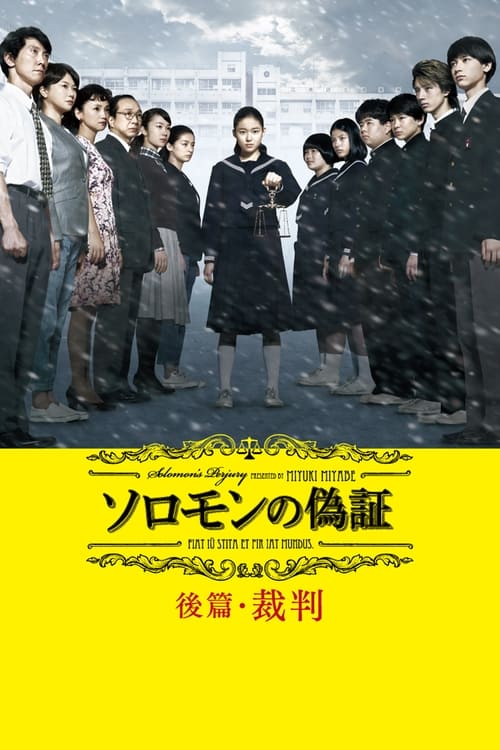
Solomon's Perjury 2: Judgment
2015
No user ratings available yet
Representation score: 4.7 out of 10
Representation Score
Good
2015
Director
Izuru Narushima
Runtime
121 minutes
Average Rating
No ratings yetNew Showbiz Analysis
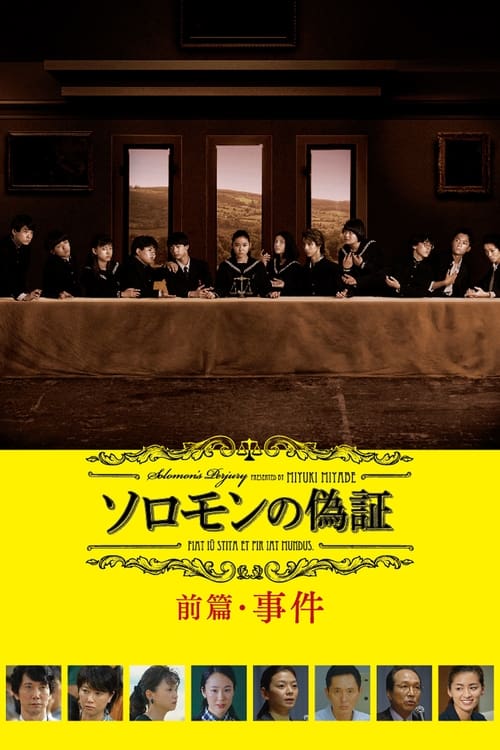
Solomon's Perjury 1: Suspicion is a sophisticated psychological thriller that emphasizes systemic critique over demographic diversity. It empowers underrepresented youth to challenge established social orders and institutional corruption. The film's strength lies in its deconstruction of authority and its portrayal of moral relativism. It goes beyond typical coming-of-age stories to explore how institutions handle uncomfortable truths. However, the narrative lacks explicit representation of LGBTQ+ identities or non-straight-centered character arcs. While it explores social outsiders, these characters are not defined through specific queer or diverse ethnic lenses.
Category Breakdown
The film examines the social hierarchy among adolescents without explicitly addressing LGBTQ+ identities. It highlights the exclusion faced by certain students but does not delve into non-straight relationships or same-sex intimacy.
Female characters play significant roles in driving the investigation and possess strong intellectual capabilities. The narrative avoids portraying women in submissive roles, emphasizing their independence and logical abilities.
With a predominantly Japanese cast, the film reflects the social dynamics of its setting without introducing much ethnic diversity. It avoids harmful stereotypes while depicting the specific social realities of its environment.
The story critiques rigid social structures and institutionalism. It portrays school administrations and traditional concepts of order as obstacles to truth, focusing on the importance of individual freedom over institutional constraints.
The film touches on psychological trauma and the mental health impacts of bullying. These elements often serve as plot devices rather than deep explorations of neurodivergence.
Present on Screen
Limited or Absent
Official Synopsis
A group of junior high school must find out the truth of their classmate's death is he was killed by someone or committed suicide.
2015

2021

2002

2013

2020

1997

2019
2005
No reviews yet. Be the first to share your thoughts on this movie!
Use the rating form above to leave a star rating and optional review.