
The Chase
2017
No user ratings available yet
Representation score: 3.3 out of 10
Representation Score
Fair
2005
Director
Im Kyung-soo
Runtime
105 minutes
Average Rating
No ratings yetNew Showbiz Analysis
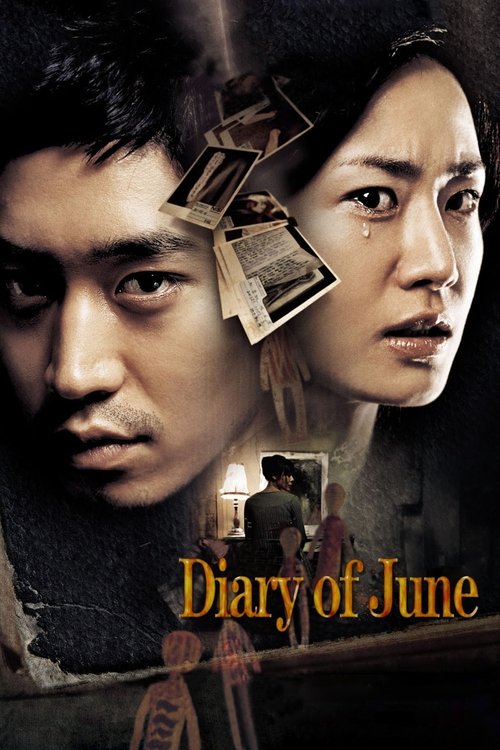
Diary of June is a thriller that emphasizes a high-stakes mystery over diverse storytelling. Its strength lies in critiquing the intense pressures of East Asian academic hierarchies, challenging the idea of traditional success. However, the film falls short in representing diverse identities. The central conflict involves male students, leaving little room for gender role subversion or LGBTQ+ visibility. Additionally, there is no representation of characters with disabilities or neurodivergence, making the film less inclusive.
Category Breakdown
The story revolves around a rivalry between two male students and does not include any characters with non-traditional gender identities or stories that question the assumption that everyone is straight or cisgender.
The plot centers on a male-dominated competition for academic ranking and does not show any significant role reversals or increased influence for female characters.
This South Korean film provides a non-Western viewpoint. However, the cast seems uniform within its cultural context.
The film criticizes the intense educational system and strict social rankings. It portrays traditional paths to success as potentially harmful or corrupt.
The story does not highlight any characters with physical disabilities, mental health issues, or neurodivergence as key elements.
Present on Screen
Limited or Absent
Official Synopsis
Two teenagers joining the same class in a high school die on the same day. The one to be top of the class is killed by a big knife on the street, the other - the second best of the class indeed - seems to be jumped from the top of the school building. Everybody believes that he first killed his classmate and than himself. But when the police finds small pill boxes into the stomachs of both kids confessing their murder two South Korean cops are torn into a new case of murder series. While they try to hunt down the serial killer, more pupils are getting killed...
2017

2011

2009

2013
2014

2010

2012
2009
No reviews yet. Be the first to share your thoughts on this movie!
Use the rating form above to leave a star rating and optional review.