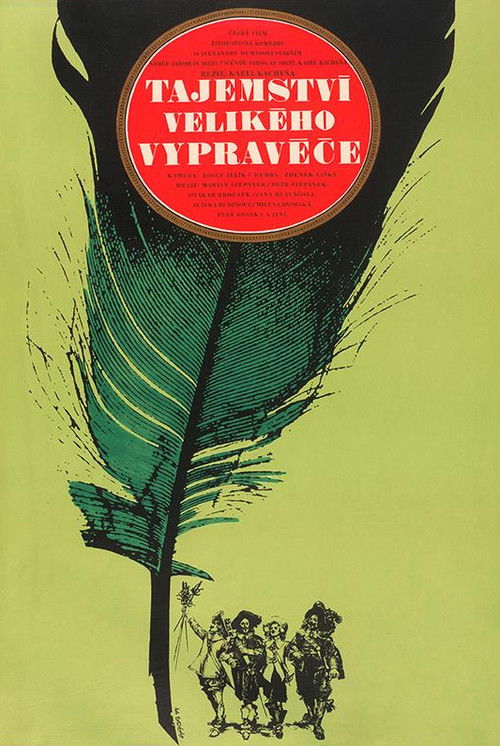
The Blond Boy from the Casbah
2023
No user ratings available yet
Representation score: 3.9 out of 10
Representation Score
Fair
1972
Director
Karel Kachyňa
Runtime
99 minutes
Average Rating
No ratings yetNew Showbiz Analysis
The film stands out as a historical drama that challenges conventional European biographical narratives. By focusing on Alexandre Dumas, a man of mixed heritage, the film questions the homogeneity often found in historical depictions. Though the film does not explicitly represent LGBTQ+ identities, its subject matter offers a critique of racial and cultural uniformity. The narrative structure leans towards traditional masculine storytelling but still explores themes of identity and legacy through a humanistic lens. Overall, the work is a character-driven biography that examines identity and legacy through a multifaceted approach.
Category Breakdown
The film does not include any explicit references to LGBTQ+ identities or same-sex relationships. It follows traditional family structures centered around the life of Alexandre Dumas, who is portrayed as straight and cisgender.
The story focuses on a male literary figure, emphasizing traditional masculine roles. However, it also delves into the complexities of family duties and legacies, offering a nuanced look at domestic life.
By highlighting Alexandre Dumas, a man of mixed Afro-French heritage, the film challenges the typical whiteness often seen in 19th-century European historical dramas. This provides a critique of racial hierarchies.
The film emphasizes the personal morality of a creative genius over strict religious doctrines. It presents a humanistic perspective on historical figures and their achievements.
There is no documented evidence regarding the portrayal of physical or neurodivergent disabilities within the film.
Present on Screen
Limited or Absent
Official Synopsis
The life of the famous French writer Alexander Dumas the Elder. Screenwriter Jaroslav Dietl did not hide his admiration for this literary giant, and in addition to the screenplay he also wrote a three-part TV play about Dumas (starring Vladimír Menšík). In Kachyn's film, Dumas played the father and son of the Štěpánková brothers, and it was a very difficult and difficult task for these young actors.
2023
2018
1956
2005
2010
1934
2010
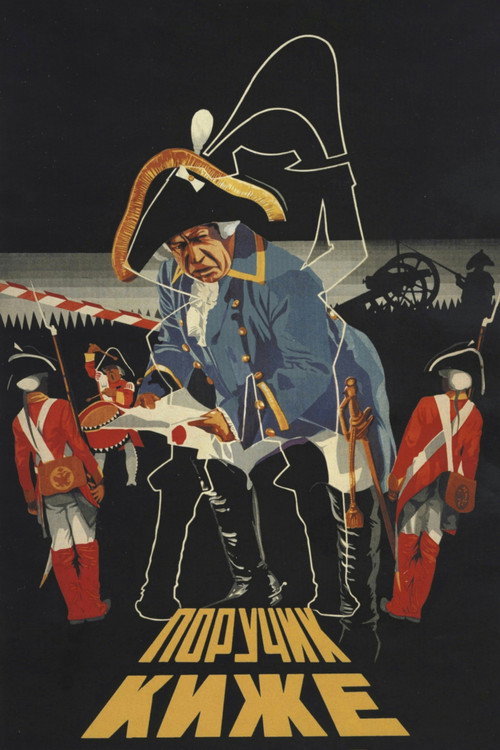
1934
No reviews yet. Be the first to share your thoughts on this movie!
Use the rating form above to leave a star rating and optional review.