If Paris Were Told to Us
1956
No user ratings available yet
Representation score: 2.2 out of 10

Representation Score
Limited
2023
Director
Alexandre Arcady
Runtime
129 minutes
Average Rating
No ratings yetNew Showbiz Analysis
The film excels in its exploration of the complex racial and ethnic dynamics of 1962 Algeria. By setting the narrative in this historical context, it delves into intricate social interactions and tensions. However, the story focuses primarily on male-driven lineages, limiting the diversity of representation. The absence of LGBTQ+ characters or those with disabilities further narrows the scope of social inclusion. Overall, the film serves as a critical examination of post-colonial identity and memory, emphasizing cultural and historical conflict over a broader range of social representation.
Category Breakdown
The film does not include any LGBTQ+ characters or narratives. There is no indication of non-straight relationships or identities within the story.
The story centers around Antoine Lisner and his son, focusing on the male experience. The 1962 setting suggests specific social roles for women, but no female protagonists are featured.
Set in the Casbah of Algiers, the film includes a diverse cast reflecting the multi-ethnic environment. It explores the tension between French and Algerian identities during a time of significant historical change.
The narrative examines themes of displacement and the dismantling of colonial history. It comments on how Western perspectives intersect with post-colonial realities.
There is no information about characters with physical, sensory, or neurodivergent disabilities in this production.
Present on Screen
Limited or Absent
Official Synopsis
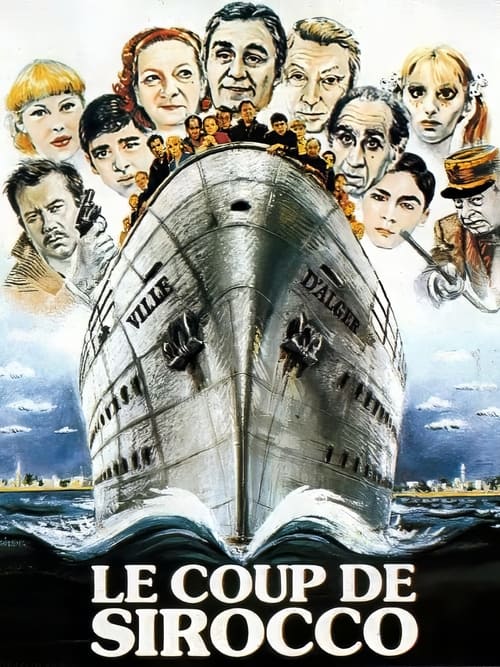
The childhood of the movie director Antoine Lisner, who left Algeria in 1962. In order to present his new movie, he comes back to Algiers with his son.
1956

2012

1938
2010
1979

2013

2014
2011
No reviews yet. Be the first to share your thoughts on this movie!
Use the rating form above to leave a star rating and optional review.