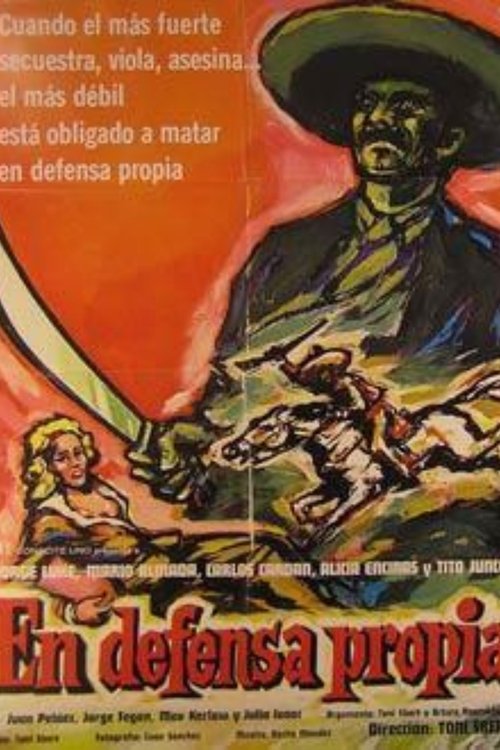
En Defensa Propia
1978
No user ratings available yet
Representation score: 3.7 out of 10
Representation Score
Limited
1969
Director
Arturo Martínez
Runtime
105 minutes
Average Rating
No ratings yetNew Showbiz Analysis
Arturo Martínez’s film shifts the protagonist's ability to drive the story from the settler to the indigenous population, disrupting the standard Western cliché. It serves as a critique of state-driven expansionism and centralized power. However, the film is constrained by the social norms of 1969, lacking any meaningful representation of LGBTQ+ identities or disability, and adhering to rigid, traditional gender roles. Ultimately, the work succeeds as a piece of regional cinema that prioritizes racial and cultural sovereignty, even while remaining limited in its social breadth.
Category Breakdown
The film does not include any representations of LGBTQ+ identities or same-sex intimacy. It focuses solely on ethnic and territorial conflicts.
The story follows traditional 1960s gender roles, emphasizing male-driven conflict and leadership. Female characters are prominent but are portrayed according to conventional archetypes of strength.
The film centers on the Yaqui people's resistance against displacement, providing ability to act to a underrepresented group rather than depicting them as passive scenery.
The narrative critiques state-driven land seizure by framing resistance as a struggle for cultural sovereignty. It prioritizes communal identity and indigenous spirituality over state-mandated progress.
There is no evidence of characters with visible or invisible disabilities. The film does not depict neurodivergence or chronic illness.
Present on Screen
Limited or Absent
Official Synopsis
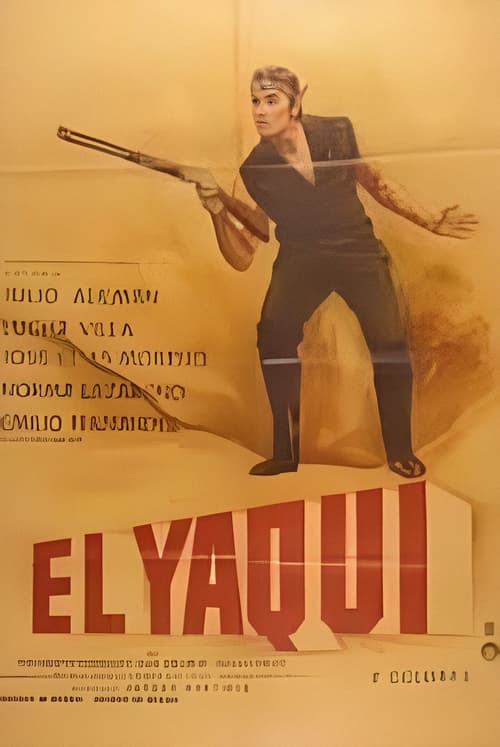
A young Yaqui man fights against intolerant townspeople.
1978

1964
1969
1966
1947
1957
1969
1969
No reviews yet. Be the first to share your thoughts on this movie!
Use the rating form above to leave a star rating and optional review.