Nena
2014
No user ratings available yet
Representation score: 8.3 out of 10
Representation Score
Good
2011
Director
Ziska Riemann
Runtime
90 minutes
Average Rating
No ratings yetNew Showbiz Analysis
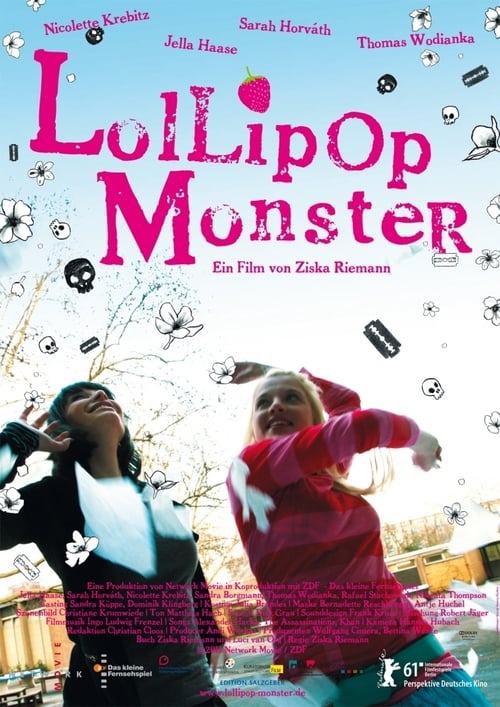
Lollipop Monster is a psychological character study that prioritizes the deconstruction of traditional Western institutions. It replaces the sanctity of the family and clear moral boundaries with an unsettling exploration of individual ability to act and subjective truth. The film excels at presenting women as the primary architects of emotional and social shifts. By focusing on the complexities of female desire and ability to act, it avoids many common coming-of-age clichés. However, the film lacks significant racial diversity and relies on a homogeneous social environment. While it handles mental health with nuance, the depiction of self-harm feels more like a plot device than a holistic view of lived experience.
Category Breakdown
The film explores non-traditional interpersonal dynamics and disrupts conventional family structures. It emphasizes unconventional emotional bonds and rejects standard social mores.
The narrative subverts traditional hierarchies by centering on women's ability to drive the story and desire. Ari is depicted as an active driver of her own sexual awakening, avoiding the cliché of the passive female lead.
The story appears to focus on a relatively homogeneous social environment. There is no evidence of significant racial blending or diverse casting to challenge historical norms.
The film challenges the idealized Western concept of the stable family by portraying the nuclear unit as a site of instability and betrayal. It treats complex sexual transgressions with psychological nuance.
Mental health is addressed through Oona’s self-harming behaviors following familial trauma. However, the portrayal risks using psychological distress primarily as a catalyst for character development.
Present on Screen
Limited or Absent
Official Synopsis
Ari and Oona go to the same school. Lolita-like Ari, is blonde, pouting and lives in a world of bright colours, frustrated by her mother still treating her as a child, while arty Oona dresses in black and is treated as an adult by her artist father. When Oona’s father commits suicide after his wife has an affair with his brother Lukas, Oona starts to self-harm, but finds and unlikely friendship with Ari. Ari’s enthusiasm for exerting her sexuality rebounds when she starts an affair with Oona’s uncle, who has recently moved in with Oona’s mother.
2014
2001
2007
2013
2009

2011
2006
2011
No reviews yet. Be the first to share your thoughts on this movie!
Use the rating form above to leave a star rating and optional review.