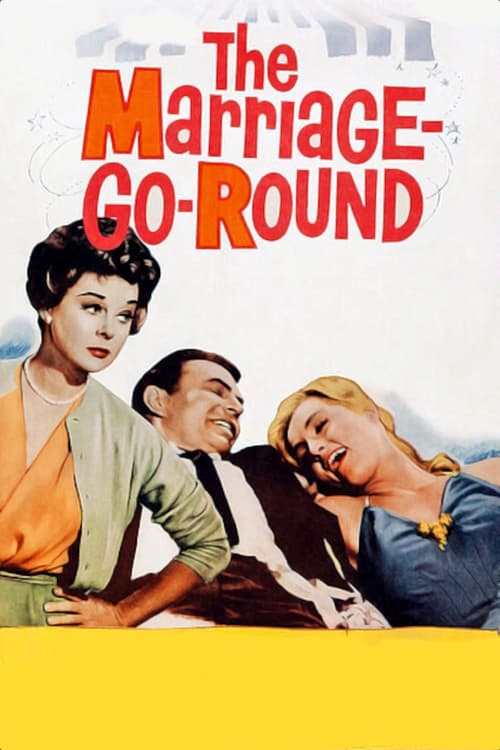
The Marriage-Go-Round
1961
No user ratings available yet
Representation score: 4.8 out of 10
Representation Score
Limited
1961
Director
Alf Kjellin
Runtime
93 minutes
Average Rating
No ratings yetNew Showbiz Analysis
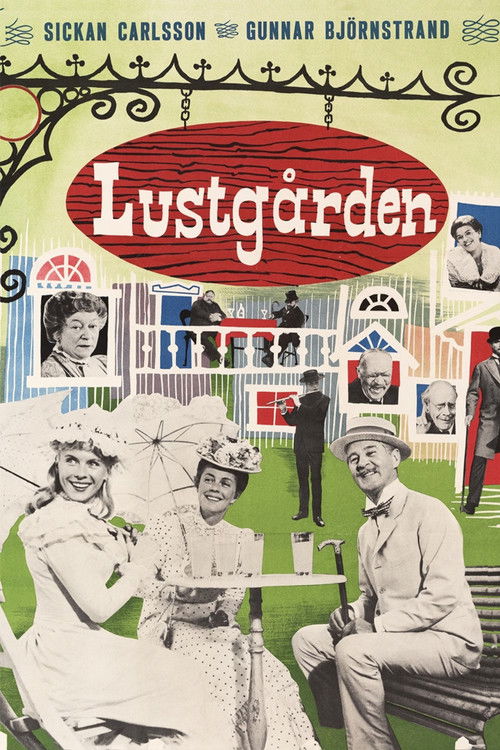
The Pleasure Garden is a period comedy that explores the tension between individual autonomy and the strict moral codes of a small town. It highlights the social friction caused by an unwed mother and a scandalous poet. However, the film remains limited by its historical context and setting. It focuses on a localized demographic, reflecting the homogeneity of a turn-of-the-century European town. While it offers a subtle critique of provincial conservatism, it does not engage with broader identity politics or systemic social issues.
Category Breakdown
The film does not feature any explicit LGBTQ+ characters or explore non-straight relationships. The main romance focuses on a heterosexual relationship.
Fanny faces the social consequences of unplanned motherhood and an unconventional domestic life. She plays a significant role in driving the story, but the narrative power dynamics still revolve around the male protagonist.
The film is set in a turn-of-the-century picturesque town that seems to have a homogeneous population. There is no indication of a multi-ethnic cast or diverse ethnic representation.
The story critiques the conservative attitudes of a small town by highlighting the conflict between local moral rigidity and the lived experiences of its residents. It challenges social norms rather than institutional structures.
The narrative does not include any characters with visible or invisible disabilities.
Present on Screen
Limited or Absent
Official Synopsis
A small picturesque town at the turn of the century. The conservative views of the townspeople are shaken when they find out that the school teacher Franzén published his own poetry anonymously many years ago. At the same time he acknowledges his love affair with a waitress at the city hotel, Fanny. What is most upsetting is the fact that Fanny has a grownup daughter, Anna, with no known father. Could their poet teacher be the father although he and Fanny are not married?
1961
1955
1956

1953
1953
1976
1960
1965
No reviews yet. Be the first to share your thoughts on this movie!
Use the rating form above to leave a star rating and optional review.