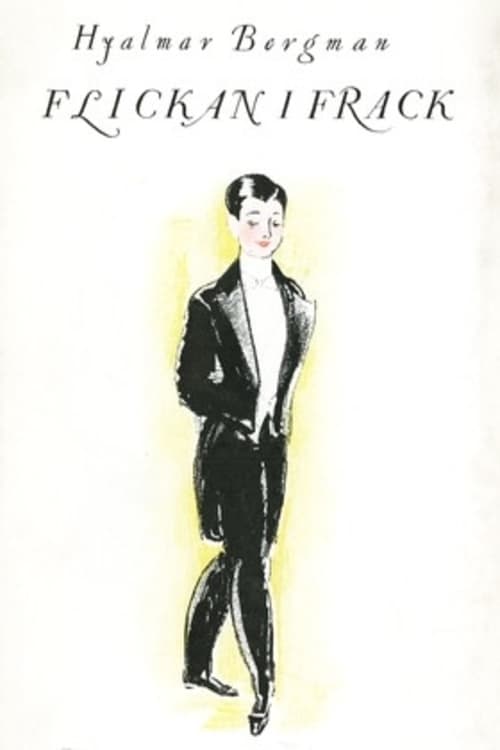
The Girl in Tails
1926
No user ratings available yet
Representation score: 5.0 out of 10
No Poster Available
Representation Score
Limited
1956
SDirector
Arne Mattsson
Runtime
98 minutes
Average Rating
No ratings yetNew Showbiz Analysis
Girl in Tails functions as a mid-century comedy that uses gender-nonconforming presentation to drive its plot. The protagonist's decision to wear a tail-coat serves as a tool for comedic ability to act, allowing her to disrupt the conservative social codes of Wadköping. While the film successfully challenges traditional gendered dress codes, it remains limited by the storytelling conventions of its time. It lacks the depth or systemic critique found in modern progressive cinema, focusing instead on social decorum and situational humor. The production is characterized by a homogeneous cast and a narrow focus on local Swedish social hierarchies, offering little in the way of racial or cultural diversity.
Category Breakdown
The film uses cross-dressing as a comedic device, focusing on mistaken identity rather than exploring queer experiences. The protagonist adopts masculine attire to create situational humor.
Katja challenges traditional gender roles by wearing masculine clothing to navigate a rigid social environment. This choice allows her to take control and challenge mid-century expectations of feminine passivity.
The cast appears homogeneous, reflecting the traditional Swedish setting of the era. There is no evidence of non-white or non-Anglo-Saxon representation within the narrative.
The story centers on a conflict between individual expression and conservative local institutions. However, it treats this disruption as a lighthearted aesthetic shock rather than a systemic critique.
The film provides no visible evidence regarding the inclusion or portrayal of characters with physical or neurodivergent disabilities.
Present on Screen
Limited or Absent
Official Synopsis
The beautiful student Katja shocks the conservative and rigid city of Wadköping by appearing in tail-coat on the big prom.
1926
1976
1960
1933
1961

1969
1956
1969
No reviews yet. Be the first to share your thoughts on this movie!
Use the rating form above to leave a star rating and optional review.