WWE WrestleMania XI
1995
No user ratings available yet
Diversity score: 1.8 out of 10
1985
TV-MADirector
Jim Crockett Jr.
Runtime
173 minutes
Average Rating
No ratings yetSynopsis
Ric Flair takes on Dusty Rhodes for the NWA World Heavyweight Championship. A Brutal Steel Cage "I Quit" Match for the United States Championship pits Magnum T.A. against Tully Blanchard. The Rock 'n' Roll Express battle The Koloffs and much more.
Overall Score
Minimal
Category Breakdown
LGBTQ+ Representation
The broadcast focuses exclusively on masculine-coded combat and athletic competition. There is no discernible presence of LGBTQ+ characters or narratives addressing non-cisnormative identities.
Gender Representation
The narrative architecture centers almost entirely on male physicality and dominance. Female presence is lacking in both the ring and primary storytelling roles, reinforcing traditional gender hierarchies.
Racial & Ethnic Diversity
The roster includes significant figures of color, such as protagonist Dusty Rhodes. While racial integration exists within the talent, it follows conventional era patterns rather than subverting hierarchies.
Religious & Cultural Diversity
The event operates within a framework of traditional Western spectacle. It relies on a binary 'Face vs. Heel' moral structure that celebrates established championship hierarchies and competition.
Disability Representation
There is no visible or invisible representation of disability. The focus remains strictly on peak physical performance and athletic capability.
Strengths
Areas for Improvement
AI Analysis
NWA Starrcade 1985 is a product of the mid-1980s territory era, prioritizing traditional archetypes of heroism and villainy. The production adheres to the rigid social and cultural norms of its time, focusing on physical dominance and established moral binaries. While the event provides a baseline of racial inclusion through prominent Black athletes like Dusty Rhodes, it lacks intersectional depth. The storytelling is built around a binary of good versus evil, offering little disruption to conventional social structures. Ultimately, the broadcast functions as a spectacle of competition that reinforces traditional hierarchies of gender and masculinity, providing almost no representation for LGBTQ+ identities or individuals with disabilities.
1995
1988
2011

1989
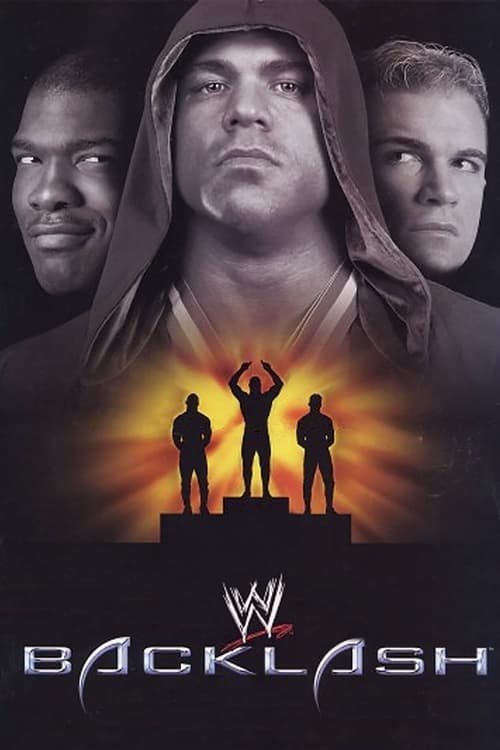
2003
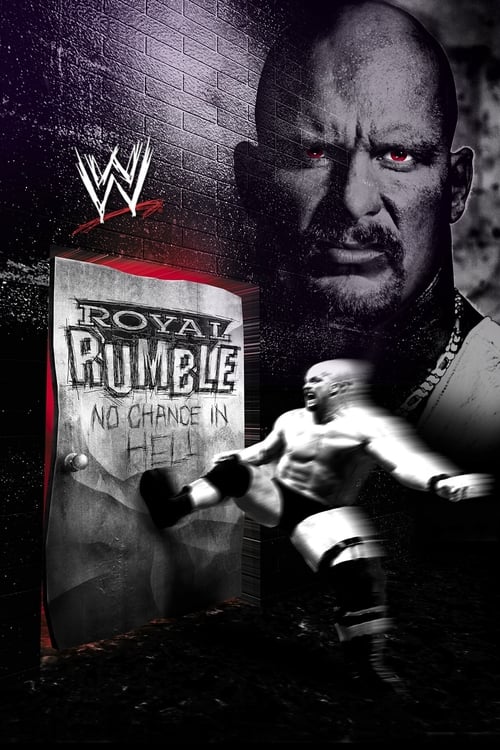
1999
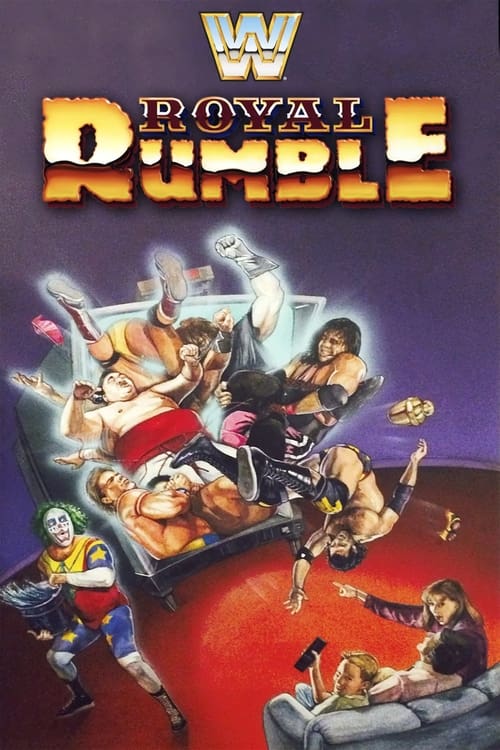
1994
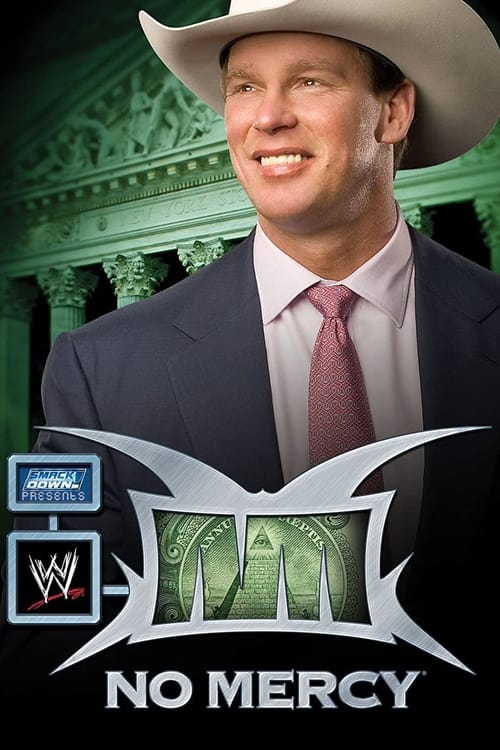
2004
1998

1999

1994
2005
No reviews yet. Be the first to share your thoughts on this movie!
Use the rating form above to leave a star rating and optional review.