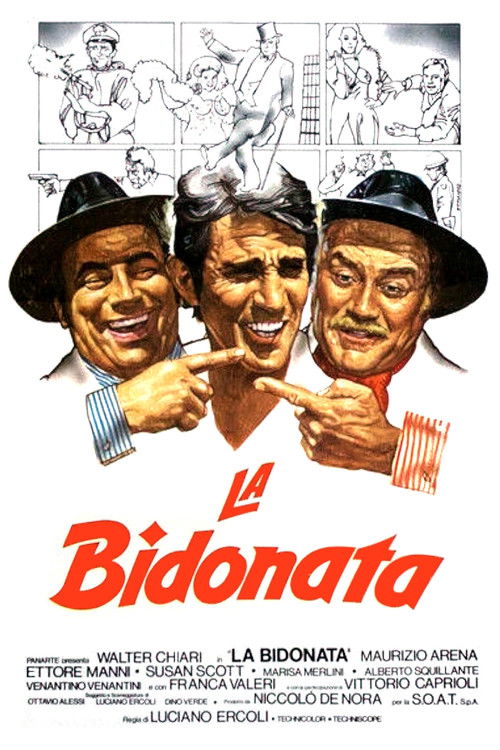
The Rip-Off
1977
No user ratings available yet
Diversity score: 3.1 out of 10
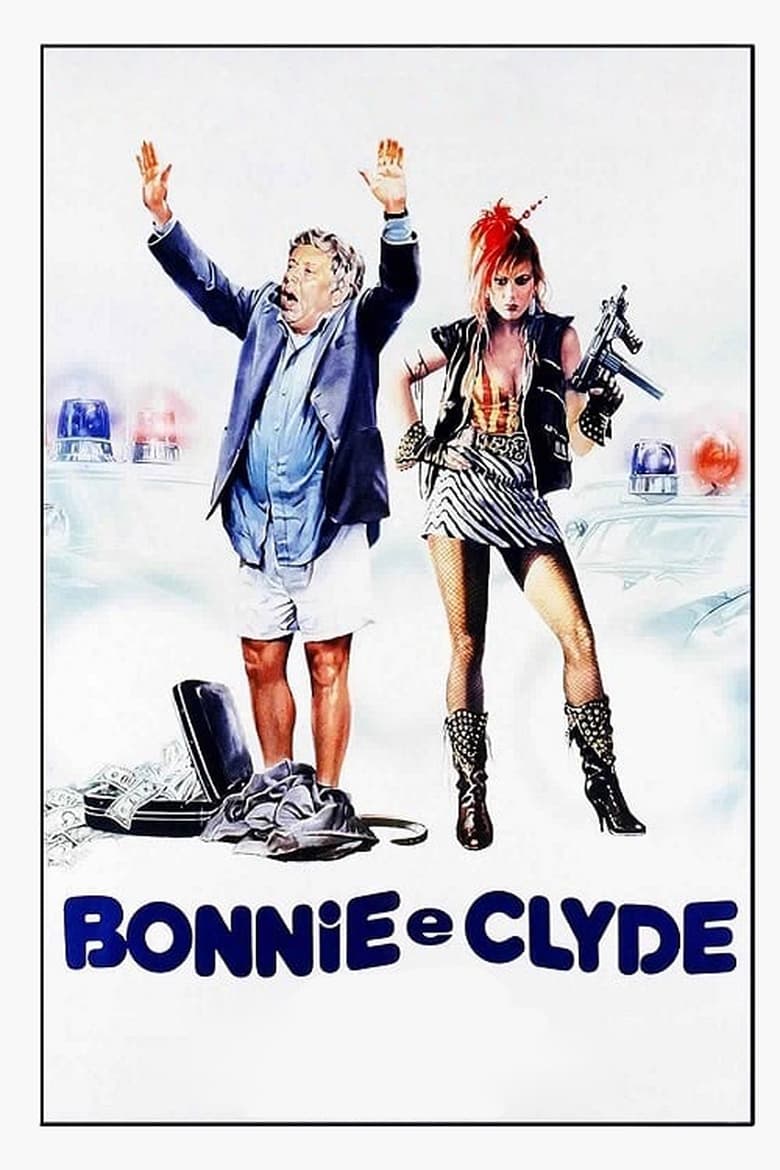
1983
Director
Steno
Runtime
97 minutes
Average Rating
No ratings yetSynopsis
Two stupid lowlifes are "forced" into a life of violent crime on the streets of Italy. What follows is a mocking takeoff of the American crime classic "Bonnie and Clyde."
Overall Score
Limited
Category Breakdown
LGBTQ+ Representation
The film follows conventional romantic and criminal pairing tropes typical of its era. There is no evidence of LGBTQ+ characters or narratives that critique heteronormativity.
Gender Representation
As a parody of the Bonnie and Clyde dynamic, the film likely engages with gendered power imbalances. However, there is no specific evidence of female characters exercising agency to disrupt traditional hierarchies.
Racial & Ethnic Diversity
The film likely reflects the demographic homogeneity of period Italian cinema. The narrative appears centered on traditional European social structures without indication of non-white majority casting.
Religious & Cultural Diversity
The film functions as a mocking takeoff that disrupts traditional portrayals of law and order. It leans into the chaotic, subjective morality often found in Italian satire.
Disability Representation
No specific information regarding the portrayal of physical or neurodivergent characters is available.
Strengths
Areas for Improvement
AI Analysis
Steno’s satire focuses on deconstructing the romanticized outlaw archetype through a comedic lens. The film prioritizes the subversion of cinematic tropes over the inclusion of diverse social identities. While the narrative architecture challenges the gravity of the crime genre, it lacks intersectional depth. The work remains culturally specific to its era, focusing on social satire rather than progressive representation. Ultimately, the film serves as a genre-specific parody that emphasizes moral relativism and comedic mockery of criminal hierarchies.
1977
1999
1973
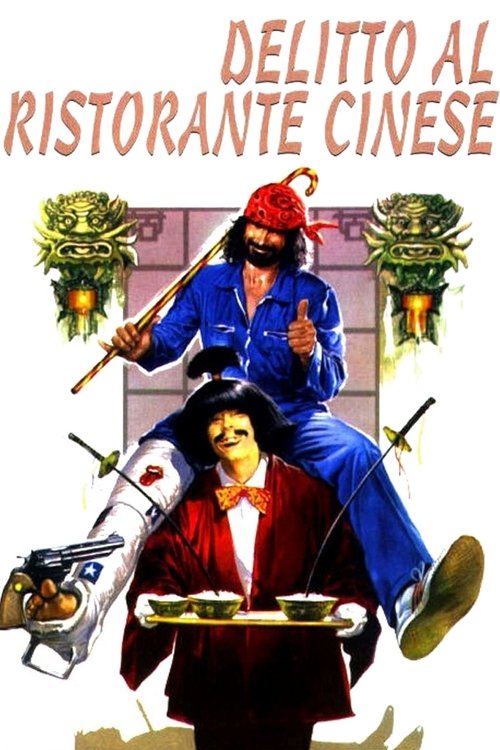
1981
1968
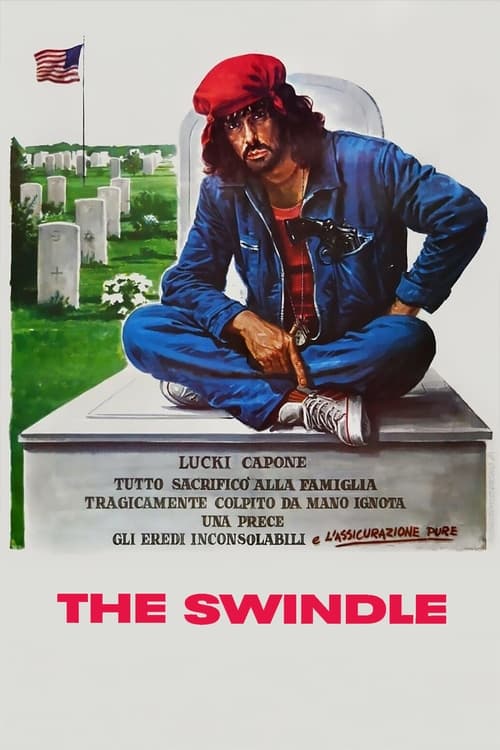
1977

2026

1979
1966
1980
1966
2013
No reviews yet. Be the first to share your thoughts on this movie!
Use the rating form above to leave a star rating and optional review.