Together
1956
No user ratings available yet
Representation score: 6.1 out of 10
Representation Score
Good
1961
Director
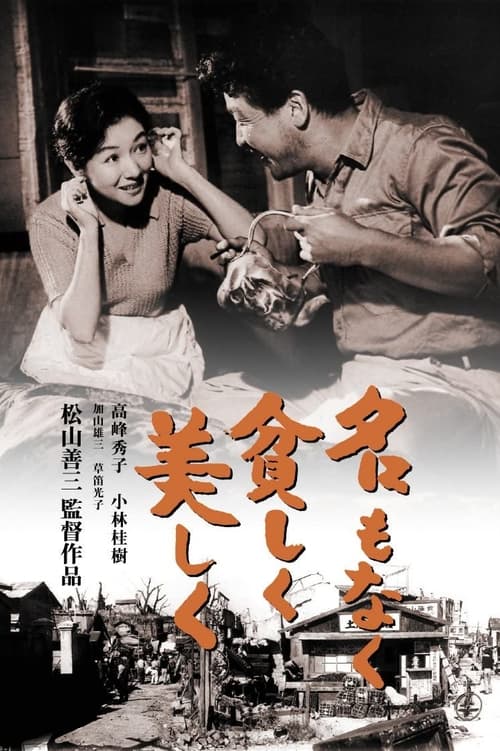
Zenzō Matsuyama
Runtime
129 minutes
Average Rating
No ratings yetNew Showbiz Analysis
Happiness of Us Alone stands out for its focus on disability. By centering a marriage between deaf and mute individuals, the film avoids using their conditions merely as plot devices. Instead, it grants these characters a significant role in driving the story and emotional complexity. While the film excels in representing disability, its broader social critiques are less defined. The domestic focus suggests a traditional romantic framework, and the cultural setting remains localized to its 1961 Japanese context. Overall, the film challenges mid-century cinematic norms by highlighting the interpersonal joys and struggles of characters who were often underrepresented or pathologized in mainstream media.
Category Breakdown
The film does not include any characters with non-straight sexual orientations or gender identities. The central relationship is a traditional marriage.
The movie follows a married couple facing various life challenges. It is unclear whether the film challenges or reinforces traditional gender roles from the mid-20th century.
Produced in Japan in 1961, the film reflects a culturally homogenous environment. There is no indication of racial stereotypes or biases.
The story focuses on individuals who face systemic barriers. It highlights the lived experiences of its protagonists as they navigate societal structures.
The film centers its narrative around characters with sensory impairments. These characters have significant control over their lives and emotional depth.
Present on Screen
Limited or Absent
Official Synopsis
The story is of two people. One is deaf, the other deaf and mute. They marry after meeting at a school reunion, and the film follows their trials and tribulations ... and joys.
1956

1991

1972

1960
2009
1986
1985

1995
No reviews yet. Be the first to share your thoughts on this movie!
Use the rating form above to leave a star rating and optional review.