
George Washington: The Man Who Wouldn't Be King
1992
No user ratings available yet
Diversity score: 1.9 out of 10
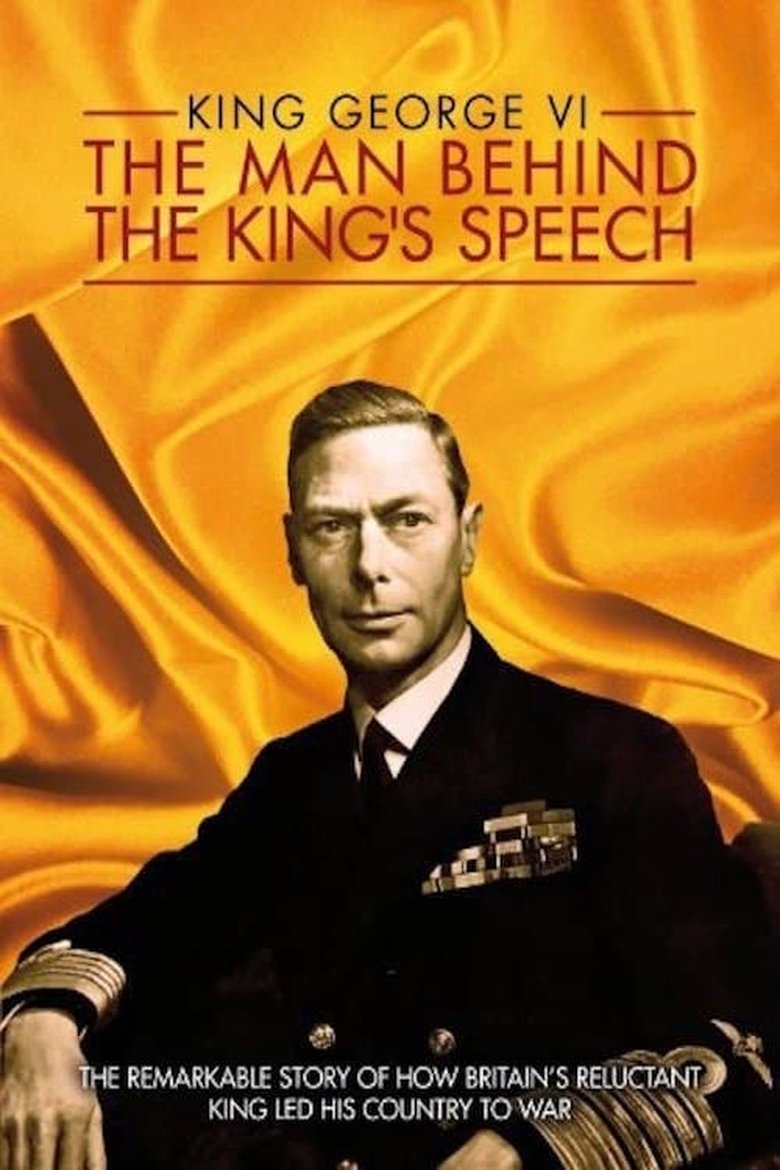
2011
Director
Alan Bryon
Runtime
60 minutes
Average Rating
No ratings yetSynopsis
This documentary tells the story of the man who overcame his own failings for the sake of his nation. When his older brother, Edward VIII, abdicated the throne to marry Wallis Simpson, nervous-mannered successor George "Bertie" VI was plagued with shyness and a speech impediment when speaking to his subjects. An introvert as well as a humble man, events and circumstances resulted in him becoming an inspiration for the British nation during its war with Germany.
Overall Score
Limited
Category Breakdown
LGBTQ+ Representation
The film focuses on traditional monarchical succession and historical marriage dynamics. It lacks any representation of non-cisnormative identities or narratives that critique heteronormativity.
Gender Representation
Narrative agency is concentrated in male figures like Edward VIII and George VI. The film reinforces traditional patriarchal structures and masculine roles of leadership and duty.
Racial & Ethnic Diversity
The content reflects the homogeneous demographic of the mid-20th-century British Royal Family. There is no indication of diverse casting or racial variety in the presentation.
Religious & Cultural Diversity
The documentary celebrates Western institutions, patriotism, and national duty. It functions to uphold established social orders rather than challenging capitalism or religious norms.
Disability Representation
The film provides a meaningful look at a speech impediment and social anxiety. It frames these struggles as hurdles to be overcome through perseverance and personal agency.
Strengths
Areas for Improvement
AI Analysis
This documentary serves as a traditional historical biography that prioritizes biographical preservation over social subversion. It centers on the personal struggles of George VI within the rigid framework of the British monarchy. While the film offers a nuanced portrayal of a physical disability, it remains limited by its period-specific focus. The narrative reinforces existing Western hierarchies and institutional norms rather than introducing intersectional complexity. Ultimately, the work functions as a reflection of a specific era and institution, prioritizing the subject's duty to the state over a diverse or modern social perspective.
1992

2024

2003
2019
2009

2021
1996

1993
1948

2015

1984

2020
No reviews yet. Be the first to share your thoughts on this movie!
Use the rating form above to leave a star rating and optional review.