
9/11: Inside the President's War Room
2021
No user ratings available yet
Representation score: 0.5 out of 10
Representation Score
Limited
2018
TV-14Director
John Maggio
Runtime
96 minutes
Average Rating
No ratings yetNew Showbiz Analysis
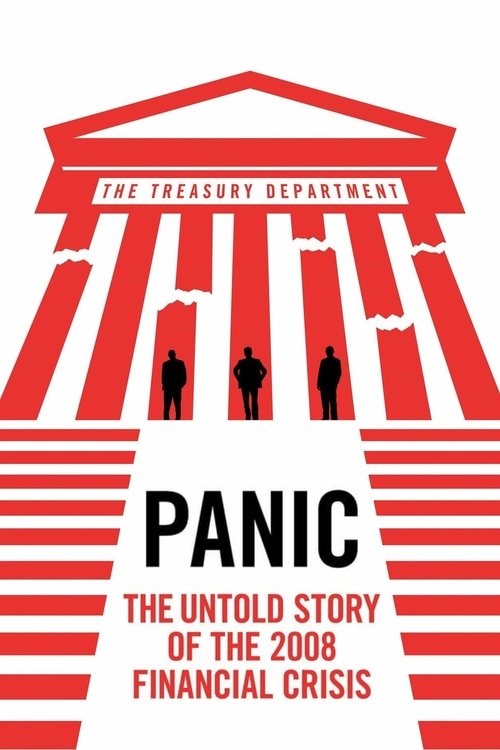
Panic offers a sophisticated critique of neoliberal economic structures. It examines how deregulated markets can lead to institutional dysfunction and collective instability. The film's strength lies in its ideological disruption. By framing the 2008 crisis as a predictable outcome of capitalism, it challenges the perceived stability of Western financial institutions and their inherent corruption. However, the documentary remains demographically conventional. It relies heavily on traditional, male-dominated leadership structures, resulting in low representation across several key identity categories.
Category Breakdown
The documentary focuses on macroeconomic policy and institutional failures. There are no LGBTQ+ characters or non-traditional gender identities featured.
The film centers on the male-dominated hierarchy of the Federal Reserve and Treasury Department. It lacks significant roles for women in key policy discussions.
The film touches on the disparate impact of the housing collapse on various socioeconomic groups. However, it does not delve deeply into the racial dynamics involved.
The film excels in critiquing Western institutional frameworks. It highlights the morality of capitalism by pointing out how losses are socialized while gains are privatized.
There is no evidence of visible or invisible disabilities being part of the narrative or used as a central theme.
Present on Screen
Limited or Absent
Official Synopsis
This documentary looks at the factors that led to the 2008 financial crisis and the efforts made by then Treasury Secretary Henry Paulson, Federal Reserve Bank of New York President Timothy Geithner, and Federal Reserve Chair Ben Bernanke to save the United States from an economic collapse.
2021

2012
2009
2011
2014
2005

2014

2010
No reviews yet. Be the first to share your thoughts on this movie!
Use the rating form above to leave a star rating and optional review.