
Eiffel's Race to the Top
2023
No user ratings available yet
Representation score: 2.5 out of 10
Representation Score
Good
1981
TV-GDirector
Ken Burns
Runtime
58 minutes
Average Rating
No ratings yetNew Showbiz Analysis
Ken Burns avoids a simplistic glorification of industrial progress by weaving in the socioeconomic realities of the 19th-century workforce. By highlighting the human costs, the film challenges the notion of seamless industrial advancement. The documentary excels by balancing the 'Great Man' theory of history with a focus on the immigrant labor force and female leadership. It offers a sophisticated view of how disability and immigrant identity intersected with major engineering projects. While the film lacks LGBTQ+ representation, it provides a rich exploration of gendered leadership and ethnic diversity through its historical lens.
Category Breakdown
The film contains no identifiable LGBTQ+ characters or narratives. The focus remains strictly on the historical figures and labor classes relevant to the bridge's construction era.
The film highlights the leadership of Emily Warren Roebling, who took charge when her husband was unable to continue his work. She demonstrates strong intellectual capabilities and navigates both technical and political challenges effectively.
The documentary focuses on the contributions of Irish and Italian immigrants during the construction of the bridge. This portrayal emphasizes the ethnic diversity that fueled industrial growth, avoiding a narrow Anglo-centric view.
The film examines the harsh conditions faced by workers during the Industrial Revolution, emphasizing the human cost behind engineering achievements. It presents a broader perspective on the socioeconomic struggles of the time.
The documentary delves into Washington Roebling's battle with decompression sickness and the resulting social isolation. It portrays his physical disability with depth, showing how he maintained ability to act despite his limitations.
Present on Screen
Limited or Absent
Official Synopsis
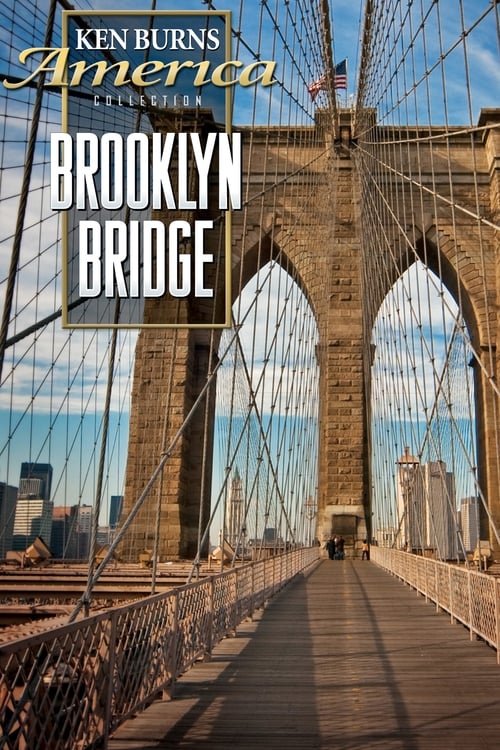
Today it's a symbol of strength and vitality. 135 years ago, it was a source of controversy. This documentary examines the great problems and ingenious solutions that marked the construction of the Brooklyn Bridge. From conception to construction, it traces the bridge's transformation from a spectacular feat of heroic engineering to an honored symbol in American culture.
2023
2012

2008

1989
2019

2017

2022

2007
No reviews yet. Be the first to share your thoughts on this movie!
Use the rating form above to leave a star rating and optional review.