Them and Us
1976
No user ratings available yet
Diversity score: 5.0 out of 10
1987
RDirector
Alan J. Pakula
Runtime
115 minutes
Average Rating
No ratings yetSynopsis
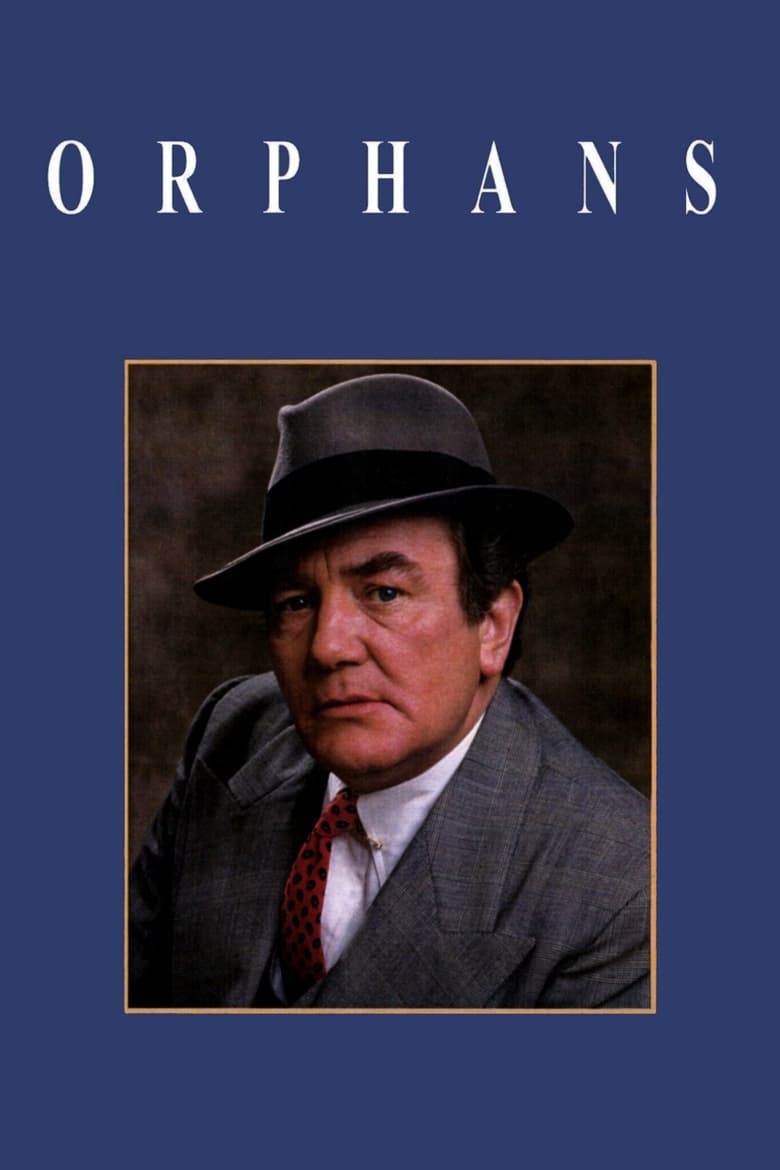
Brothers Treat (Matthew Modine) and Philip (Kevin Anderson) have lived alone since they were kids, when a small time criminal enters their lives.
Overall Score
Fair
Category Breakdown
LGBTQ+ Representation
The film centers on the intense, codependent bond between two brothers. While it lacks explicit queer identities, the unconventional domestic arrangement disrupts traditional heteronormative family models.
Gender Representation
The story operates in a predominantly masculine space, focusing on male vulnerability and aggression. It subverts hierarchies by showing how domesticity and intellectualism shape masculine archetypes, though female presence is scarce.
Racial & Ethnic Diversity
Set in a rundown Newark row house, the environment suggests a diverse urban tapestry. However, the central narrative arc focuses on a homogeneous group, offering limited intersectional racial depth.
Religious & Cultural Diversity
The narrative critiques traditional institutions by framing survival-based crime as a necessity rather than a moral failing. It prioritizes subjective morality and challenges conventional Western social structures.
Disability Representation
Phillip’s struggle with agoraphobia is integrated into the core tension rather than used as a mere plot device. The film focuses on his intellectual awakening and agency regarding his condition.
Strengths
Areas for Improvement
AI Analysis
Orphans is a psychological character study that prioritizes the agency of non-conformist individuals over broad demographic representation. It succeeds in deconstructing the nuclear family and traditional social roles through its central trio. The film excels at portraying mental health and moral relativism, providing a nuanced look at how characters navigate life on the fringes of society. However, it lacks significant breadth in racial and gender diversity. Ultimately, the work finds its strength in its narrative architecture, using situational ethics to challenge the rigid structures of mainstream society.
1976
1993

2016
1992
1970

2011

1992
2018
1997
1971
1992

1979
No reviews yet. Be the first to share your thoughts on this movie!
Use the rating form above to leave a star rating and optional review.