Them and Us
1976
No user ratings available yet
Representation score: 6.8 out of 10
Representation Score
Good
1993
TV-14Director
Agnès Merlet
Runtime
90 minutes
Average Rating
No ratings yetNew Showbiz Analysis
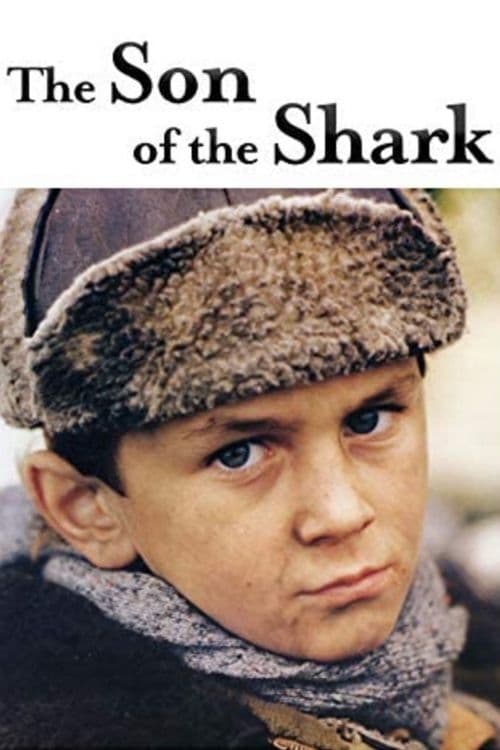
The film excels at deconstructing traditional social hierarchies and exploring the psychological depth of underrepresented youth. It moves away from standard masculine archetypes by presenting a sensitive, poetic protagonist. However, the work lacks demographic breadth, appearing to focus on a localized and potentially homogeneous social environment. The representation of female characters remains somewhat conventional, and there is no clear evidence of LGBTQ+ or racial diversity. Ultimately, the film is a specialized character study that prioritizes psychological nuance and institutional critique over broad characters who reflect more than one aspect of diversity.
Category Breakdown
The film focuses on the fraternal bond between brothers and Martin's pursuit of Marie. There is no explicit evidence of queer identities or non-straight relationships.
Martin subverts traditional masculine stereotypes through his poetic and romantic sensitivity. However, Marie's role follows a more traditional romantic framework, limiting the gender complexity.
Set in a French seacoast town, the story appears to focus on a localized, potentially homogeneous social structure. It lacks evidence of significant racial or ethnic blending.
The narrative critiques traditional social institutions like reform schools and foster homes. It portrays systemic instability and skepticism toward state-run disciplinary structures.
The film hints at neurodivergent behaviors through the characters' intractable wills and philosophical detachment. No specific physical or sensory disabilities are explicitly depicted.
Present on Screen
Limited or Absent
Official Synopsis
Brothers Martin and Simon, not yet teens, are incorrigible vandals; Martin runs away from reform school, Simon from foster homes, and they always find each other in a seacoast town of Lignan, where their destructive behavior is infamous. (It may date to their mother's leaving the family.) Martin is philosophical, romantic, and poetic: he dreams of being the son of a shark; he holds tight to a book about goldfish his mother gave him. In both halting and wild ways, he tries to court Marie, a neighbor girl. Simon, with a pocketknife and an intractable will, seems more dangerous to others. What, on earth, is there for these children-becoming-men?
1976

1994
2006
1996

2012
1999
1987

2002
No reviews yet. Be the first to share your thoughts on this movie!
Use the rating form above to leave a star rating and optional review.