Lisa Frankenstein
2024
No user ratings available yet
Representation score: 7.3 out of 10
Representation Score
Good
2009
TV-MADirector
Yoshihiro Nishimura, Naoyuki Tomomatsu
Runtime
84 minutes
Average Rating
No ratings yetNew Showbiz Analysis
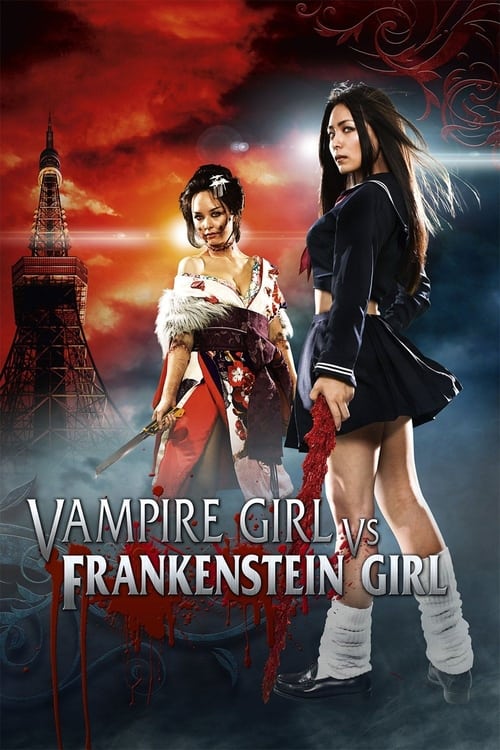
The film's strongest point is its subversion of traditional gender roles by focusing on two powerful female characters who drive the story through violent actions. This approach rejects passive female stereotypes. However, the film falls short in representing diverse identities and backgrounds. The cast is largely uniform, and there's little exploration of LGBTQ+ or ethnic diversity. Overall, the film is a genre-driven work. It replaces traditional social critiques with chaotic, postmodern elements that challenge conventional moral structures through stylized autonomy.
Category Breakdown
The film uses a camp style that fits with queer cinema traditions. However, it doesn't show same-sex intimacy or non-binary gender identities explicitly.
Two strong female characters lead the story through violent actions and independence. This approach challenges traditional gender roles and avoids the damsel in distress stereotype.
The cast and setting in this Japanese film are mostly uniform. The story focuses on creature types rather than exploring racial or ethnic diversity.
The film emphasizes absurdity and surrealism over traditional moral or civic structures. This chaos rejects established institutional order.
The Frankenstein Girl represents a unique physical existence through body reconstruction. She plays a significant role in the story rather than being just an object of pity.
Present on Screen
Limited or Absent
Official Synopsis
A reconstructed girl is created from the pieces of a vampire girl's mini-butchery. Slaughter abounds as both of them pursue the same boy.
2024
2009

2001
2023

2011
1995
2022

2008
No reviews yet. Be the first to share your thoughts on this movie!
Use the rating form above to leave a star rating and optional review.