Drawing Blood
1999
No user ratings available yet
Representation score: 4.3 out of 10
Representation Score
Fair
1995
RDirector
Holly Dale
Runtime
90 minutes
Average Rating
No ratings yetNew Showbiz Analysis
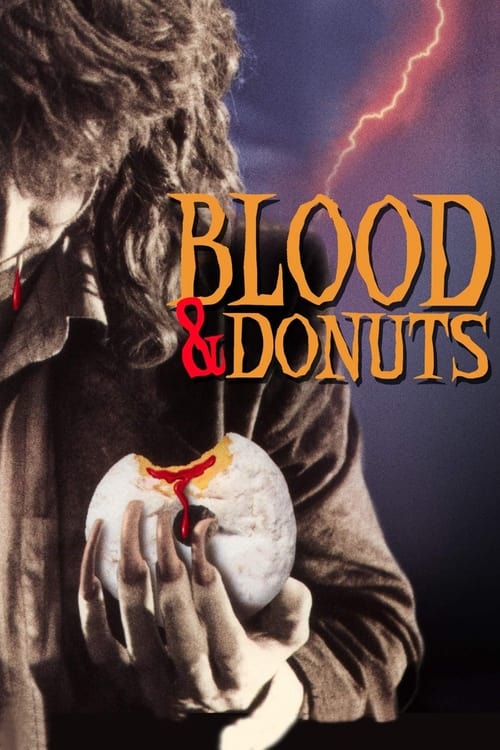
Blood & Donuts functions as a genre subversion that prioritizes unconventional lifestyles over traditional horror clichés. By replacing human predation with animal blood, the film explores a more moralistic, outsider perspective. However, the film's diversity is limited by a lack of characters who reflect more than one aspect of diversity. The narrative remains centered on a traditional romantic arc and lacks clear evidence of racial or LGBTQ+ diversity. Ultimately, the film succeeds in presenting a gritty, non-traditional social structure, but fails to provide a broad spectrum of identity-based representation.
Category Breakdown
The story focuses on a romance between Boya and Molly, which follows traditional heterosexual norms. The film challenges vampire clichés by using animal blood instead of human blood, but does not include explicit LGBTQ+ identities.
The film presents nuanced power dynamics, with Boya as a protector and Rita as a complex woman seeking control over her life. Molly serves as a romantic interest in a service industry context.
Despite being set in multicultural Toronto, the narrative lacks evidence of diverse ethnic backgrounds. There is no confirmation of non-white or non-Anglo-Saxon representation among the characters.
The film breaks horror clichés by focusing on gritty, urban realities such as low-budget hotels and donut shops. Boya's unconventional lifestyle critiques traditional predatory hierarchies.
There is no mention of characters with visible or invisible disabilities, neurodivergence, or chronic health conditions within the narrative.
Present on Screen
Limited or Absent
Official Synopsis
In 1994, in Toronto, the vampire Boya awakens from his twenty-five years of sleep in a basement hit by a golf ball. He takes a cab to the local cemetery, retrieves his belongings from a grave and lodges in a low budget hotel nearby an all-night donut shop. Boya does not drink human blood anymore but rats and pigeons blood instead. While in the donut shop, Boya befriends and protects the taxi driver Earl, who is having trouble with two criminals, and falls in love for the waitress Molly. Meanwhile, his former passion of 1969, Rita, who misses her lost youth, is trying to locate him.
1999
1995
1987
1978
1983
1989
2012
1987
No reviews yet. Be the first to share your thoughts on this movie!
Use the rating form above to leave a star rating and optional review.