
Rape Zombie: Lust of the Dead 3
2013
No user ratings available yet
Representation score: 3.8 out of 10

Representation Score
Good
2001
Director
Naoyuki Tomomatsu
Runtime
80 minutes
Average Rating
No ratings yetNew Showbiz Analysis
Stacy: Attack of the Schoolgirl Zombies succeeds as a genre experiment that challenges traditional gendered horror clichés. By centering the narrative on a female-led cast and a feminine contagion, it moves away from standard masculine aggressor archetypes. However, the film struggles with limited diversity. It lacks significant LGBTQ+ representation or racial diversity, focusing instead on a homogeneous social ecosystem. This narrow demographic focus limits the film's broader social impact. Ultimately, the film's strength lies in its postmodern critique of social conformity. It uses a biological metaphor to challenge the performative nature of adolescent happiness, even if it relies on medicalized metaphors for horror.
Category Breakdown
The film does not include any verified LGBTQ+ characters or identities that go beyond the assumption that everyone is straight or cisgender. The story centers on a specific group of teenage girls facing a unique situation.
The film challenges typical horror movie patterns by focusing on a female-led cast. It transforms the monster from a traditionally masculine figure into a feminine contagion, allowing the characters to take a leading role in overcoming a collective psychological change.
The production seems to focus on a homogeneous group without much racial diversity. There is no indication of diverse casting to challenge historical norms within the school setting.
The story critiques superficial social harmony by presenting artificial happiness as a precursor to a zombie apocalypse. This deconstructs traditional values placed on social unity and conformity.
The Stacy condition serves as a metaphor for lost cognitive abilities. However, it risks using a medicalized state as a horror device rather than offering a nuanced depiction of disability.
Present on Screen
Limited or Absent
Official Synopsis
Girls surrounding 17 years old are affected by an illness that make her to be 'Stacies': they feel a strange and momentary happiness until they become zombies.
2013

2011

2013

2022
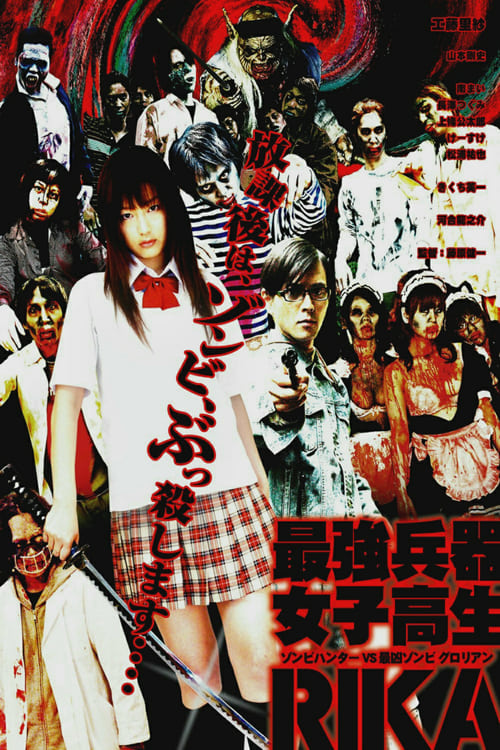
2008

2020
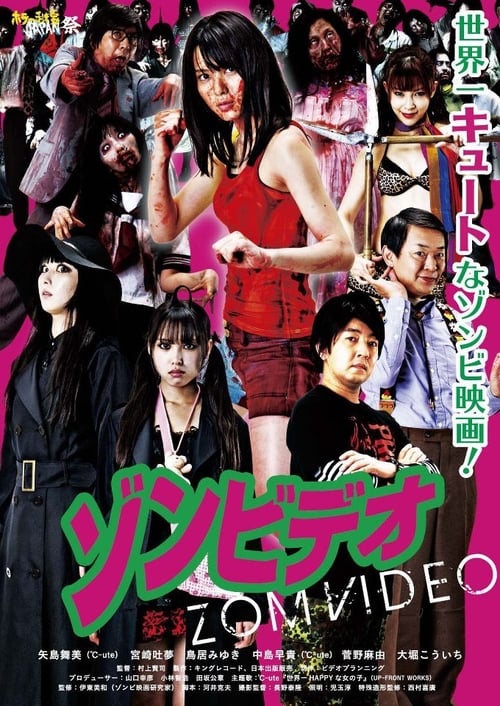
2011
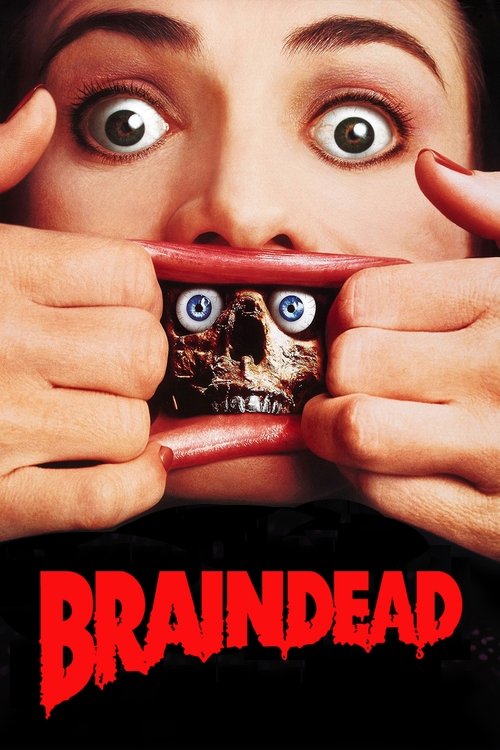
1992
No reviews yet. Be the first to share your thoughts on this movie!
Use the rating form above to leave a star rating and optional review.