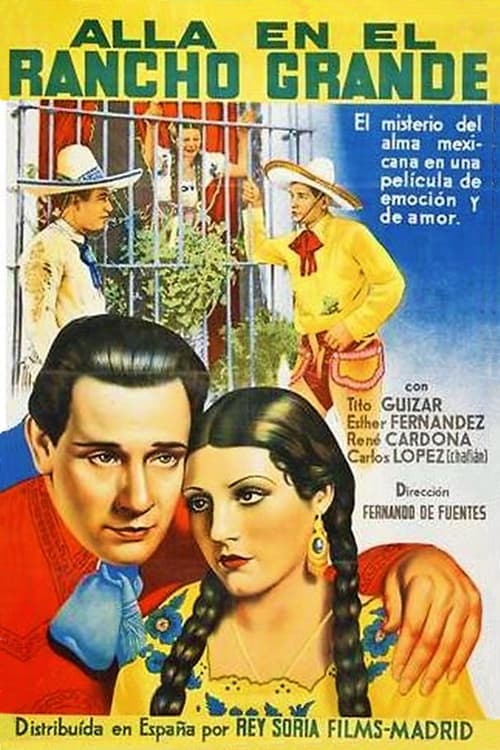
Allá en el Rancho Grande
1936
No user ratings available yet
Representation score: 0.9 out of 10

Representation Score
Minimal
1930
NRDirector
Luther Reed
Runtime
100 minutes
Average Rating
No ratings yetNew Showbiz Analysis
Dixiana is a period-specific musical comedy that operates within the established social and moral frameworks of the 1930s. The narrative relies on traditional romantic clichés and archetypes, such as the Southern belle, to drive its plot. The film's setting in pre-Civil War New Orleans reinforces historical hierarchies rather than challenging them. The focus remains on escapism and romantic melodrama, offering little room for systemic critique or diverse perspectives. Ultimately, the production reflects the studio-driven sensibilities of the early sound era, prioritizing conventional storytelling over multi-layered representation.
Category Breakdown
The film focuses on a traditional romance between a circus performer and a plantation owner's son. There are no characters with same-sex relationships or non-traditional gender identities.
Women play key roles in the story, such as the Southern belle and the objecting stepmother. However, the plot follows conventional romantic melodrama clichés and traditional social structures.
Set in pre-Civil War New Orleans, the story involves a plantation owner, a setting that inherently invokes historical racial hierarchies. The narrative seems to reinforce these existing social stratifications.
The film uses a Southern plantation motif to romanticize agrarian hierarchies. It emphasizes escapist musical comedy over any critique of systemic institutions or social frameworks.
There is no mention of characters with visible or invisible disabilities in the available narrative details.
Present on Screen
Limited or Absent
Official Synopsis
A circus performer falls in love with the son of a plantation owner in antebellum New Orleans. When the young man's stepmother objects to the wedding, the couple break apart and go their separate ways for a time. Also in the mix are two circus comics who feud over the heart of another Southern belle.
1936
1928
1930
1935
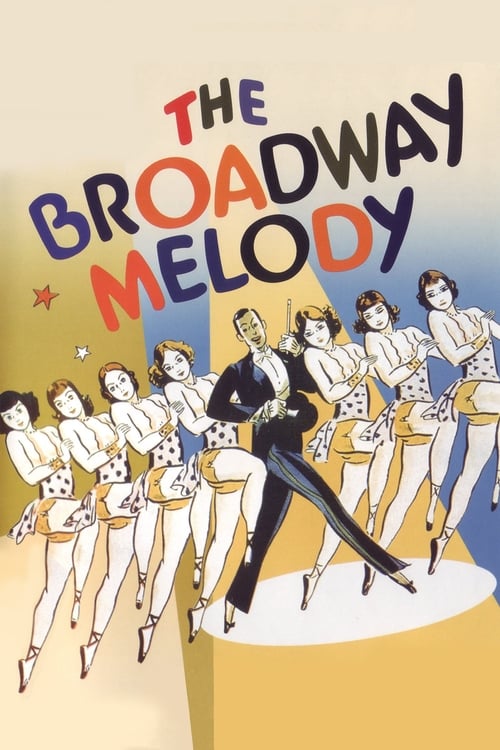
1929
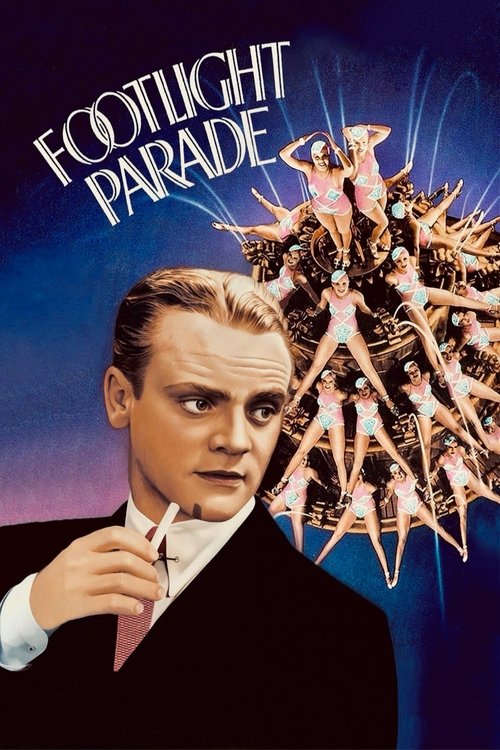
1933
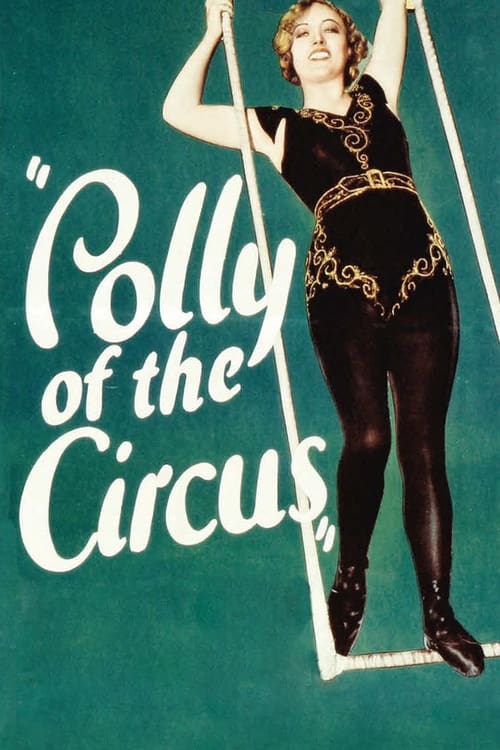
1932
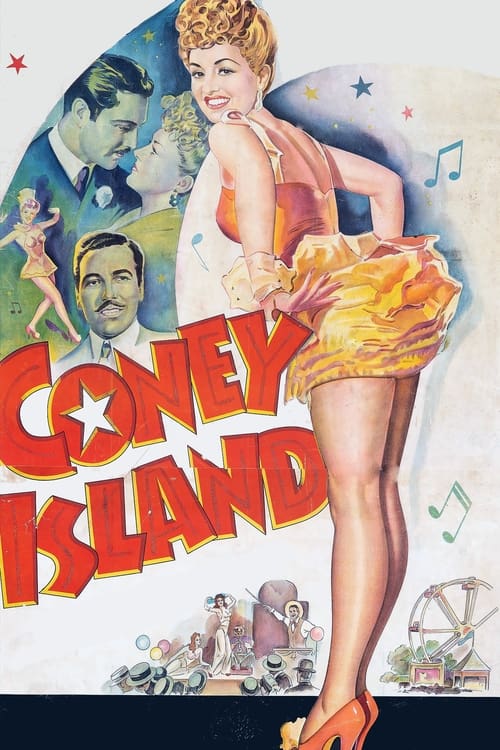
1943
No reviews yet. Be the first to share your thoughts on this movie!
Use the rating form above to leave a star rating and optional review.