Looker
1981
No user ratings available yet
Representation score: 4.3 out of 10
Representation Score
Fair
1978
PGDirector
Michael Crichton
Runtime
113 minutes
Average Rating
No ratings yetNew Showbiz Analysis
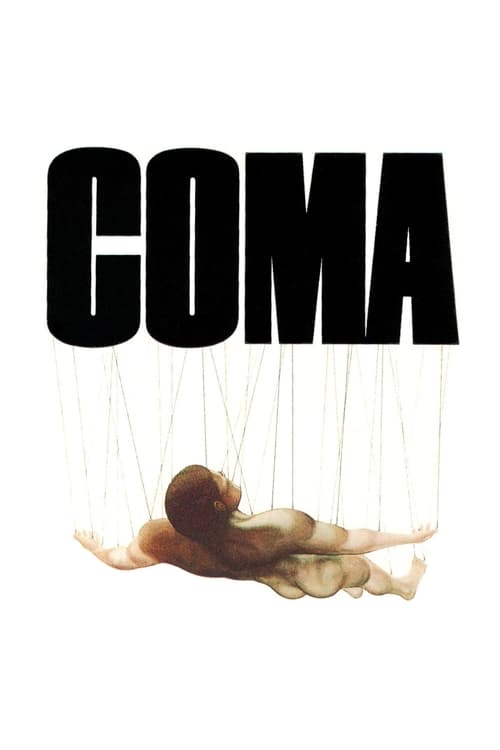
Coma stands out as a progressive thriller for its era due to its strong female lead and critique of institutions. Dr. Susan Wheeler breaks the mold of the passive female character, acting as the primary intellectual force against a male-dominated establishment. However, the film is limited by the demographic homogeneity typical of 1970s cinema. The professional medical world is depicted as almost exclusively white, and there is a complete absence of LGBTQ+ representation. Ultimately, the film's strength lies in its cultural deconstruction. It moves beyond simple mystery to challenge the morality of corporate science and institutional authority, providing a sophisticated critique of Western power dynamics.
Category Breakdown
The film does not include any LGBTQ+ characters or explore non-straight relationships. The social context is strictly assuming gender matches what was assigned at birth, with no representation of queer identities.
Dr. Susan Wheeler is a strong female protagonist who leads the investigation. She outperforms her male colleagues intellectually, challenging traditional gender roles in the medical field.
The cast is predominantly white, reflecting the era's social norms. There is a noticeable lack of diverse representation of different racial backgrounds.
The film provides a critical look at Western institutions and pharmaceutical companies. It portrays large corporations as oppressive forces prioritizing profit over human lives.
Patients in comas serve mainly as plot devices to advance the conspiracy. The film views these medical conditions as symptoms of systemic issues rather than exploring the nuances of physical disabilities.
Present on Screen
Limited or Absent
Official Synopsis
When relatively healthy patients begin having 'complications' during simple operations and ending up in comas, a concerned doctor defies her male superiors when she suspects a secret plot.
1981

1975
2021
1972

1954

1971

2011
1996
No reviews yet. Be the first to share your thoughts on this movie!
Use the rating form above to leave a star rating and optional review.