Madhouse
2004
No user ratings available yet
Representation score: 4.1 out of 10
Representation Score
Limited
2014
PG-13Director
Brad Anderson
Runtime
112 minutes
Average Rating
No ratings yetNew Showbiz Analysis
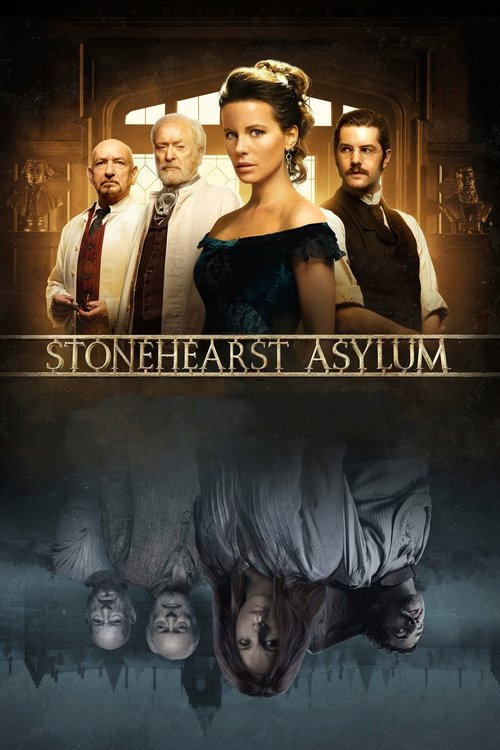
Stonehearst Asylum is a psychological thriller set in the past, emphasizing historical accuracy over modern representation. Its strengths lie in its intellectual critique of institutional authority and the subjective nature of reality. However, the film lacks depth in representing diverse identities. The cast is overwhelmingly white, and the social dynamics are strictly centered on traditional heterosexual relationships. Additionally, the portrayal of mental health conditions primarily serves as a tool for creating suspense rather than empowering characters.
Category Breakdown
The film does not include any LGBTQ+ characters and focuses solely on traditional heterosexual relationships.
The story centers on a male-dominated medical hierarchy. While Eliza is a key figure, her role is often defined by the actions of male characters.
The cast is predominantly white and reflects the homogeneity of the 19th-century setting. There is no effort to include actors of diverse backgrounds.
The storyline questions institutional authority by blurring the lines between sanity and madness. Medical institutions are portrayed as places where power dynamics are constantly shifting.
The plot involves characters with neurodivergence and mental health issues. However, these conditions are used mainly to create suspense and plot twists, rather than to provide meaningful character development.
Present on Screen
Limited or Absent
Official Synopsis
An Oxford Medical School graduate takes a position at a mental institution and soon becomes obsessed with a female mental patient, but he has no idea of a recent and horrifying staffing change.
2004
1972
2001

1926

2010
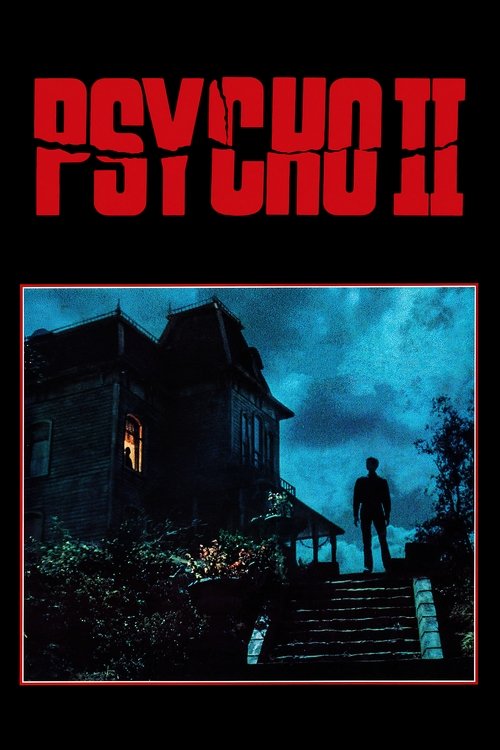
1983

2005

1971
No reviews yet. Be the first to share your thoughts on this movie!
Use the rating form above to leave a star rating and optional review.