The Men Who Made the Movies: Howard Hawks
1973
No user ratings available yet
Representation score: 4.6 out of 10
No Poster Available
Representation Score
Fair
1973
Director
Richard Schickel
Runtime
57 minutes
Average Rating
No ratings yetNew Showbiz Analysis
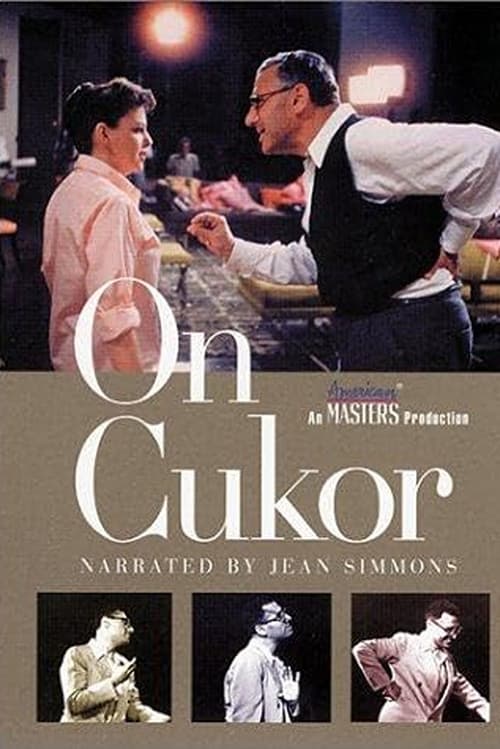
This documentary serves as a detailed historical account of George Cukor's career, highlighting his ability to elevate female-led narratives and complex female characters within a male-dominated industry. However, it is limited by the era it examines, lacking explicit exploration of LGBTQ+ themes and diverse casting practices. The film primarily celebrates the craft of filmmaking while reflecting the demographic constraints of the Golden Age of Hollywood.
Category Breakdown
The film focuses on George Cukor's professional achievements rather than exploring his personal identity. It does not delve into his status as a gay man or other LGBTQ+ themes.
The documentary emphasizes Cukor's ability to prioritize the intellect and emotional depth of female characters. His work gave significant roles to female protagonists, challenging the patriarchal norms of the time.
The film reflects the demographics typical of the mid-20th century studio system. There is limited evidence of diverse casting or efforts to disrupt the predominantly white-centric patterns.
The documentary centers on preserving the history of cinema and celebrating the craft and evolution of the film industry. It does not critically examine the cultural norms or institutions of the West.
There is no notable portrayal of physical or neurodivergent disabilities in the archival footage.
Present on Screen
Limited or Absent
Official Synopsis
In the series of documentaries directed by Richard Schickel following classic film directors, this episode interviews the creative mind behind "My Fair Lady", "The Philadelphia Story", "Born Yesterday" among other classics. The great George Cukor reveals details about the production of several of his movies, the actors he directed and also shares his personal views about films.
1973

1995
1988

2018

1993
2000

1961
1998
No reviews yet. Be the first to share your thoughts on this movie!
Use the rating form above to leave a star rating and optional review.