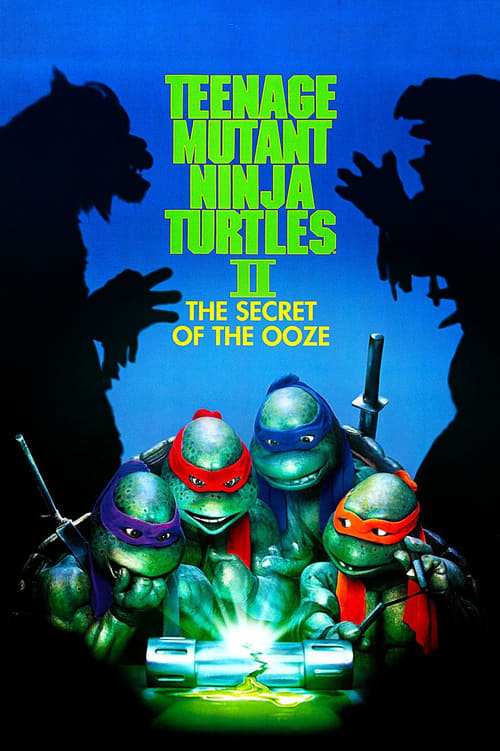
Teenage Mutant Ninja Turtles II: The Secret of the Ooze
1991
No user ratings available yet
Representation score: 2.6 out of 10
Representation Score
Limited
1993
PGDirector
Stuart Gillard
Runtime
95 minutes
Average Rating
No ratings yetNew Showbiz Analysis
The film follows a traditional adventure format that prioritizes genre clichés over progressive representation. While the shift to feudal Japan introduces a new cultural aesthetic, the narrative fails to use this setting to challenge Western-centric perspectives or explore complex identity politics. Character roles remain largely conventional. The protagonists and supporting cast follow established heroic archetypes, maintaining standard social hierarchies rather than disrupting them. Ultimately, the work functions as mainstream family entertainment. It lacks the intentionality needed to engage with diverse identities or provide meaningful representation for underrepresented groups.
Category Breakdown
The film does not include any visible LGBTQ+ identities or non-assuming gender matches what was assigned at birth gender expressions. Character interactions are centered around heterosexual relationships throughout the adventure.
Gender roles follow traditional cinematic clichés. April O'Neil frequently functions as a 'damsel in distress,' serving primarily as a catalyst rather than an independent agent.
The feudal Japanese setting introduces a non-Western backdrop. However, the story often views this Eastern setting through a Western lens without delving into complex identity politics.
The narrative explores themes of honor and village uprisings against oppression. It presents these struggles through classic heroism rather than a critique of specific political or social institutions.
There is no significant depiction of physical or neurodivergent disabilities. Characters are portrayed as able-bodied archetypes defined by their physical prowess.
Present on Screen
Limited or Absent
Official Synopsis
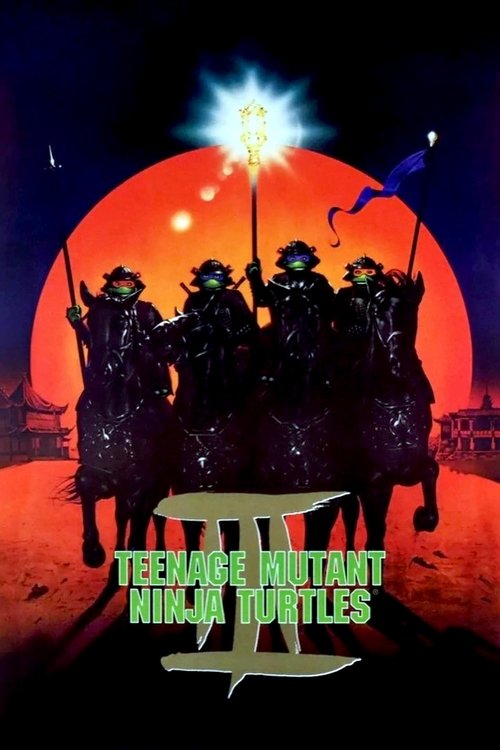
The four turtles travel back in time to the days of the legendary and deadly samurai in ancient Japan, where they train to perfect the art of becoming one. The turtles also assist a small village in an uprising.
1991

2003
1990

2004
2016

2005
2014
1992
No reviews yet. Be the first to share your thoughts on this movie!
Use the rating form above to leave a star rating and optional review.