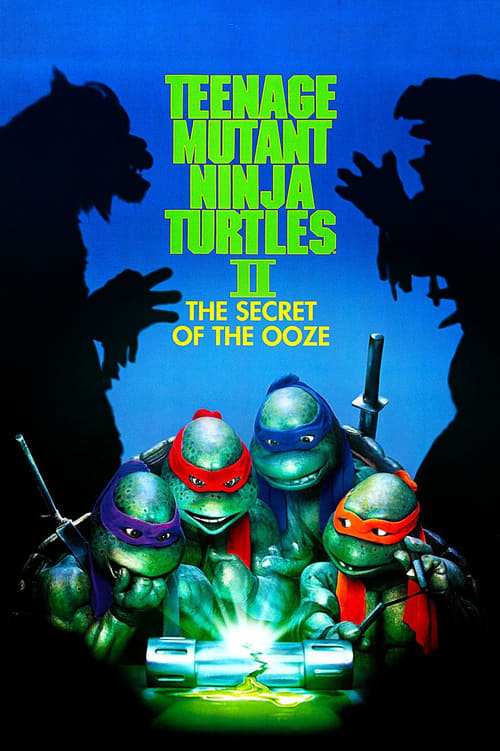
Teenage Mutant Ninja Turtles II: The Secret of the Ooze
1991
No user ratings available yet
Representation score: 2.6 out of 10
Representation Score
Fair
2016
PG-13Director
Dave Green
Runtime
112 minutes
Average Rating
No ratings yetNew Showbiz Analysis
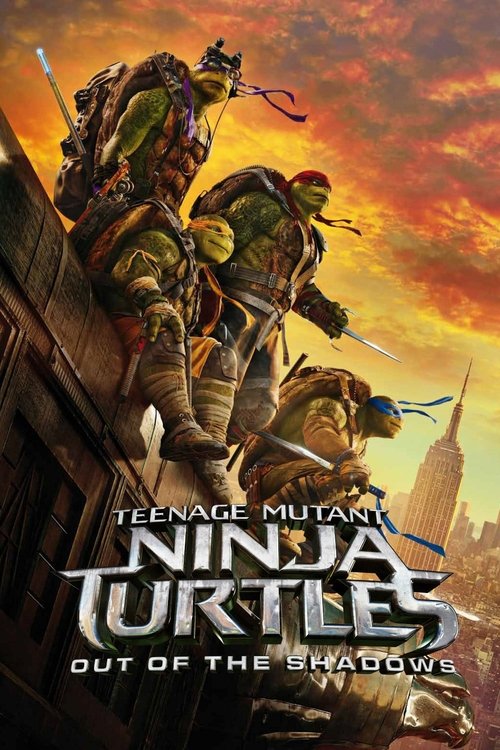
The film is designed as a high-energy genre piece that prioritizes fast-paced action and franchise continuity over social commentary. While it includes a diverse urban cast to avoid a homogeneous white default, it lacks the intention to challenge traditional hierarchies. Representation in the film is mostly superficial. The inclusion of a capable female lead and a multicultural cast provides some diversity, but these elements operate within established cinematic norms rather than subverting them. Ultimately, the narrative centers on the superhero spectacle. It misses opportunities to explore complex themes such as neurodivergence, systemic critique, or queer identity, choosing instead to follow a conventional battle between heroes and villains.
Category Breakdown
The film does not include any LGBTQ+ characters or explore non-straight relationships. The interpersonal relationships focus on traditional social structures without featuring queer identities.
April O'Neil is portrayed as a capable and intelligent main character. However, the film adheres to conventional gender roles where female characters primarily serve as allies to a male-dominated storyline.
The human cast reflects a multicultural New York City, avoiding a homogenous white cast. Diversity is used as a backdrop element of the urban setting rather than a central narrative theme.
The story follows a standard heroic framework without engaging in systemic critique or religious deconstruction. It maintains a clear distinction between heroism and villainy.
The film does not focus on visible or invisible disabilities. Mutant physiology is presented as a source of superhuman abilities without exploring the complexities of lived identity.
Present on Screen
Limited or Absent
Official Synopsis
After supervillain Shredder escapes custody, he joins forces with mad scientist Baxter Stockman and two dimwitted henchmen, Bebop and Rocksteady, to unleash a diabolical plan to take over the world. As the Turtles prepare to take on Shredder and his new crew, they find themselves facing an even greater evil with similar intentions: the notorious Krang.
1991
1993
2014
2005
1990
2018
2003
2003
No reviews yet. Be the first to share your thoughts on this movie!
Use the rating form above to leave a star rating and optional review.