Teenage Mutant Ninja Turtles
1990
No user ratings available yet
Representation score: 4.4 out of 10
Representation Score
Limited
1991
PGDirector
Michael Pressman
Runtime
88 minutes
Average Rating
No ratings yetNew Showbiz Analysis
The film embodies the conventions of early 90s genre filmmaking, emphasizing high-concept adventure and established character archetypes. It centers on the conflict between the Turtles and Shredder over the mutagenic ooze, staying firmly within the realm of fantasy. While the protagonists are positioned as outsiders, this is framed through the lens of superheroism rather than a deliberate challenge to social or political hierarchies. The narrative structure relies on traditional conflict resolution and conventional clichés. Ultimately, the film lacks intentional efforts to disrupt Anglo-centric norms or provide characters who reflect more than one aspect of diversity, functioning instead as a mainstream commercial action-adventure.
Category Breakdown
The film does not include any LGBTQ+ characters or explore non-straight relationships. The interpersonal dynamics center around the brotherhood of the Turtles and their traditional allies.
April O'Neil is portrayed as a proactive journalist and central ally, though her role remains largely supportive. The narrative upholds traditional action-adventure dynamics without challenging gender hierarchies.
The cast is predominantly homogeneous, focusing on anthropomorphic characters and a typical urban supporting cast. The film does not leverage its New York setting to explore diverse ethnic narratives.
The story delves into themes of vigilantism and the ethics of unregulated scientific progress. However, it adheres to a standard hero/villain dichotomy without broader institutional critiques.
Mutation is treated as a sci-fi cliché rather than a nuanced examination of disability. Physical differences are framed as biological anomalies to be managed or weaponized within a fantasy setting.
Present on Screen
Limited or Absent
Official Synopsis
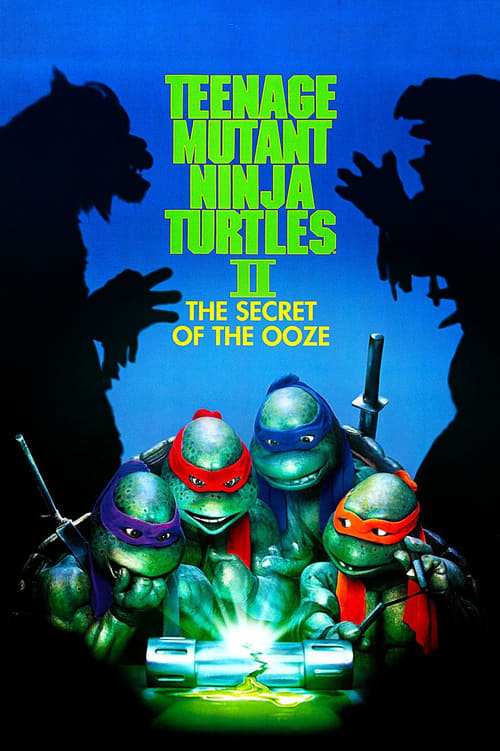
The Turtles and the Shredder battle once again, this time for the last cannister of the ooze that created the Turtles, which Shredder wants to create an army of new mutants. Meanwhile Splinter is coming... to a decision.
1990
1993
2016
2005
2014

2008
2002
1986
No reviews yet. Be the first to share your thoughts on this movie!
Use the rating form above to leave a star rating and optional review.