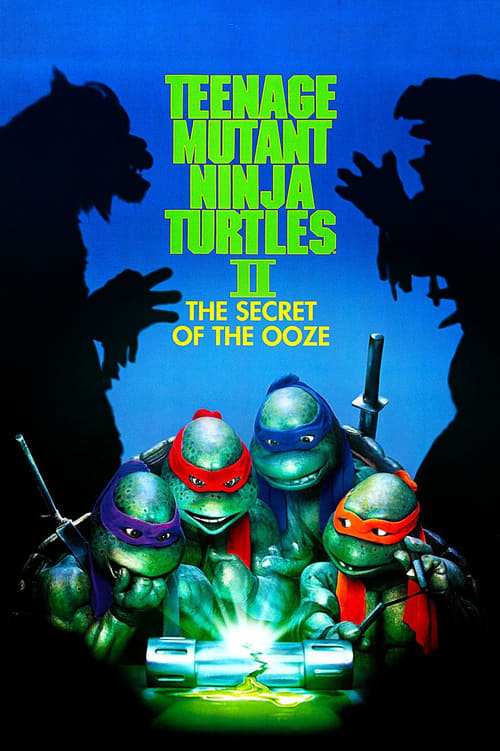
Teenage Mutant Ninja Turtles II: The Secret of the Ooze
1991
No user ratings available yet
Representation score: 2.6 out of 10
Representation Score
Fair
1990
PGDirector
Steve Barron
Runtime
93 minutes
Average Rating
No ratings yetNew Showbiz Analysis
This film operates as a genre piece that employs creature effects to explore the theme of the outsider. While it adheres to conventional moral binaries and a traditional narrative structure, it achieves depth through its metaphorical portrayal of social alienation. The representation is uneven, favoring a male-centric ensemble while offering a capable female character to bridge the gap between the protagonists and society. The use of non-human characters facilitates a nuanced exploration of marginalization.
Category Breakdown
The film does not include any LGBTQ+ characters or explore non-straight relationships. The focus is on platonic friendships and traditional mentorship without any queer undertones.
The story is predominantly male-focused, centered around the turtles and Master Splinter. However, April O'Neil stands out as an independent journalist with significant influence, challenging traditional gender roles.
The anthropomorphic characters represent outsiders and those experiencing social isolation. The New York setting and the turtles' status as biological anomalies serve as metaphors for societal exclusion.
The narrative follows a classic hero/villain structure and upholds Western justice ideals. It emphasizes martial hierarchy without questioning institutional roles.
The mutants' unique physical traits mirror the experience of living in a world not designed for them. The film highlights their competence despite being labeled as monsters.
Present on Screen
Limited or Absent
Official Synopsis
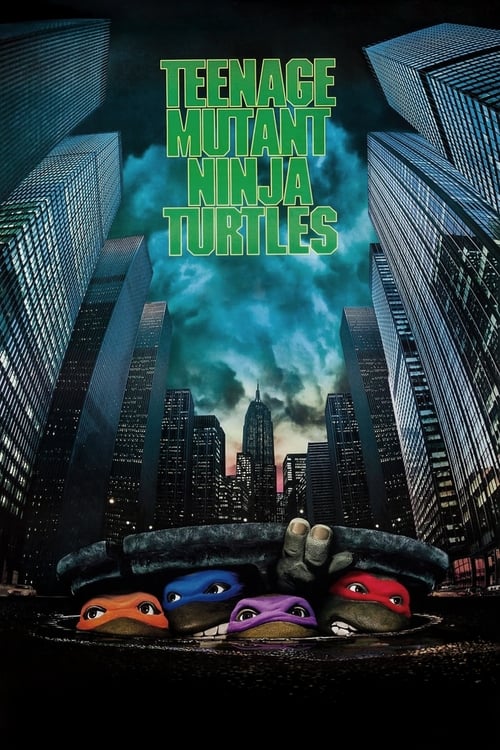
A quartet of humanoid turtles, trained by their mentor in Ninjutsu, must learn to work together to face the menace of Shredder and the Foot Clan.
1991
1993
2016
1992
2014
2018
2002
2005
No reviews yet. Be the first to share your thoughts on this movie!
Use the rating form above to leave a star rating and optional review.