
Rosewood Lane
2011
No user ratings available yet
Representation score: 3.6 out of 10
Representation Score
Limited
2024
TV-MADirector
Michael Feifer
Runtime
98 minutes
Average Rating
No ratings yetNew Showbiz Analysis
The film presents a white, suburban environment where a teenage boy becomes entangled with a new neighbor. Gacy is portrayed as a charming but controlling figure who exploits Bobby’s trust. The narrative focuses on the breakdown of this domestic arrangement and the eventual police intervention. The cast is entirely white, reflecting the specific historical and geographic setting. Women appear in supporting roles, such as Bobby’s mother, who expresses concern but does not drive the central conflict. The story treats traditional family structures as fragile, easily manipulated by a charismatic outsider. There is no representation of LGBTQ+ identities beyond Gacy’s predatory behavior toward boys. Disability is absent from the character dynamics. The film presents a conventional true-crime narrative focused on individual pathology and suburban safety.
Category Breakdown
Gacy’s attraction to young men drives the plot as a predatory motive. No same-sex romance or queer community is depicted. The focus remains on criminal behavior rather than identity.
Men dominate the narrative, with Gacy as the charismatic authority figure. Bobby is a compliant, impressionable teen. Women appear as supportive mothers or concerned neighbors without narrative power.
The cast and setting are exclusively white. No non-white characters appear in the provided credits or synopsis. The environment reflects a specific historical and geographic context.
Suburban family life forms the backdrop, but parental authority is undermined by Gacy’s manipulation. Police intervention is shown as necessary but reactive. Traditional family structures are portrayed as fragile.
No characters with ongoing disabilities are depicted. Physical restraint is used by the antagonist, not as a life condition. Disability is absent from the character dynamics.
Present on Screen
Limited or Absent
Official Synopsis
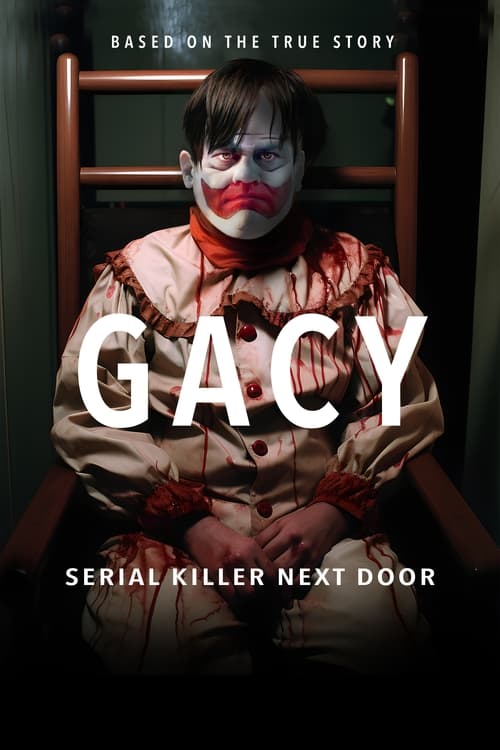
A teenager's life in a quiet suburb changes drastically when John Wayne Gacy, a famed serial killer, becomes his neighbor. His curiosity leads to dark secrets and a frightening journey from innocence to a dire clash with evil.
2011
1974

2008

1986
2009

2017

2009

2007
No reviews yet. Be the first to share your thoughts on this movie!
Use the rating form above to leave a star rating and optional review.