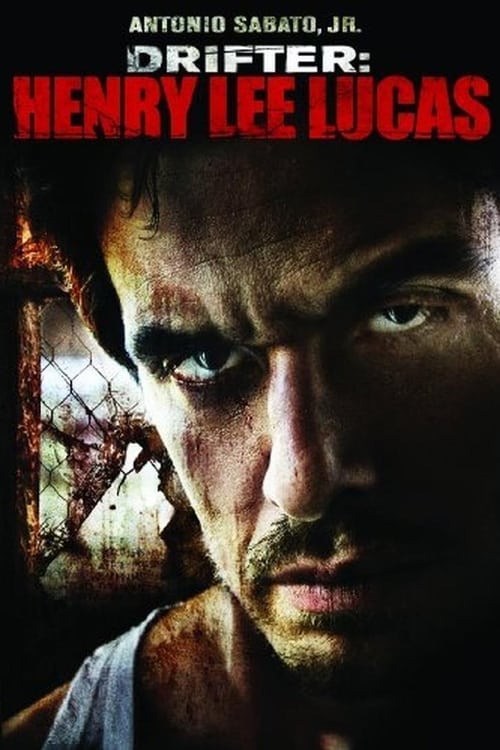
Drifter: Henry Lee Lucas
2009
No user ratings available yet
Representation score: 0.6 out of 10

Representation Score
Minimal
2008
RDirector
Michael Feifer
Runtime
90 minutes
Average Rating
No ratings yetNew Showbiz Analysis
B.T.K. is a biographical crime thriller that delves into the psychological profile of Dennis Rader and the mechanics of his crimes. The narrative structure depends on the contrast between the killer's public persona and his private life. Given its focus on a specific historical case in the American Midwest, the film leans heavily on conventional Western social hierarchies. It highlights the killer's domestic and religious standing without exploring underrepresented identities. Overall, the film operates as a traditional true-crime drama. It does not provide characters who reflect more than one aspect of diversity and instead portrays a perpetrator embedded within standard social institutions like the family and the church.
Category Breakdown
The film does not include any LGBTQ+ characters or non-cisgender identities. It focuses solely on a serial killer within a traditional family setting.
The story emphasizes traditional gender roles, depicting the killer as a husband and father. It reinforces conventional gender hierarchies without challenging or expanding female roles.
The film seems to portray a homogeneous society centered around Western demographics. There is no indication of a diverse or non-Anglo-Saxon majority cast.
The narrative uses religious and familial institutions, such as a church leadership, as a backdrop for social stability. It adheres to conventional social structures without questioning them.
There is no information about characters with physical or neurodivergent disabilities.
Present on Screen
Limited or Absent
Official Synopsis
A story based on real-life serial killer Dennis L. Rader, who systematically tortured and killed his victims for over two decades and evaded the police for over 30 years, all while leading a seemingly normal life as a husband, father, security officer and church president.
2009

2010

2008
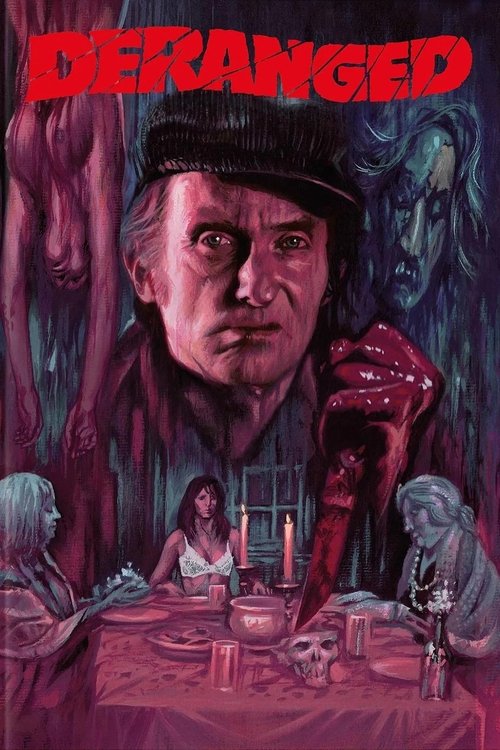
1974
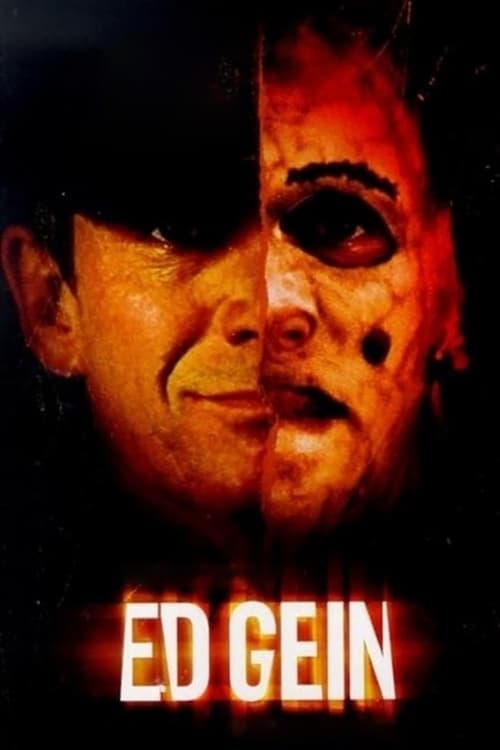
2000

2005
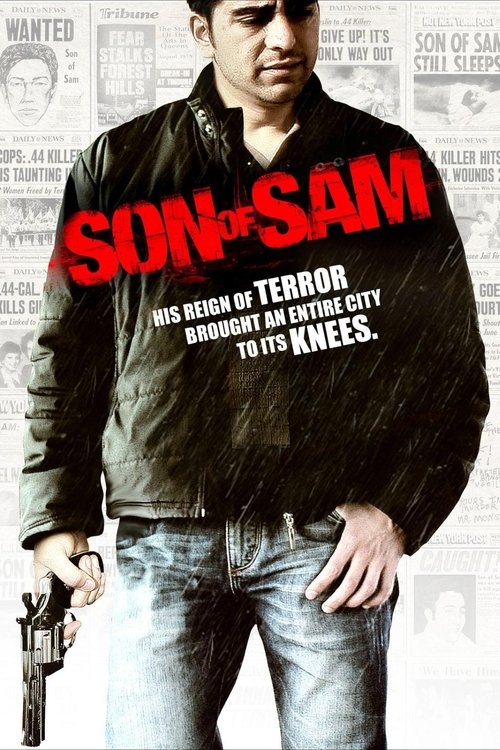
2008
2017
No reviews yet. Be the first to share your thoughts on this movie!
Use the rating form above to leave a star rating and optional review.