
That Night of November
2017
No user ratings available yet
Diversity score: 7.1 out of 10

2012
Not RatedDirector
David Trueba
Runtime
104 minutes
Average Rating
No ratings yetSynopsis
In 1987 Madrid, the unexpected encounter between a seasoned journalist and a young student leads to a profound exploration of love, desire, politics, power, and discovery of each other.
Overall Score
Good
Category Breakdown
LGBTQ+ Representation
The film centers non-heteronormative identities by utilizing the Movida Madrileña setting. Queer perspectives are integrated into the social fabric rather than relegated to subplots, offering a sophisticated portrayal of identity discovery.
Gender Representation
Female characters possess significant agency in their romantic and social pursuits. The narrative disrupts traditional Spanish gender hierarchies by favoring autonomous portrayals of femininity over historically submissive roles.
Racial & Ethnic Diversity
The cast is predominantly homogeneous, reflecting the specific demographic reality of 1987 Madrid. There is a lack of non-white or diverse ethnic representation within the urban social scene depicted.
Religious & Cultural Diversity
The story highlights the secularization of Spanish society and the declining influence of the Catholic Church. It frames hedonism and the disregard for conservative authority as essential to cultural liberation.
Disability Representation
There is no evidence provided regarding the depiction of visible or invisible disabilities in this work.
Strengths
Areas for Improvement
AI Analysis
Madrid, 1987 is a character-driven study of identity and liberation during a period of intense social transition. It excels at dismantling traditional hierarchies, particularly regarding religious authority and gendered expectations. By centering the era's shifting social mores, the film provides a nuanced look at personal freedom. However, the film's historical focus results in a lack of racial and ethnic diversity. While this reflects the era's demographic reality, it limits the visual and cultural breadth of the cast. The narrative remains largely centered on a homogeneous social landscape. Ultimately, the film's strength lies in its intentional subversion of conservative norms. It successfully portrays the breakdown of old social structures as a necessary evolution of the human experience.
2017

1980
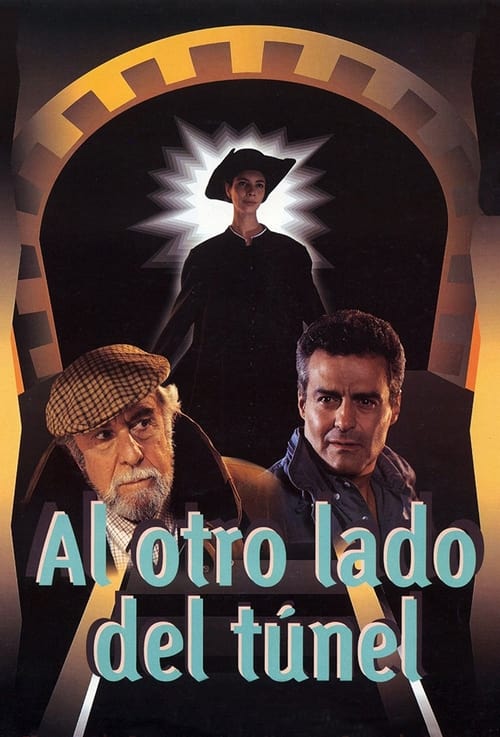
1994

2014

2008

2025
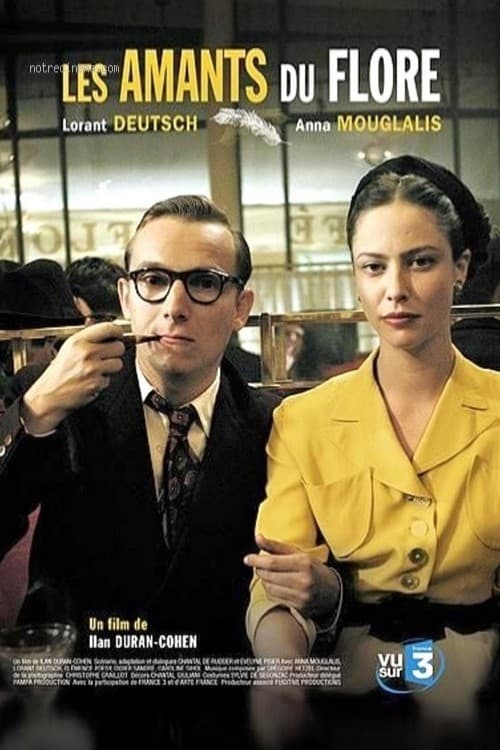
2006
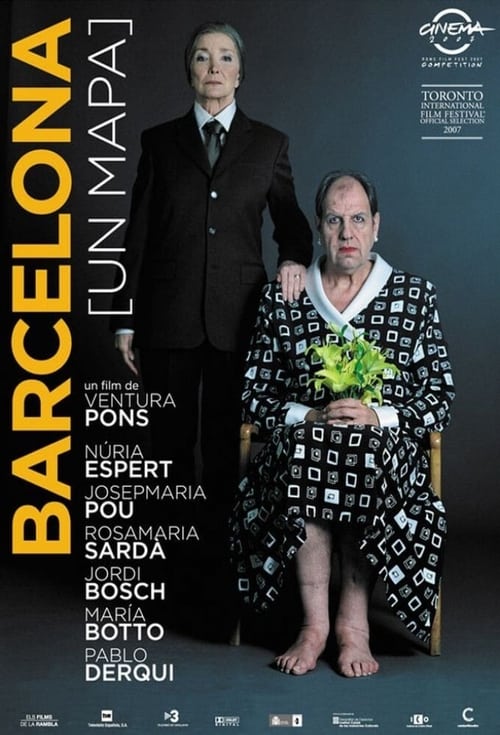
2007
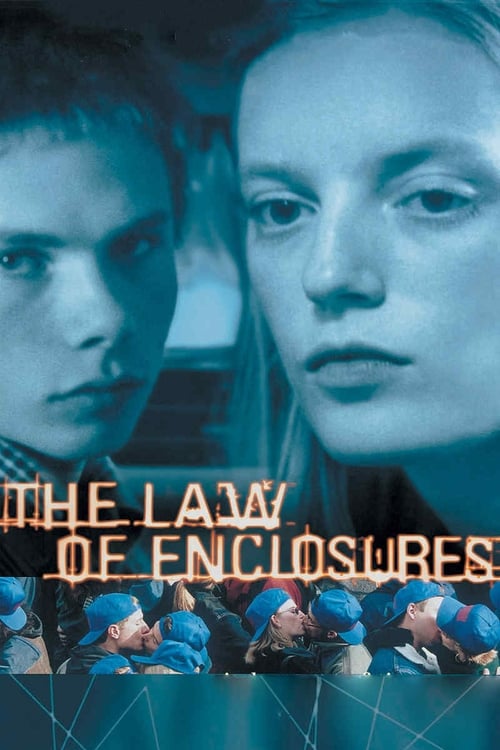
2000
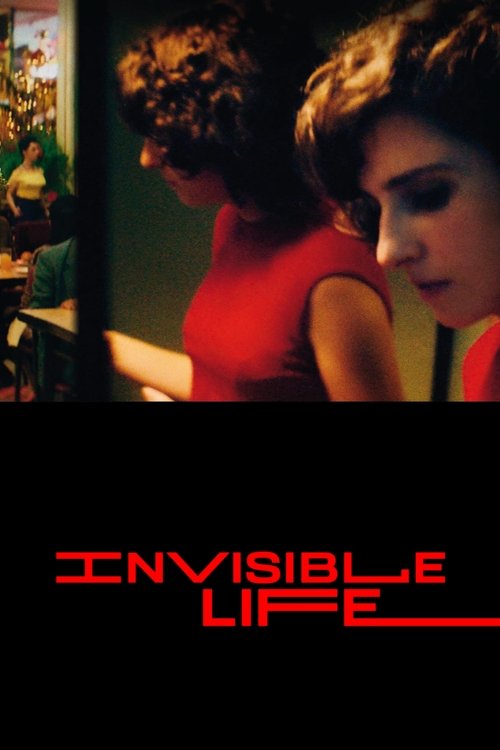
2019

1978

2000
No reviews yet. Be the first to share your thoughts on this movie!
Use the rating form above to leave a star rating and optional review.