
The Stilts
1984
No user ratings available yet
Diversity score: 3.7 out of 10
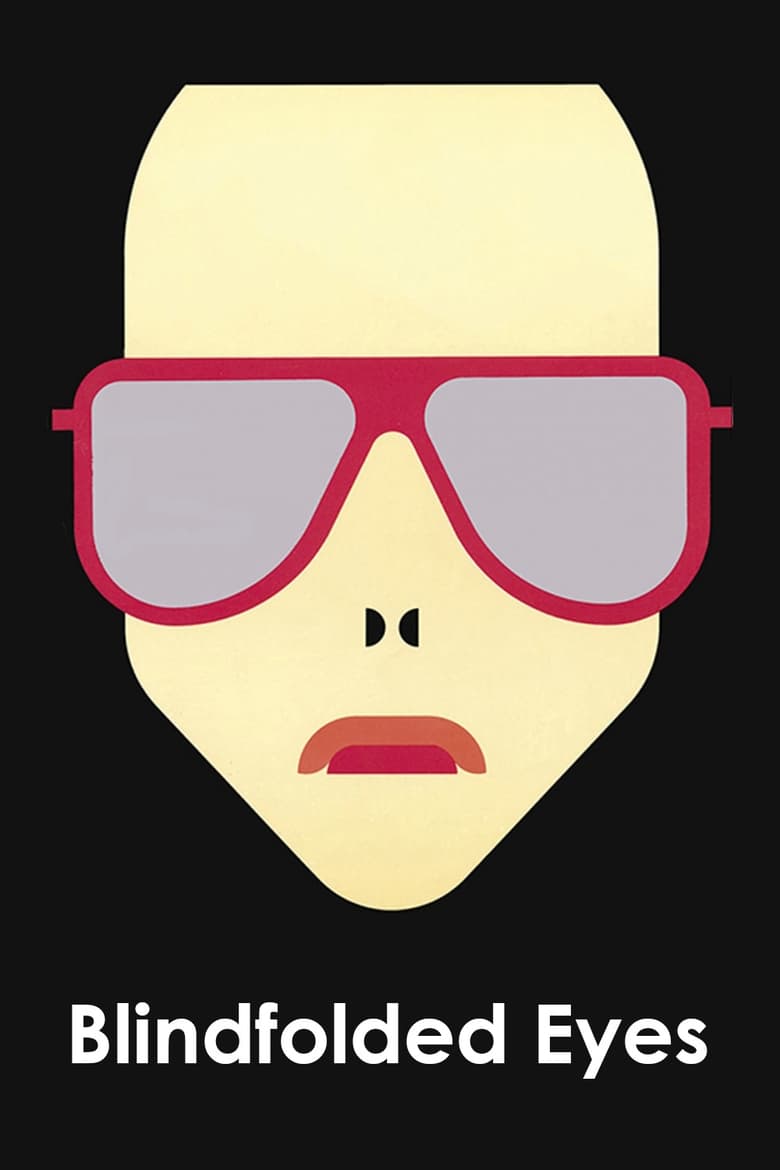
1978
Director
Carlos Saura
Runtime
110 minutes
Average Rating
No ratings yetSynopsis
A drama teacher casts a woman in a play about torture, and the two eventually become lovers. As production of the play develops, the director begins to receive threatening letters.
Overall Score
Fair
Category Breakdown
LGBTQ+ Representation
The film explores unconventional interpersonal dynamics and the transgression of professional boundaries. While queer identities are not explicitly confirmed, the narrative moves away from traditional romantic archetypes.
Gender Representation
A female protagonist drives the plot through her involvement in a provocative theatrical production. This shifts agency, making her a central participant in a high-stakes psychological exploration.
Racial & Ethnic Diversity
The cast reflects the demographic homogeneity typical of 1978 European cinema. There is no evidence of significant racial or ethnic blending within the production.
Religious & Cultural Diversity
The narrative critiques systemic oppression and institutionalized violence through a play about torture. It prioritizes individual psychological truth over state or institutional stability.
Disability Representation
There is no documented evidence regarding the portrayal of physical or neurodivergent disabilities in this film.
Strengths
Areas for Improvement
AI Analysis
Blindfolded Eyes functions as a psychological drama that examines the intersection of art, power, and intimacy. By centering a production about torture, the film engages deeply with themes of systemic violence and the psychological impact of institutionalized cruelty. The film succeeds in its thematic deconstruction of authority and its critique of social control. It uses the tension of anonymous threats to explore the instability caused by external oppression. However, the film is limited by the demographic homogeneity of its era. It lacks significant racial diversity and provides no visible representation of disability, focusing instead on a narrow psychological landscape.
1984
1976
1975

2005
1977

1966
1978

1992

1969

1998

1975
1974
No reviews yet. Be the first to share your thoughts on this movie!
Use the rating form above to leave a star rating and optional review.