
Wer's glaubt wird selig
2012
No user ratings available yet
Representation score: 0.4 out of 10
Representation Score
Minimal
2015
Director
Alessandro Siani
Runtime
105 minutes
Average Rating
No ratings yetNew Showbiz Analysis
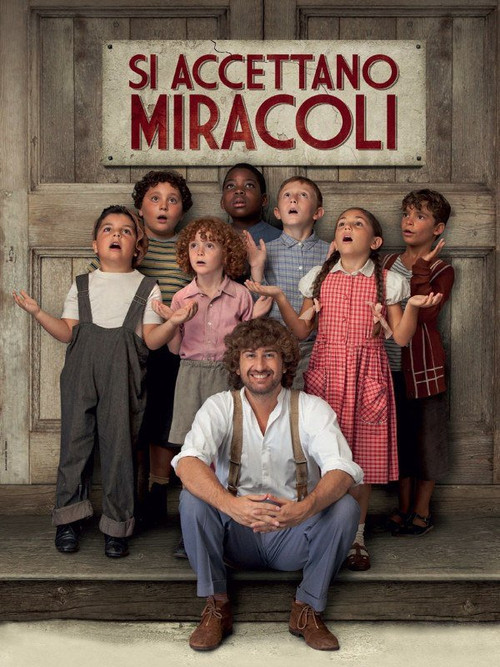
We Accept Miracles adheres to a rigid conservative framework that reinforces established social hierarchies. The narrative structure supports the status quo, viewing institutional religion and traditional family structures as the main sources of stability and salvation. There is no characters who reflect more than one aspect of diversity or subversion of gender dynamics. The film’s appeal lies in its adherence to familiar comedic formulas and its affirmation of religious traditions. It does not challenge social norms or promote diversity, instead offering a culturally specific comedy that upholds traditional values. The absence of progressive commentary or diverse perspectives results in a low overall score. From a viewer's perspective, the work feels unremarkable regarding representation. It lacks the critical depth or inclusive casting necessary to engage with modern diversity standards. The story remains firmly rooted in local Catholic tradition, excluding broader multicultural or post-colonial viewpoints.
Category Breakdown
The film portrays a world where all characters are heterosexual, with no representation of LGBTQ+ identities. This results in a complete lack of queer presence or subtext.
Male characters drive the plot, while female characters play supporting roles that emphasize nurturing and domestic duties. The film does not challenge traditional gender roles or provide subversive representations of femininity and masculinity.
The cast is entirely white and Italian, reflecting the local demographic without offering multicultural perspectives. The narrative assumes a homogeneous white and Catholic background, lacking opportunities for diverse casting or storylines.
The plot emphasizes the importance of religious faith and traditional family structures, presenting them as essential for survival. It portrays the church and Western institutions as positive forces, aligning with conservative values without critique.
Characters with disabilities are not portrayed with depth or ability to act. The film overlooks meaningful engagement with disability, potentially using physical limitations only for comedic effect or plot convenience.
Present on Screen
Limited or Absent
Official Synopsis
Fired from his HR job in the big city, Fulvio returns home and sees a leaky pipe in his brother's church as the way to save the crumbling town.
2012

2015
2018
2015

2022
2018
1983
2022
No reviews yet. Be the first to share your thoughts on this movie!
Use the rating form above to leave a star rating and optional review.