
Days of Wine and Roses
1958
No user ratings available yet
Representation score: 3.8 out of 10
Representation Score
Fair
1995
Director
Tom Toelle
Runtime
99 minutes
Average Rating
No ratings yetNew Showbiz Analysis
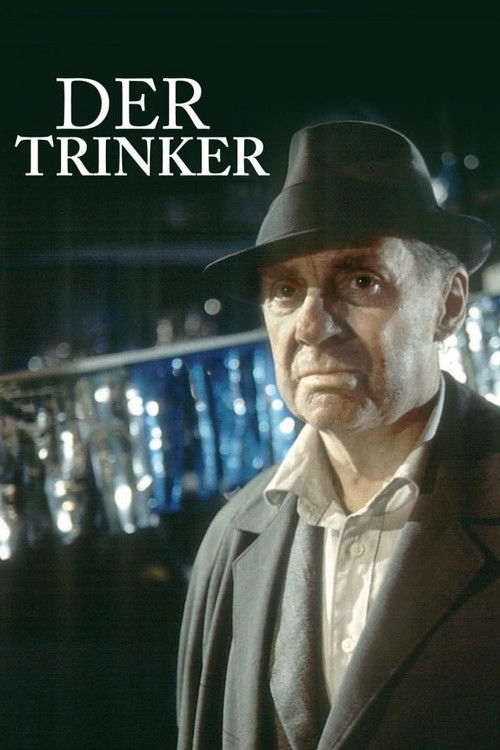
Der Trinker is a traditional character study grounded in literary realism. It focuses on the psychological journey of a single individual rather than modern diversity issues. The film critiques the failures of bourgeois society through the lens of addiction. While it offers a critical perspective on social norms, it remains tied to the demographic and social context of its time. Overall, the work serves as a period-specific drama. It lacks the intentional focus on contemporary diversity, concentrating instead on personal and systemic flaws.
Category Breakdown
The film centers on a male protagonist's struggle with addiction. There are no queer narratives or representations of non-straight identities.
The narrative follows mid-20th-century social dynamics. It centers on a male protagonist navigating traditional social roles, reinforcing patriarchal hierarchies.
The setting reflects the demographic homogeneity of the era. There is no indication of a multi-ethnic cast or diverse racial representation.
The film critiques the stability and institutions of the middle class. It presents a skeptical view of traditional social norms and structures.
The film explores alcoholism as a psychological issue. However, it treats the condition more as a character flaw than a nuanced disability.
Present on Screen
Limited or Absent
Official Synopsis
Hans Fallada tells in his published after the war novel "The drinker" the story of the agricultural wholesaler Erwin Sommer, who flees from his narrow bourgeois relations under the burdens of the new times in the kingdom of the king alcohol, whose liberty and independence promises prove a lie - the only truth of the alcohol. On behalf of the WDR television play Ulrich Plenzdorf has adapted Fallada's 1944/45 novel for a film adaptation by Tom Toelle with Harald Juhnke in the main role of Erwin Sommer.
1958
1945

1975
1984

2002

1977

1986
1982
No reviews yet. Be the first to share your thoughts on this movie!
Use the rating form above to leave a star rating and optional review.