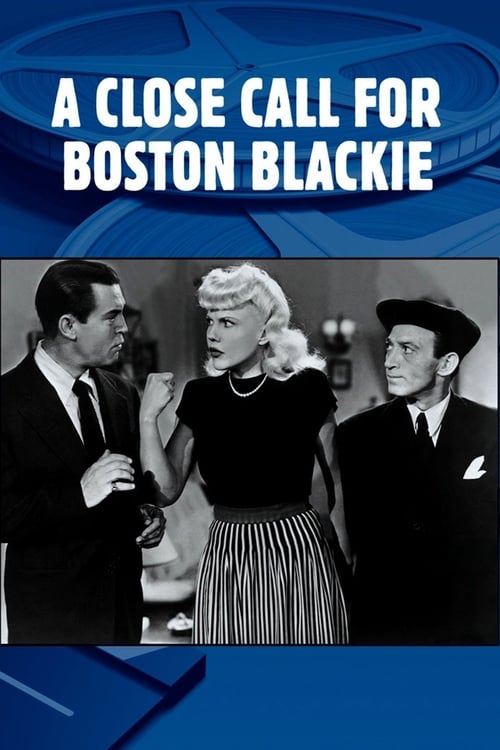
A Close Call for Boston Blackie
1946
No user ratings available yet
Diversity score: 1.4 out of 10

1945
NRDirector
Lew Landers
Runtime
66 minutes
Average Rating
No ratings yetSynopsis
A woman uses a deck of cards to predict death within 24 hours for a stranger sitting at a bar, then tries to help him remember who he is based on items in his pockets.
Overall Score
Limited
Category Breakdown
LGBTQ+ Representation
The film lacks any indication of LGBTQ+ characters or narratives. Given the 1945 production year, the story likely adheres to the era's restrictive censorship regarding non-cisnormative identities.
Gender Representation
A female protagonist holds a position of intuitive power through her card readings. However, this agency likely fits within established 1940s tropes like the mystic or femme fatale.
Racial & Ethnic Diversity
The narrative focuses on a singular interaction between a woman and a stranger. This suggests a homogeneous cast typical of mid-century studio filmmaking.
Religious & Cultural Diversity
The film follows a standard mystery structure without challenging the status quo. It emphasizes traditional justice and social certainties rather than systemic or secularist critique.
Disability Representation
There is no information available regarding the inclusion of characters with physical or neurodivergent disabilities.
Strengths
Areas for Improvement
AI Analysis
The Power of the Whistler is a product of the 1945 studio system, functioning as a traditional genre piece. It prioritizes conventional morality and established social hierarchies over any intentional subversion of identity or power. The film's narrative architecture reflects the era's cinematic constraints. It lacks the diversity required to disrupt mid-century social norms, focusing instead on standard mystery tropes and archetypes. While the female lead possesses a unique psychological role, the film remains rooted in the period's restrictive frameworks regarding race, gender, and sexuality.
1946
1948
1943
1944
1941
1940
1953

1945
1946
1933
1933
1949
No reviews yet. Be the first to share your thoughts on this movie!
Use the rating form above to leave a star rating and optional review.