Barbaric Land
2013
No user ratings available yet
Representation score: 6.8 out of 10
Representation Score
Fair
1971
UnratedDirector
Gualtiero Jacopetti, Franco Prosperi
Runtime
123 minutes
Average Rating
No ratings yetNew Showbiz Analysis
Goodbye Uncle Tom operates as an ethnographic spectacle within the Mondo film tradition. It achieves visual diversity by centering non-Western cultures and challenging the moral dominance of Western religious standards. However, the film fails to provide meaningful ability to act to its subjects. The narrative structure relies on the 'othering' of underrepresented groups to drive a preoccupation with mortality and shock. Ultimately, the work is characterized by observational distance rather than a deliberate attempt to dismantle systemic hierarchies or provide complex, self-determined perspectives.
Category Breakdown
The film does not focus on non-binary or LGBTQ+ identities and lacks any depiction of same-sex relationships. Instead, it highlights cultural practices without addressing these identities.
The film depicts men and women participating in cultural rituals, but these portrayals are primarily observational. There is no deep exploration of female intellect or traditional masculinity.
The film extensively features non-Western and indigenous populations, especially in Africa and the Americas. However, these cultures are often presented through a Western perspective that emphasizes their exotic nature.
The film showcases various global religious practices without explicitly condemning them from a Western moral standpoint. It contrasts traditional societies with modernity to criticize Western institutions.
There is no intentional representation of neurodivergence or physical disabilities. Depictions of impairments are used to create ethnographic shock.
Present on Screen
Limited or Absent
Official Synopsis
Two documentary filmmakers go back in time to the pre-Civil War American South, to film the slave trade.
2013
1915
2012
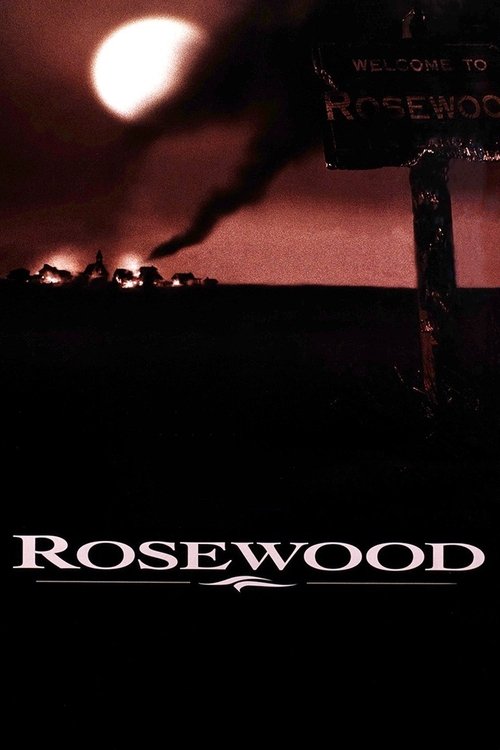
1997
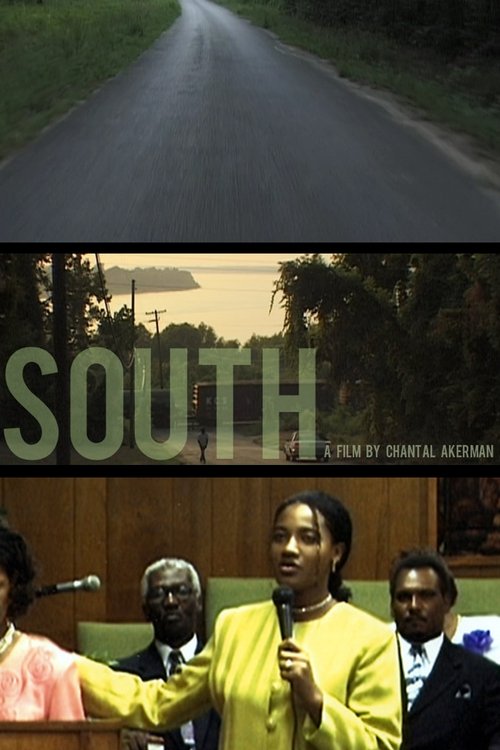
1999
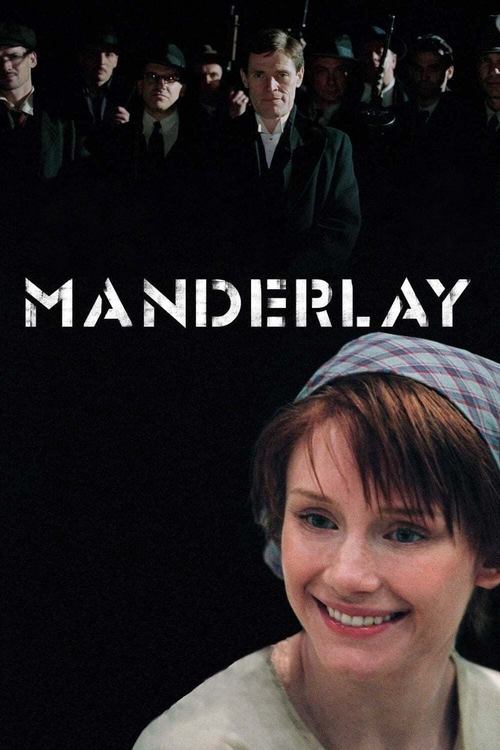
2005
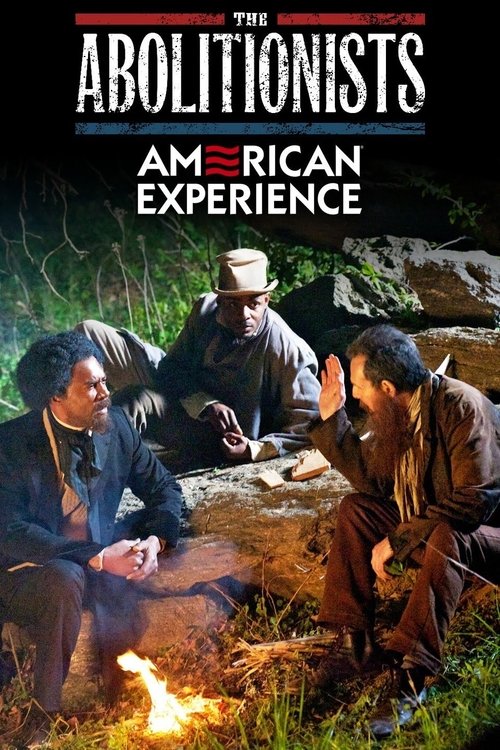
2013
2012
No reviews yet. Be the first to share your thoughts on this movie!
Use the rating form above to leave a star rating and optional review.