The Murder of Emmett Till
2003
No user ratings available yet
Representation score: 4.9 out of 10
Representation Score
Limited
1999
Director
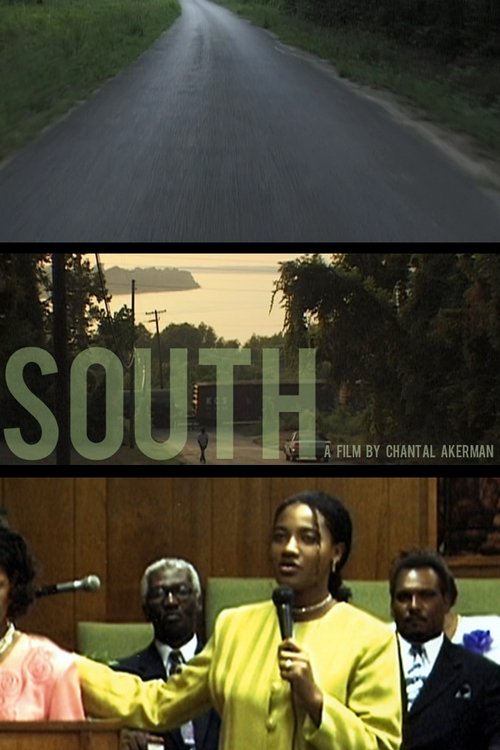
Chantal Akerman
Runtime
71 minutes
Average Rating
No ratings yetNew Showbiz Analysis
South is a meditative essay film that prioritizes landscape and historical trauma over traditional character arcs. It functions as a deconstruction of the cinematic gaze, using stillness to address the weight of systemic violence. While the film lacks explicit representation for LGBTQ+ and disability categories, it engages deeply with racial history. The focus on a Texas lynching provides a profound, non-traditional investigation of systemic inequality. Ultimately, the score reflects the film's non-narrative documentary structure. The absence of character-driven ability to act limits categorical scores despite the significant intellectual focus on historical injustice.
Category Breakdown
The film does not include explicit engagement with LGBTQ+ themes or intimacy. It lacks character-driven narratives or depictions of non-straight relationships.
Chantal Akerman’s feminist directorial background provides a distinct female perspective. The film challenges traditional male-centric voyeurism by rejecting standard documentary power structures.
The film centers on the legacy of racial violence and a 1998 lynching in Texas. It uses the landscape to highlight systemic historical injustice.
The work critiques Western consumerist media through a meditative, non-linear approach. It confronts historical erasure and the complexities of memory rather than celebrating progress.
There are no specific portrayals or character studies regarding physical, neurodivergent, or mental health conditions within this observational framework.
Present on Screen
Limited or Absent
Official Synopsis
Chantal Akerman investigates the American Deep South through the story of a lynching and grisly murder of an African-American man that took place in Texas in 1998.
2003

2015

2015

2012
2005

2002

2017

2011
No reviews yet. Be the first to share your thoughts on this movie!
Use the rating form above to leave a star rating and optional review.