Slavery by Another Name
2012
No user ratings available yet
Representation score: 4.5 out of 10

Representation Score
Limited
2013
TV-PGDirector
Rob Rapley
Runtime
162 minutes
Average Rating
No ratings yetNew Showbiz Analysis
The Abolitionists opens with the stark reality of the pre-Civil War political landscape, where the fight to eliminate slavery was as much a battle of ideas as it was of arms. Directed by Rob Rapley, this 2013 documentary presents a clean, moralistic argument: that the abolitionist movement was driven by a convergence of religious conviction and republican principle to correct a national sin. The film’s pictures like the righteous white reformer and the dignified Black freedom fighter, treating both as essential to the narrative’s moral weight. It does not shy away from the brutality of the institution, but it frames the solution through the lens of established Western institutions—church and state—recanting their complicity. The sold meaning is one of historical redemption, where the system eventually corrects its own error. However, the film’s internal logic pulls apart when it presents these institutions as both the source of the moral imperative and the beneficiaries of the status quo. The last image settles on a note of historical inevitability, suggesting that moral clarity was the primary driver of change, rather than the complex, often violent, social upheaval that actually occurred. It is a respectful, if somewhat sanitized, account that prioritizes moral clarity over the messy, contradictory reality of the era.
Category Breakdown
No queer characters or identity discussions appear in this historical overview. The narrative focuses exclusively on abolitionist activism without addressing sexual orientation.
Women like Harriet Tubman appear as moral authorities, but the documentary centers male political leaders. Female agency is framed through moral witness rather than structural power.
Black freedom fighters and white abolitionists share the screen as co-protagonists, with Black agency driving the narrative. The film treats racial hierarchy as the primary antagonist.
The documentary frames Christian moralism and republican ideals as tools for dismantling slavery. It critiques the hypocrisy of a nation founded on liberty while practicing bondage.
No disabled characters, impairments, or accessibility issues are depicted or discussed. The historical focus on political and racial struggle leaves no room for disability narratives.
Present on Screen
Limited or Absent
Official Synopsis
The stories of the major figures of the pre-American Civil War political movement to eliminate slavery.
2012
2012
2010
2012
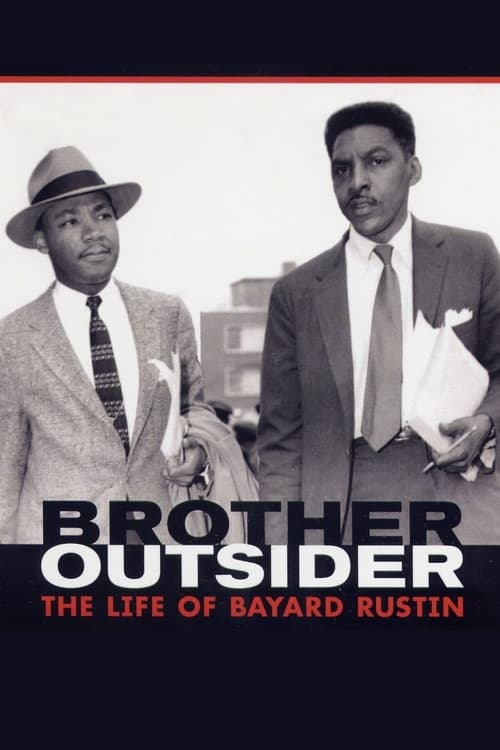
2003
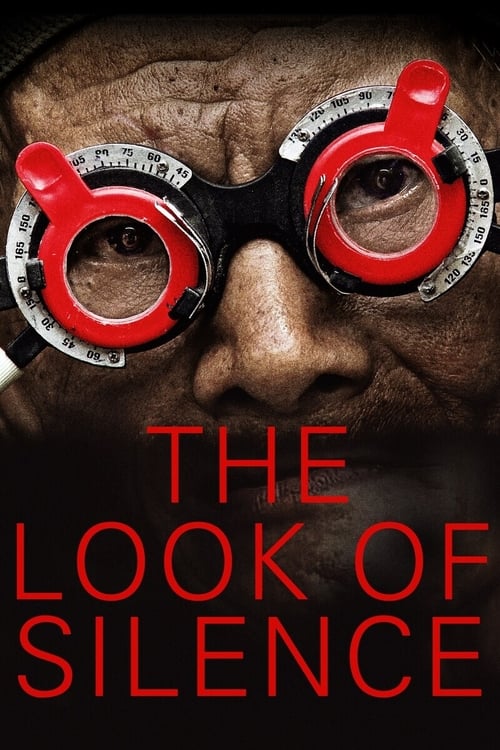
2014

1988
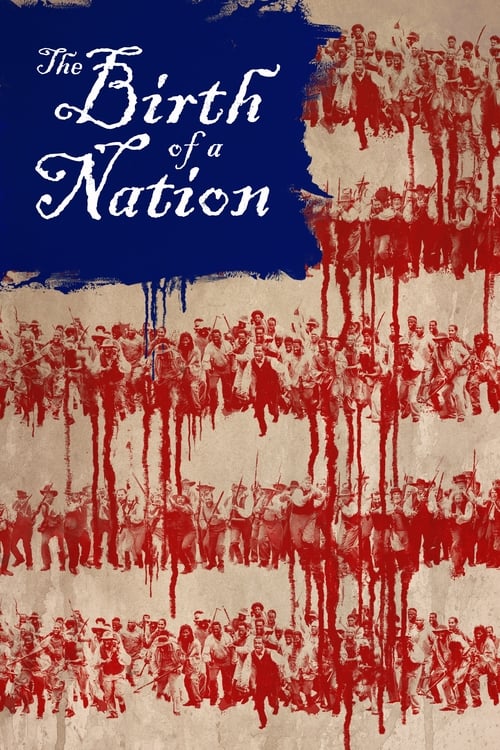
2016
No reviews yet. Be the first to share your thoughts on this movie!
Use the rating form above to leave a star rating and optional review.